


A review on bioadhesive buccal drug delivery systems: current status of formulation and evaluation methods
- PMID: 23008684
- PMCID: PMC3436075
A review on bioadhesive buccal drug delivery systems: current status of formulation and evaluation methods
Abstract
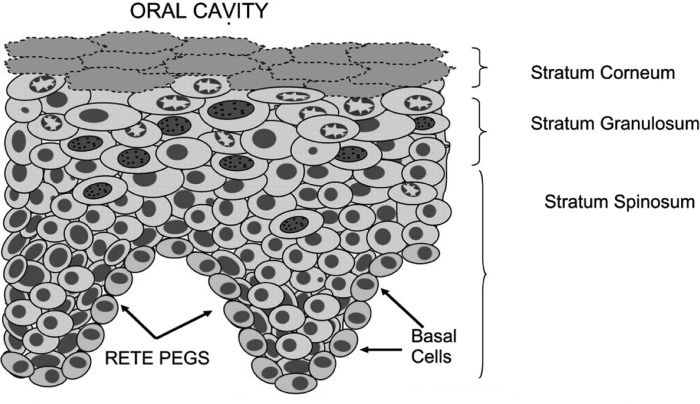
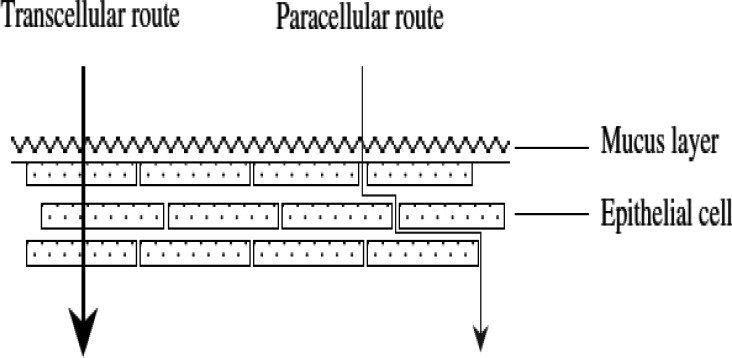
Owing to the ease of the administration, the oral cavity is an attractive site for the delivery of drugs. Through this route it is possible to realize mucosal (local effect) and transmucosal (systemic effect) drug administration. In the first case, the aim is to achieve a site-specific release of the drug on the mucosa, whereas the second case involves drug absorption through the mucosal barrier to reach the systemic circulation. The main obstacles that drugs meet when administered via the buccal route derive from the limited absorption area and the barrier properties of the mucosa. The effective physiological removal mechanisms of the oral cavity that take the formulation away from the absorption site are the other obstacles that have to be considered. The strategies studied to overcome such obstacles include the employment of new materials that, possibly, combine mucoadhesive, enzyme inhibitory and penetration enhancer properties and the design of innovative drug delivery systems which, besides improving patient compliance, favor a more intimate contact of the drug with the absorption mucosa. This presents a brief description of advantages and limitations of buccal drug delivery and the anatomical structure of oral mucosa, mechanisms of drug permeation followed by current formulation design in line with developments in buccal delivery systems and methodology in evaluating buccal formulations.
Keywords: Buccal delivery; Formulation design; Mucoadhesive polymers; Permeation enhancers.
Figures
References
-
- Harris D, Robinson JR. Drug delivery via the mucous membranes of the oral cavity. J. Pharm. Sci. 1992;81:1–10. - PubMed
-
- Shojaei AH, Chang RK, Guo X. Systemic drug delivery via the buccal mucosal route. J. Pharm. Technol. 2001;25(6):70–81.
-
- Rojanasakul Y, Wang LY, Bhat M, Glover DD, Malanga CJ, Ma JKH. The transport barrier of epithelia: a comparative study on membrane permeability and charge selectivity in the rabbit. Pharm. Res. 1992;9:1029–1034. - PubMed
-
- Gandhi RB, Robinson JR. Oral cavity as a site for bioadhesive drug delivery. Adv. Drug Deliv.Rev. 1994;13:43–74.
-
- Collins LMC, Dawes C. The surface area of the adult human mouth and thickness of the salivary film covering the teeth and oral mucosa. J. Dent. Res. 1987;66:1300–1302. - PubMed
LinkOut - more resources
Full Text Sources
Other Literature Sources