


Kisspeptin prevention of amyloid-β peptide neurotoxicity in vitro
- PMID: 23019497
- PMCID: PMC3447396
- DOI: 10.1021/cn300045d
Kisspeptin prevention of amyloid-β peptide neurotoxicity in vitro
Abstract
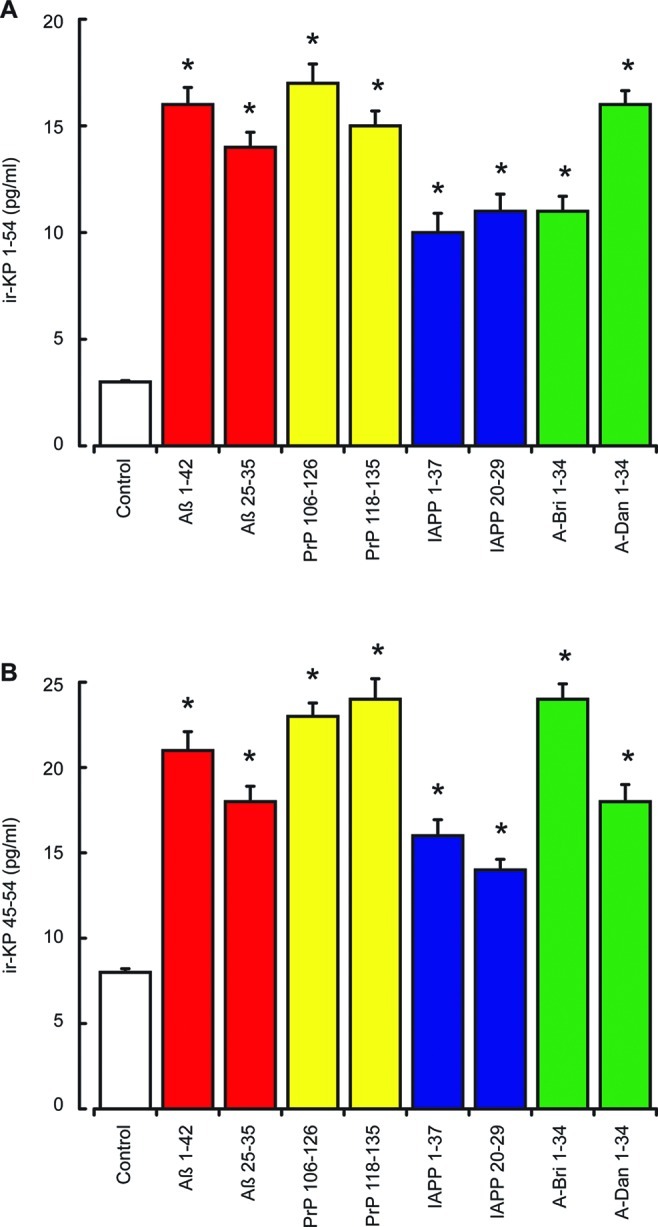
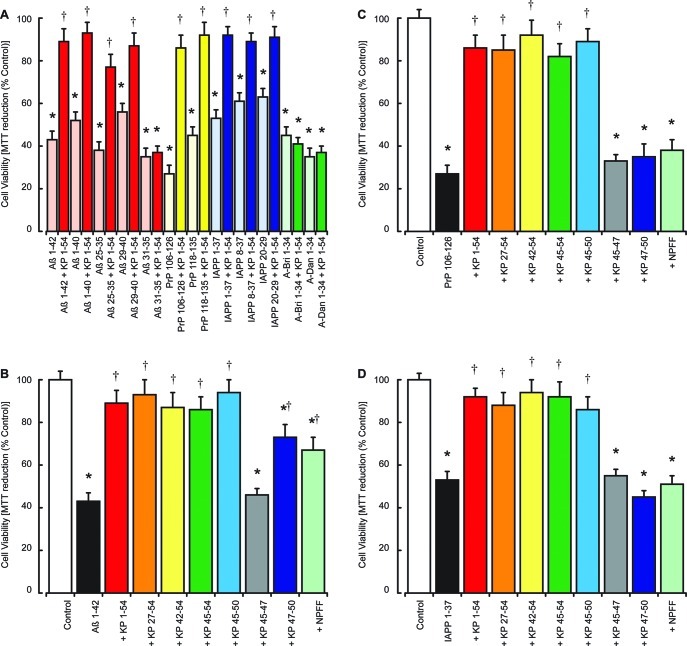
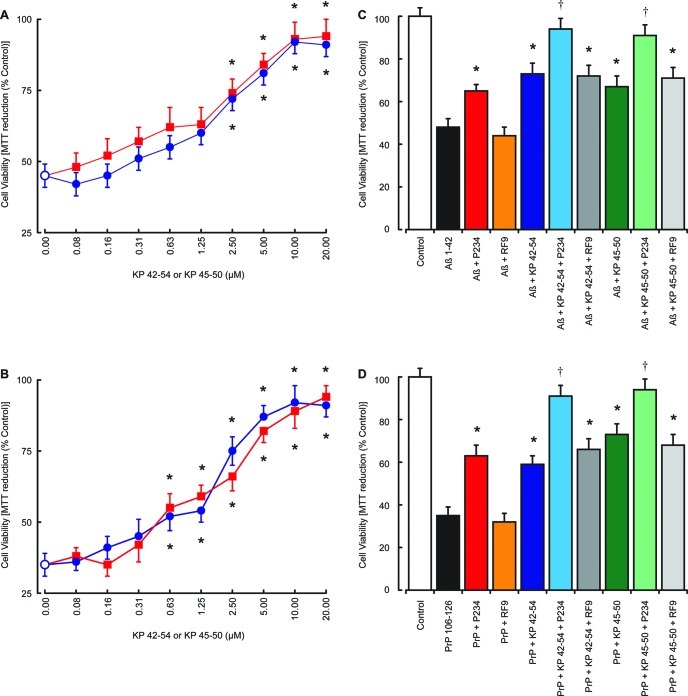
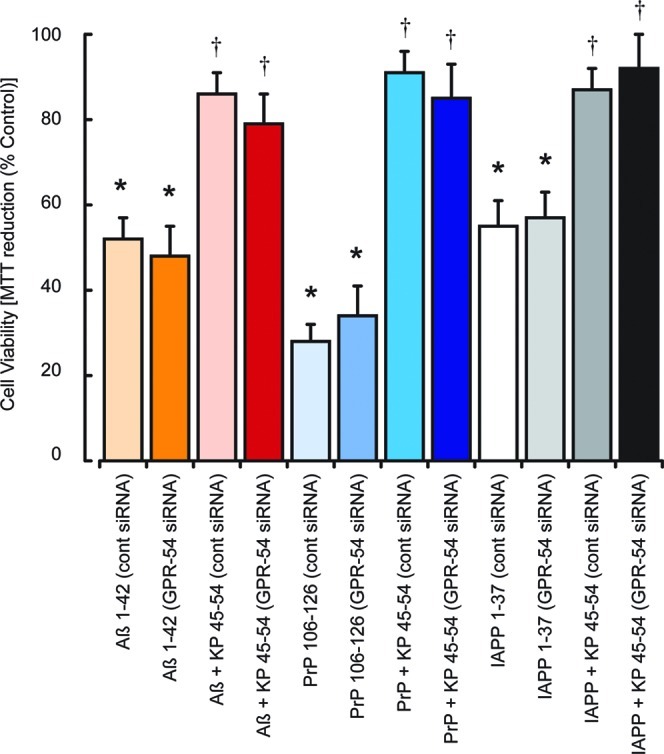
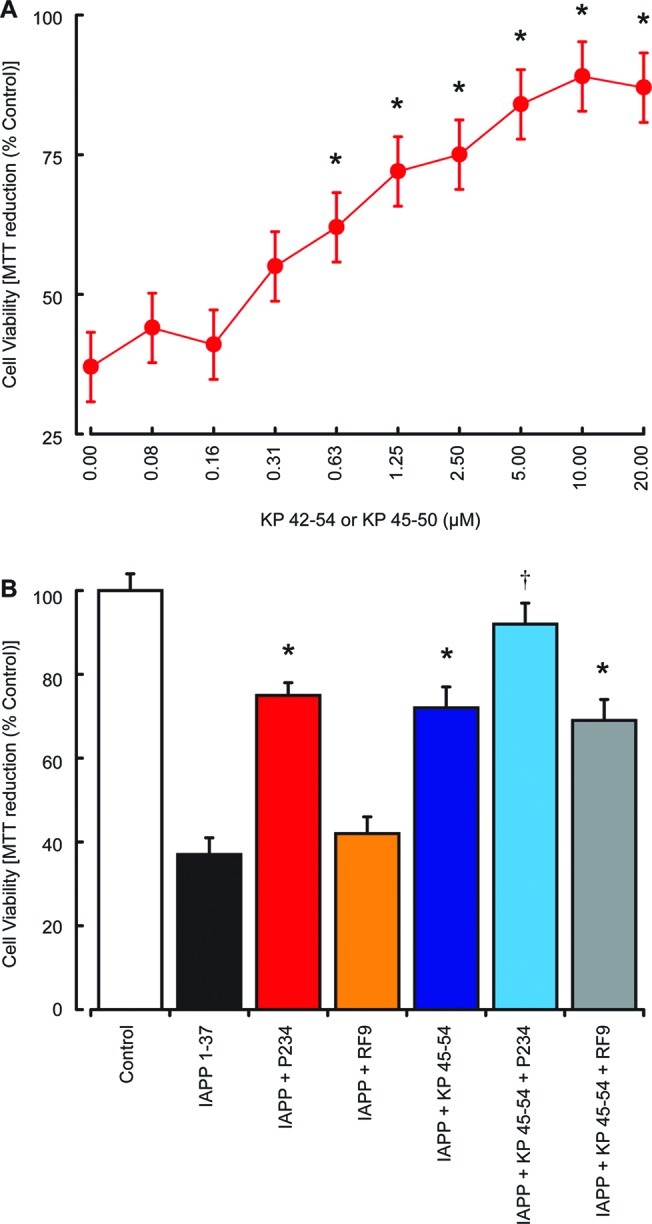
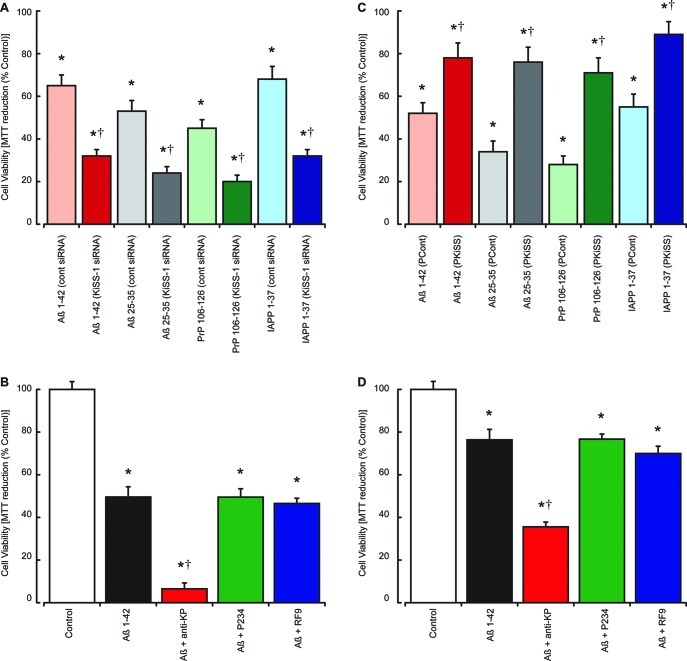
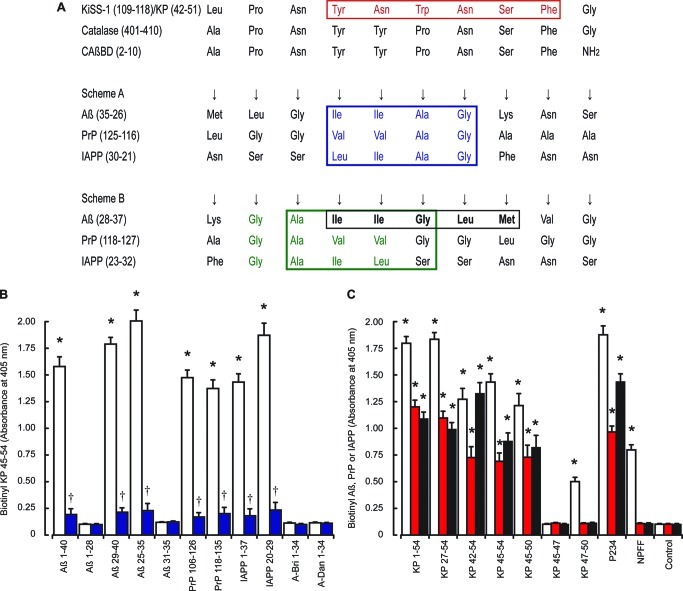
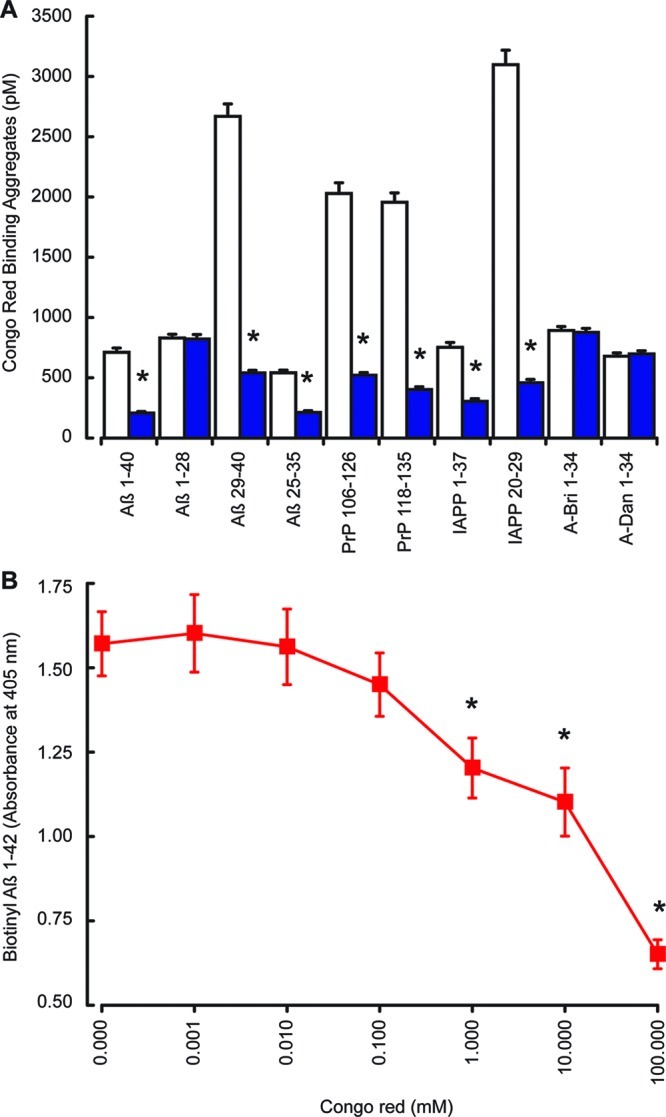
Alzheimer's disease (AD) onset is associated with changes in hypothalamic-pituitary-gonadal (HPG) function. The 54 amino acid kisspeptin (KP) peptide regulates the HPG axis and alters antioxidant enzyme expression. The Alzheimer's amyloid-β (Aβ) is neurotoxic, and this action can be prevented by the antioxidant enzyme catalase. Here, we examined the effects of KP peptides on the neurotoxicity of Aβ, prion protein (PrP), and amylin (IAPP) peptides. The Aβ, PrP, and IAPP peptides stimulated the release of KP and KP 45-54. The KP peptides inhibited the neurotoxicity of Aβ, PrP, and IAPP peptides, via an action that could not be blocked by kisspeptin-receptor (GPR-54) or neuropeptide FF (NPFF) receptor antagonists. Knockdown of KiSS-1 gene, which encodes the KP peptides, in human neuronal SH-SY5Y cells with siRNA enhanced the toxicity of amyloid peptides, while KiSS-1 overexpression was neuroprotective. A comparison of the catalase and KP sequences identified a similarity between KP residues 42-51 and the region of catalase that binds Aβ. The KP peptides containing residues 45-50 bound Aβ, PrP, and IAPP, inhibited Congo red binding, and were neuroprotective. These results suggest that KP peptides are neuroprotective against Aβ, IAPP, and PrP peptides via a receptor independent action involving direct binding to the amyloid peptides.
Figures
References
-
- Bao A.-M.; Meynen G.; Swaab D. F. (2008) The stress system in depression and neurodegeneration: focus on the human hypothalamus. Brain Res. Rev. 57, 531–553. - PubMed
-
- Tortosa-Martínez J.; Clow A. (2012) Does physical activity reduce risk for Alzheimer’s disease through interaction with the stress neuroendocrine system?. Stress 15, 243–261. - PubMed
-
- Verdile G.; Yeap B. B.; Clarnette R. M.; Dhaliwal S.; Burkhardt M. S.; Chubb S. A. P.; de Ruyck K.; Rodrigues M.; Mehta P. D.; Foster J. K.; Bruce D. G.; Martins R. N. (2008) Luteinizing hormone levels are positively correlated with plasma amyloid-beta protein levels in elderly men. J. Alzheimer's Dis. 14, 201–208. - PubMed
-
- George J. T.; Millar R. P.; Anderson R. A. (2010) Hypothesis: kisspeptin mediates male hypogonadism in obesity and type 2 diabetes. Neuroendocrinology 91, 302–307. - PubMed
-
- Navarro V. M.; Tena-Sempere M. (2012) Neuroendocrine control by kisspeptins: role in metabolic regulation of fertility. Nat. Rev. Endocrinol. 8, 40–53. - PubMed
Publication types
MeSH terms
Substances
Grants and funding
LinkOut - more resources
Full Text Sources
Research Materials
