


A profile of nonurgent emergency department use in an urban pediatric hospital
- PMID: 23023463
- PMCID: PMC3464348
- DOI: 10.1097/PEC.0b013e31826c9aab
A profile of nonurgent emergency department use in an urban pediatric hospital
Abstract
Objectives: This study was designed to develop a descriptive profile of parents and caregivers who bring their children to the emergency department (ED) for nonurgent issues and to explore the reasons for presenting to an urban hospital pediatric ED for nonurgent conditions. Such work is necessary to develop effective interventions.
Methods: A total of 106 parents/caregivers whose child was triaged with a nonemergent/urgent condition completed a 15- to 20-minute computerized survey (English and Spanish) in an urban pediatric ED.
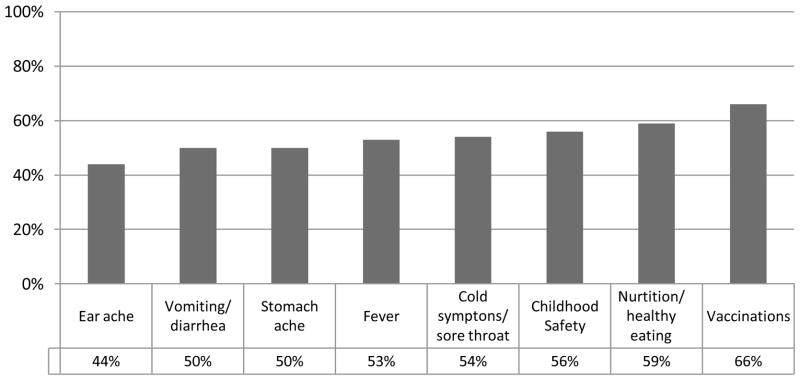
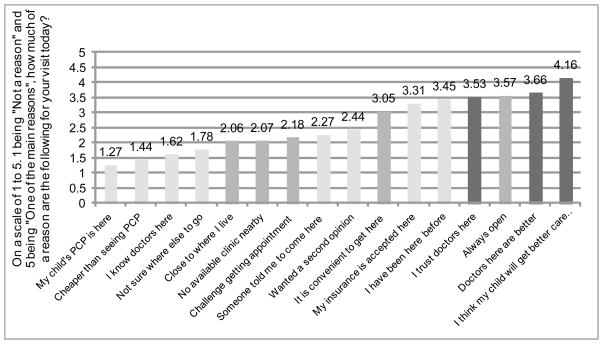
Results: Most respondents described themselves as Latino (76%) and foreign born (62%). About one half (49%) reported having an annual income of less than $20,000, and 43% of respondents did not have health insurance for themselves. Almost all (95%) of the index children had a primary care physician and health insurance. Despite being triaged as nonurgent, more than one half (63%) described their child's condition as "very" or "extremely" urgent. About one half of the respondents reported not receiving basic information on childhood illnesses from their child's physician. Reasons for nonurgent visits seemed to revolve around issues of convenience and perception of quality of care.
Conclusions: Interventions should focus on health literacy and ensure that parents are provided relevant and accurate education on pediatric illnesses and common safety concerns; by increasing parental education on pediatric health, parents may be better able to assess acuity of their child's health issues.
Figures
References
-
- Berry A, Brousseau D, Brotanek JM, Tomany-Korman S, Flores G. Why do parents bring children to the emergency department for nonurgent conditions? A qualitative study. Ambulatory Pediatrics. 2008;8:360–367. - PubMed
-
- Simon H, Hirsh D, Rogers A, Massey R, DeGuaman M. Pediatric Emergency Department Overcrowding: Electronic Medical Record For Identification Of Frequent, Lower Acuity Visitors. Can We Effectively Identify Patients For Enhanced Resource Utilization? Journal of Emergency Medicine. 2009;36(3):311–316. - PubMed
-
- Timm N, Ho M, Luria J. Pediatric Emergency Department Overcrowding and Impact on Patient Flow Outcomes. Acad Emerg Med. 2008 Sep;15(9):832–837. - PubMed
-
- Halfon N, Newacheck PW, Wood DL, St Peter RF. Routine emergency department use for sick care by children in the United States. Pediatrics. 1996;98:28–34. - PubMed
Publication types
MeSH terms
Grants and funding
LinkOut - more resources
Full Text Sources
Medical
