Molecular control of neurogenesis: a view from the mammalian cerebral cortex
- PMID: 23028117
- PMCID: PMC3475166
- DOI: 10.1101/cshperspect.a008359
Molecular control of neurogenesis: a view from the mammalian cerebral cortex
Abstract
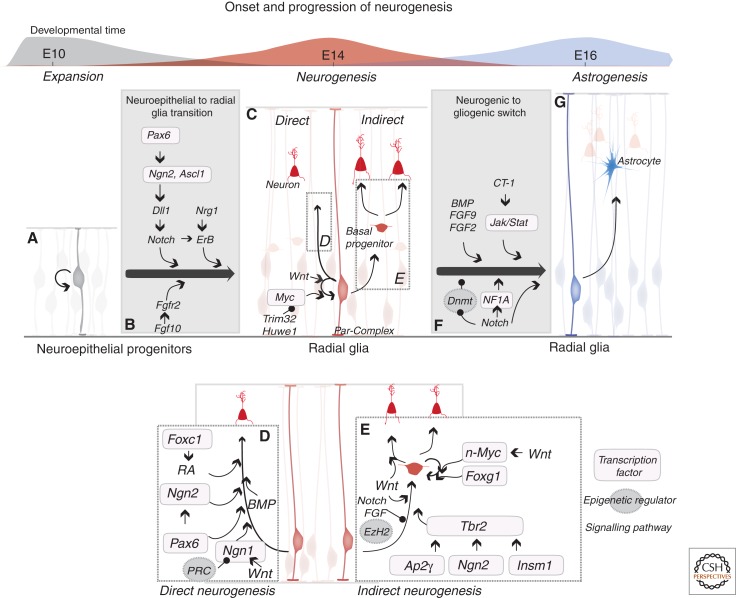
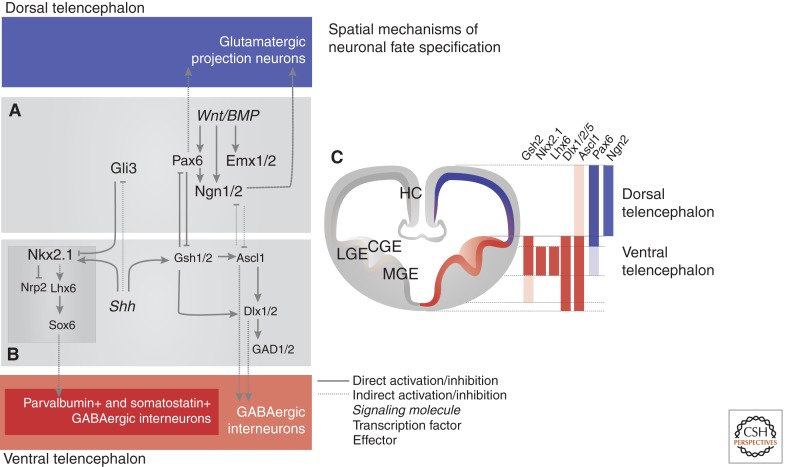
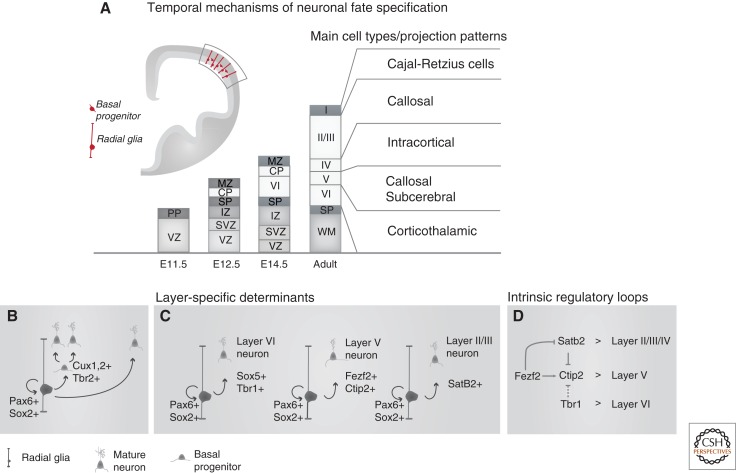
The mammalian nervous system is the most complex organ of any living organism. How this complexity is generated during neural development is just beginning to be elucidated. This article discusses the signaling, transcriptional, and epigenetic mechanisms that are involved in neural development. The first part focuses on molecules that control neuronal numbers through regulation of the timing of onset of neurogenesis, the timing of the neuronal-to-glial switch, and the rate of progenitor proliferation. The second part focuses on molecules that control neuronal diversity by generating spatially or temporally distinct populations of neuronal progenitors. Most of the studies discussed in this article are focused on the developing mammalian cerebral cortex, because this is one of the main model systems for neural developmental studies and many of the mechanisms identified in this tissue also operate elsewhere in the developing brain and spinal cord.
Figures
References
-
- Arlotta P, Molyneaux BJ, Chen J, Inoue J, Kominami R, Macklis JD 2005. Neuronal subtype-specific genes that control corticospinal motor neuron development in vivo. Neuron 45: 207–221 - PubMed
-
- Barnabé-Heider F, Wasylnka JA, Fernandes KJL, Porsche C, Sendtner M, Kaplan DR, Miller FD 2005. Evidence that embryonic neurons regulate the onset of cortical gliogenesis via cardiotrophin-1. Neuron 48: 253–265 - PubMed
-
- Berninger B, Guillemot F, Götz M 2007. Directing neurotransmitter identity of neurones derived from expanded adult neural stem cells. Eur J Neurosci 25: 2581–2590 - PubMed
Publication types
MeSH terms
Grants and funding
LinkOut - more resources
Full Text Sources