


Glimepiride: evidence-based facts, trends, and observations (GIFTS). [corrected]
- PMID: 23028231
- PMCID: PMC3448454
- DOI: 10.2147/HIV.S33194
Glimepiride: evidence-based facts, trends, and observations (GIFTS). [corrected]
Erratum in
- Vasc Health Risk Manag. 2013;9:1
Abstract
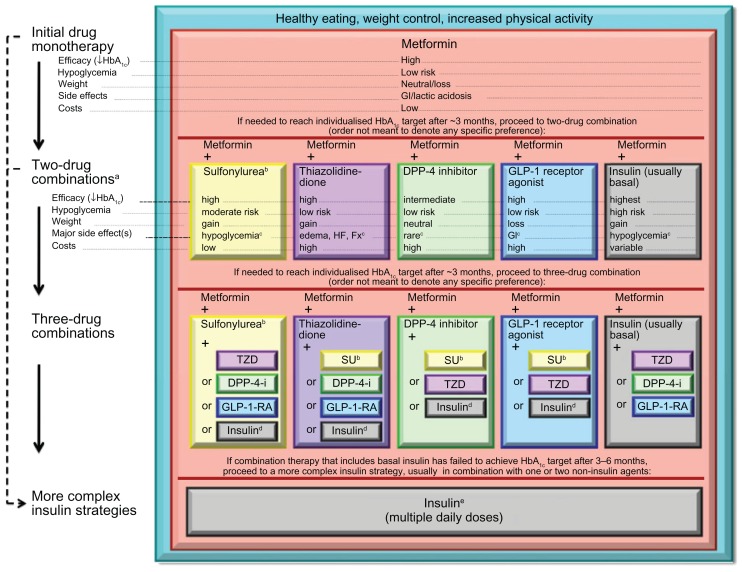
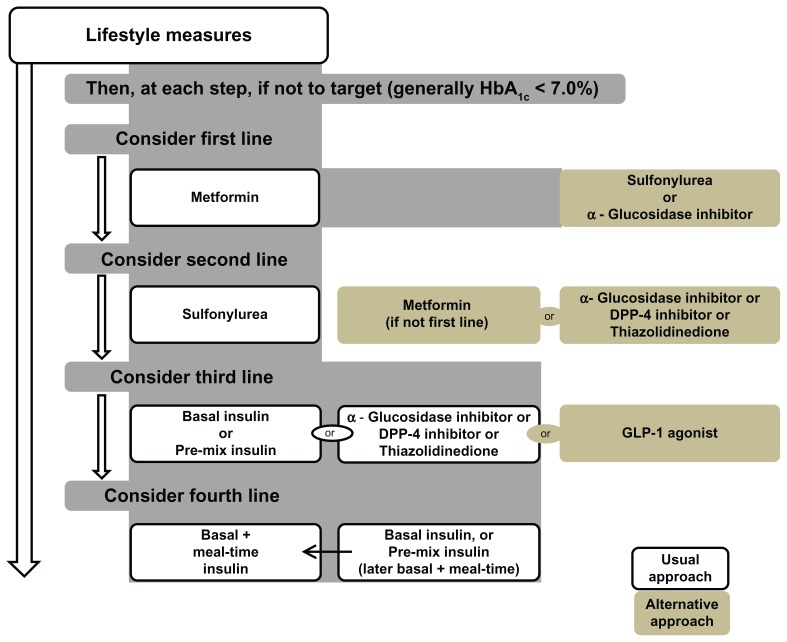
Type 2 diabetes mellitus is characterized by insulin resistance and progressive β cell failure; therefore, β cell secretagogues are useful for achieving sufficient glycemic control. Glimepiride is a second-generation sulfonylurea that stimulates pancreatic β cells to release insulin. Additionally, is has been shown to work via several extra pancreatic mechanisms. It is administered as monotherapy in patients with type 2 diabetes mellitus in whom glycemic control is not achieved by dietary and lifestyle modifications. It can also be combined with other antihyperglycemic agents, including metformin and insulin, in patients who are not adequately controlled by sulfonylureas alone. The effective dosage range is 1 to 8 mg/day; however, there is no significant difference between 4 and 8 mg/day, but it should be used with caution in the elderly and in patients with renal or hepatic disease. In clinical studies, glimepiride was generally associated with lower risk of hypoglycemia and less weight gain compared to other sulfonylureas. Glimepiride use may be safer in patients with cardiovascular disease because of its lack of detrimental effects on ischemic preconditioning. It is effective in reducing fasting plasma glucose, post-prandial glucose, and glycosylated hemoglobin levels and is a useful, cost-effective treatment option for managing type 2 diabetes mellitus.
Keywords: antihyperglycemic agents; diabetes; glimepiride; sulfonylurea.
Figures

References
-
- Schwatz P, editor. Diabetes Prevention in Practice. Dresden, Germany: WCPD; 2010.
-
- Wild S, Roglic G, Green A, Sicree R, King H. Global prevalence of diabetes: estimates for the year 2000 and projections for 2030. Diabetes Care. 2004;27(5):1047–1053. - PubMed
-
- World Health Organization. Fact sheet number 312: Diabetes. Media centre fact sheet. 2008. [Accessed on March 29, 2012]. Available from: http://www.who.int/mediacentre/factsheets/fs312/en/
-
- Intensive blood-glucose control with sulphonylureas or insulin compared with conventional treatment and risk of complications in patients with type 2 diabetes (UKPDS 33) UK Prospective Diabetes Study (UKPDS) Group. Lancet. 1998;352(9131):837–853. - PubMed
-
- The effect of intensive treatment of diabetes on the development and progression of long-term complications in insulin-dependent diabetes mellitus. The Diabetes Control and Complications Trial Research Group. N Engl J Med. 1993;329(14):977–986. - PubMed
Publication types
MeSH terms
Substances
LinkOut - more resources
Full Text Sources
Medical
