


A polymeric protein induces specific cytotoxicity in a TLR4 dependent manner in the absence of adjuvants
- PMID: 23029192
- PMCID: PMC3454435
- DOI: 10.1371/journal.pone.0045705
A polymeric protein induces specific cytotoxicity in a TLR4 dependent manner in the absence of adjuvants
Abstract
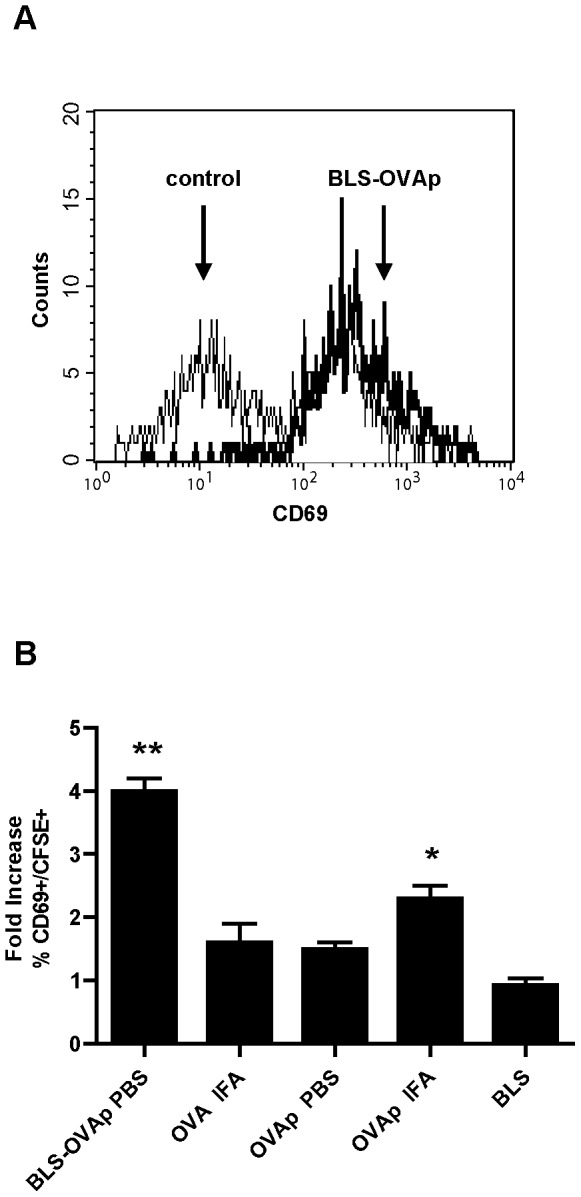
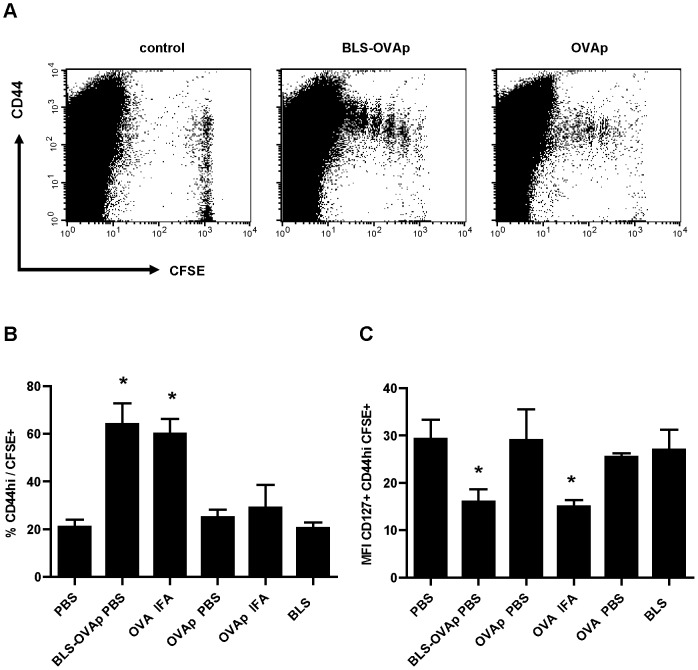
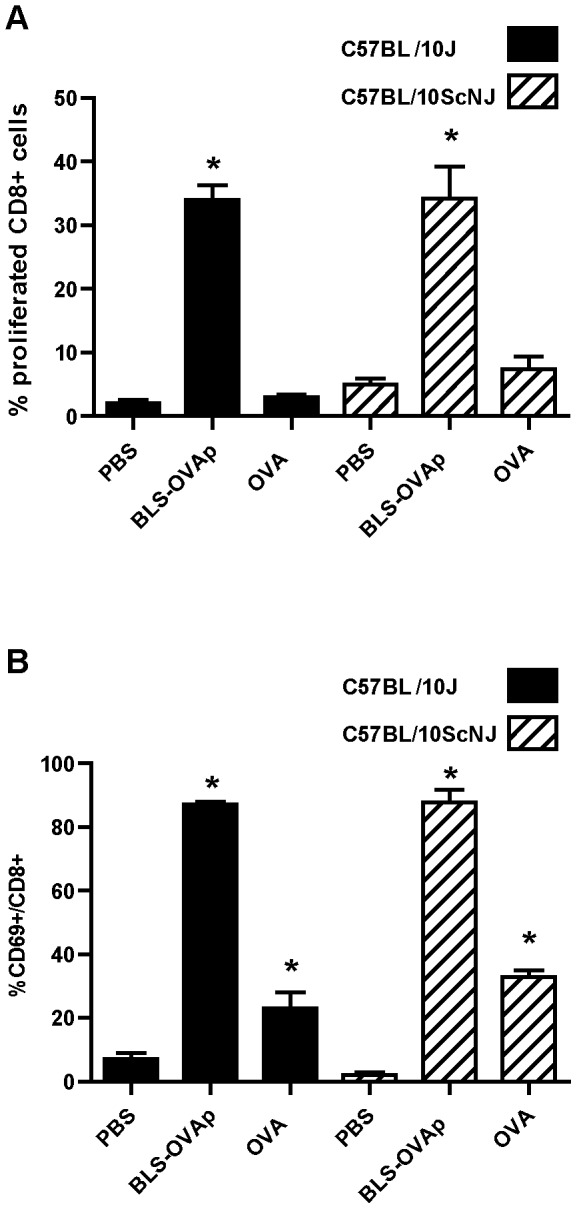
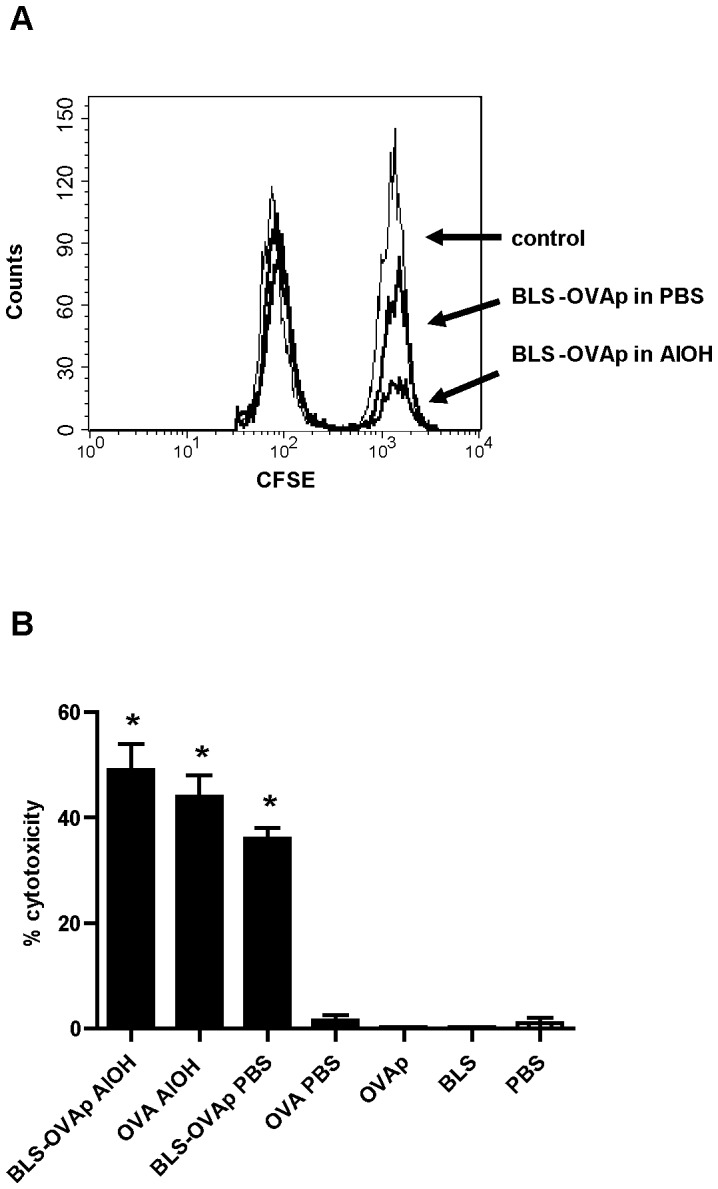
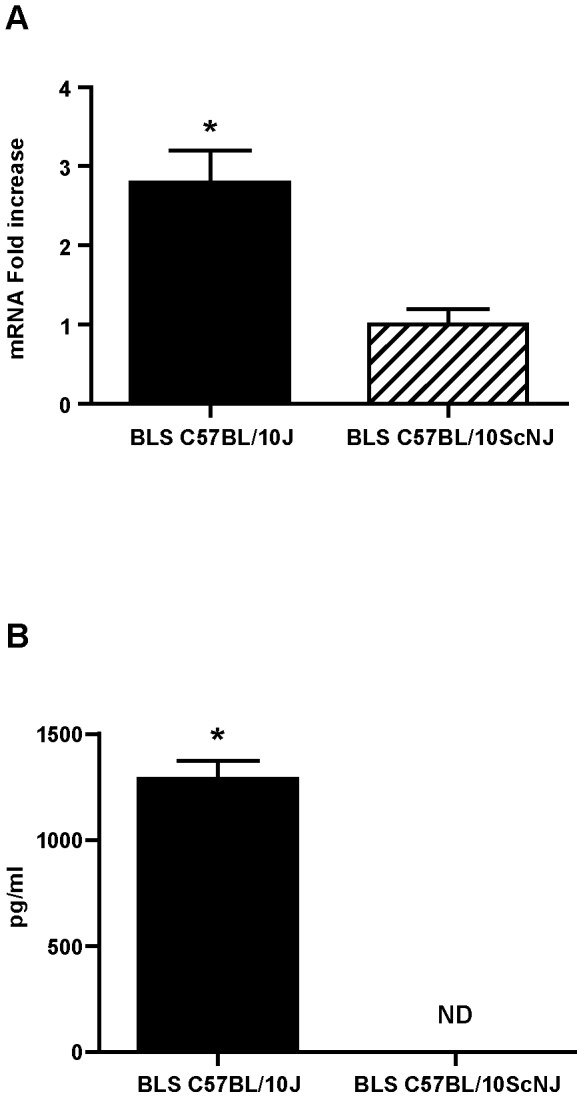
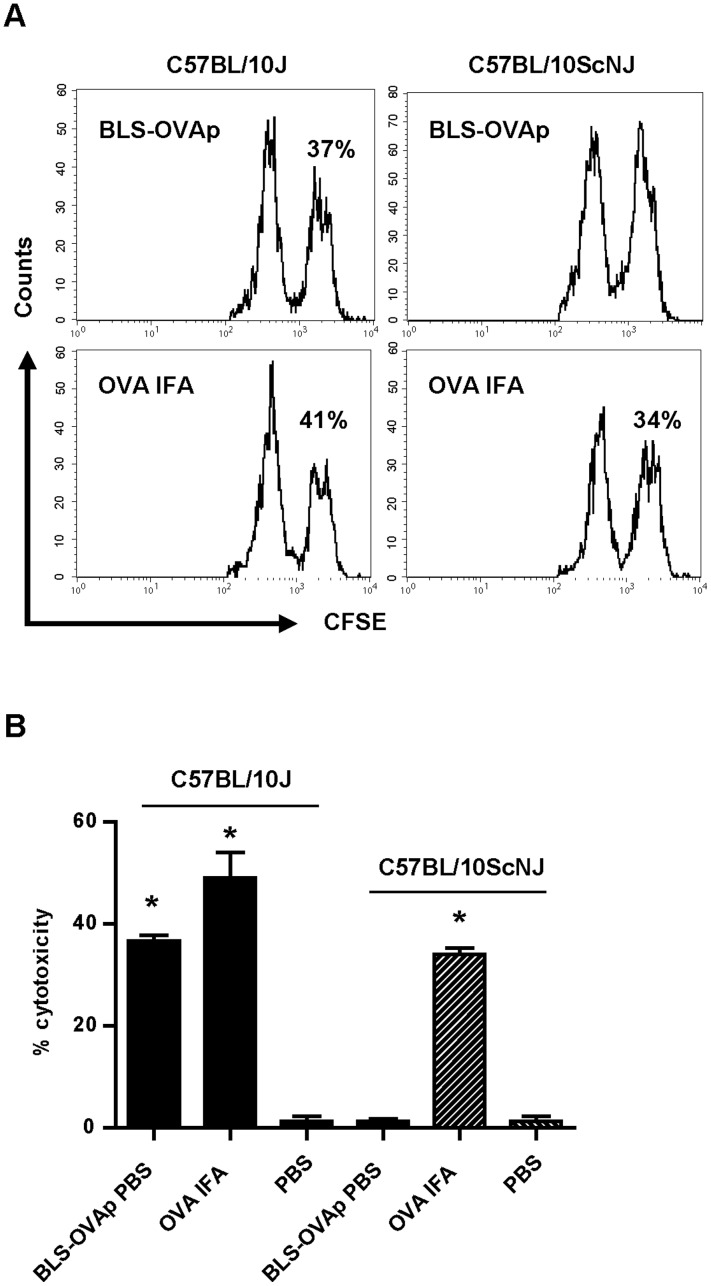
Lumazine synthase from Brucella spp. (BLS) is a highly immunogenic decameric protein. It is possible to insert foreign peptides or proteins at its ten-amino acid termini. These chimeras elicit systemic and oral immunity without adjuvants, which are commonly needed in the formulation of subunit-based vaccines. Here, we show that BLS induces the cross presentation of a covalently attached peptide OVA(257-264) and a specific cytotoxic response to this peptide in the absence of adjuvants. Unlike other subunit-based vaccines, this chimera induces rapid activation of CTLs and a specific cytotoxic response, making this polymeric protein an ideal antigen carrier for vaccine development. Adoptive transfer of transgenic OT-I T cells revealed efficient cross presentation of BLS-OVA(257-264)in vivo. BLS-OVA(257-264) immunization induced the proliferation of OVA(257-264)-specific CD8+ lymphocytes and also increased the percentage of OVA(257-264)-specific CD8+ cells expressing the early activation marker CD69; after 5 days, the percentage of OVA(257-264)-specific CD8+ cells expressing high levels of CD44 increased. This cell subpopulation showed decreased expression of IL-7Rα, indicating that BLS-OVA(257-264) induced the generation of CD8+ effector cells. BLS-OVA(257-264) was cross presented in vitro independently of the presence of a functional TLR4 in the DCs. Finally, we show that immunization of wild type mice with the chimera BLS-OVA(257-264) without adjuvants induced a strong OVA(257-264)-specific effector cytotoxic response. This cytotoxicity is dependent on TLR4 as is not induced in mice lacking a functional receptor. These data show that TLR4 signaling is necessary for the induction of a cytotoxic response but not for antigen cross presentation.
Conflict of interest statement
Figures

References
-
- Heath WR, Carbone FR (2001) Cross-presentation, dendritic cells, tolerance and immunity. Annu Rev Immunol 19: 47–64. - PubMed
-
- Yewdell JW, Norbury CC, Bennink JR (1999) Mechanisms of exogenous antigen presentation by MHC class I molecules in vitro and in vivo: implications for generating CD8+ T cell responses to infectious agents, tumors, transplants, and vaccines. Adv Immunol 73: 1–77. - PubMed
-
- Reimann J, Schirmbeck R (1999) Alternative pathways for processing exogenous and endogenous antigens that can generate peptides for MHC class I-restricted presentation. Immunol Rev 172: 131–152. - PubMed
-
- Buseyne F, Le Gall S, Boccaccio C, Abastado JP, Lifson JD, et al. (2001) MHC-I-restricted presentation of HIV-1 virion antigens without viral replication. Nat Med 7: 344–349. - PubMed
Publication types
MeSH terms
Substances
LinkOut - more resources
Full Text Sources
Molecular Biology Databases
Research Materials
Miscellaneous
