


Influence of dark phase restricted high fat feeding on myocardial adaptation in mice
- PMID: 23032157
- PMCID: PMC3546154
- DOI: 10.1016/j.yjmcc.2012.09.010
Influence of dark phase restricted high fat feeding on myocardial adaptation in mice
Abstract
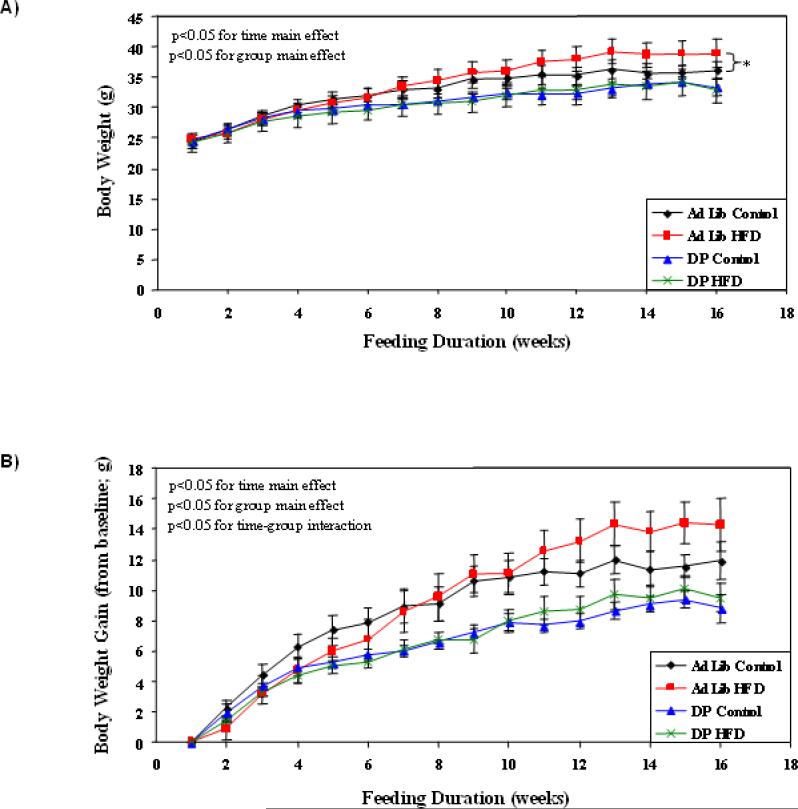
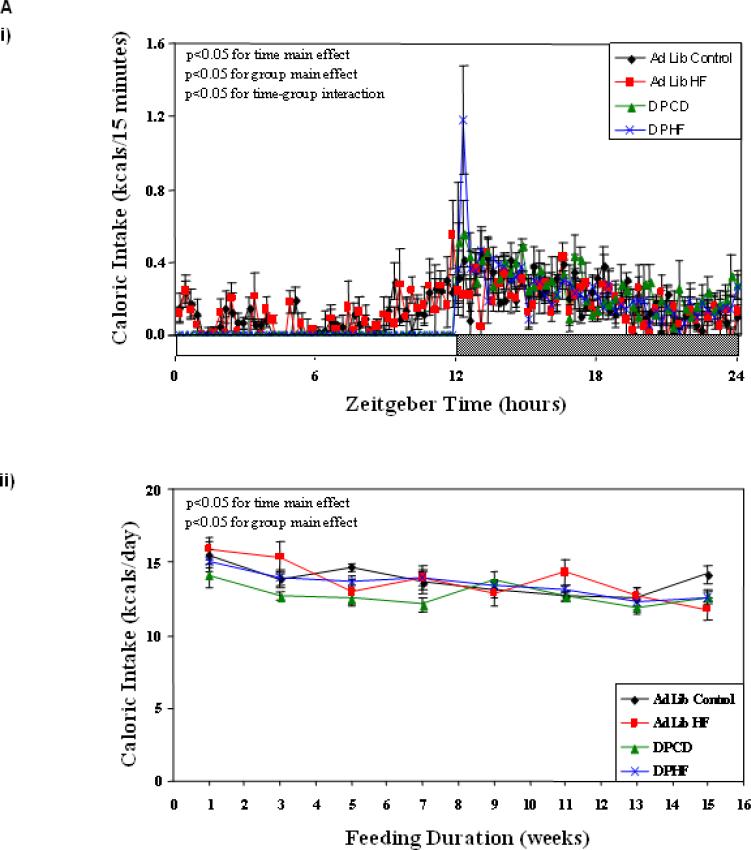
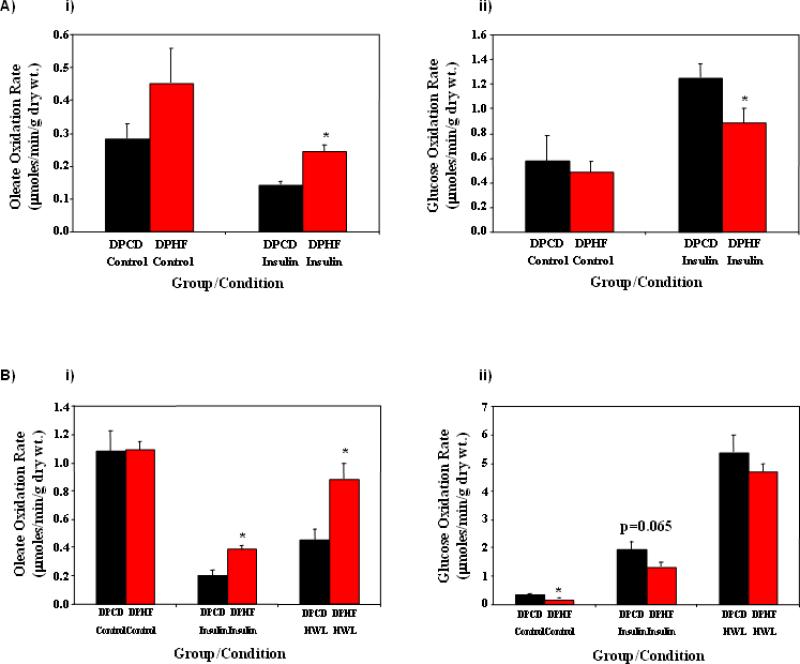
Prolonged high fat feeding is associated with myocardial contractile dysfunction in rodents. However, epidemiological data do not necessarily support the concept that fat-enriched diets adversely affect cardiac function in humans. When fed in an ad libitum manner, laboratory rodents consume chow throughout the day. In contrast, humans typically consume food only during the awake phase. Discrepancies between rodent and human feeding behaviors led us to hypothesize that the time of day at which dietary lipids are consumed significantly influences myocardial adaptation. In order to better mimic feeding behavior in humans, mice were fed (either a control or high fat diet) only during the 12-hour dark phase (i.e., no food was provided during the light phase). We report that compared to dark phase restricted control diet fed mice, mice fed a high fat diet during the dark phase exhibit: 1) essentially normal body weight gain and energy balance; 2) increased fatty acid oxidation at whole body, as well as skeletal and cardiac muscle (in the presence of insulin and/or at high workloads) levels; 3) induction of fatty acid responsive genes, including genes promoting triglyceride turnover in the heart; 4) no evidence of cardiac hypertrophy; and 5) persistence/improvement of myocardial contractile function, as assessed ex vivo. These data are consistent with the hypothesis that ingestion of dietary fat only during the more active/awake period allows adequate metabolic adaptation, thereby preserving myocardial contractile function. This article is part of a Special Issue entitled "Focus on cardiac metabolism".
Copyright © 2012 Elsevier Ltd. All rights reserved.
Figures




References
-
- U.S. Centers for Disease Control and Prevention . Preventing Obesity and Chronic Diseases through Good Nutrition and Physical Activity. US Department of Health and Human Services; http://www.cdc.gov/nccdphp/publications/factsheets/Prevention/obesity.htm.
-
- Magee CA, Iverson DC, Huang XF, Caputi P. A link between chronic sleep restriction and obesity: methodological considerations. Public Health. 2008 Dec;122(12):1373–81. - PubMed
-
- Lichtenstein AH. Dietary fat and cardiovascular disease risk: quantity or quality? J Womens Health (Larchmt) 2003 Mar;12(2):109–14. - PubMed
-
- Lopaschuk GD, Ussher JR, Folmes CD, Jaswal JS, Stanley WC. Myocardial Fatty Acid metabolism in health and disease. Physiol Rev. 2010 Jan;90(1):207–58. - PubMed
-
- Howard BV, Van Horn L, Hsia J, Manson JE, Stefanick ML, Wassertheil-Smoller S, et al. Low-fat dietary pattern and risk of cardiovascular disease: the Women's Health Initiative Randomized Controlled Dietary Modification Trial. JAMA. 2006 Feb 8;295(6):655–66. - PubMed
Publication types
MeSH terms
Substances
Grants and funding
LinkOut - more resources
Full Text Sources
Other Literature Sources
