


Acceptance and rejection of influenza vaccination by pregnant women in southern Iran: physicians' role and barriers
- PMID: 23032162
- PMCID: PMC3656077
- DOI: 10.4161/hv.22008
Acceptance and rejection of influenza vaccination by pregnant women in southern Iran: physicians' role and barriers
Abstract
Objective: Vaccination provides the most effective protection against maternal, fetal and neonatal complications of influenza infection. This study aimed to determine the uptake rate of influenza vaccination including 2009 pandemic H1N1 influenza and seasonal influenza vaccination and the reasons for acceptance or rejection among pregnant women.
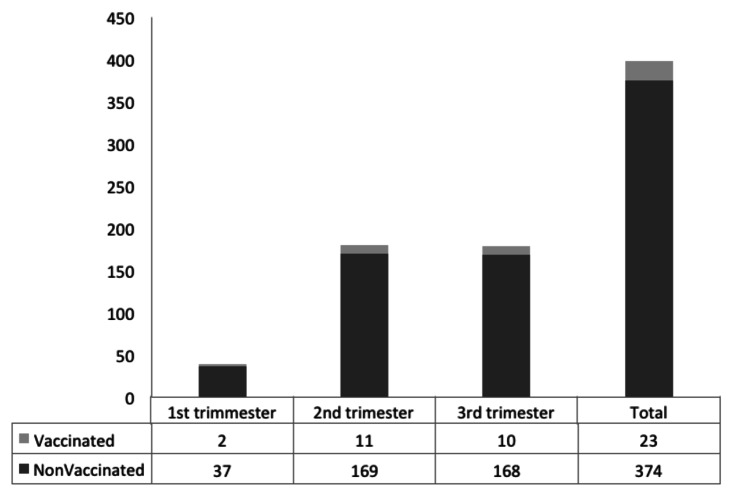
Result: Mean age of the 416 pregnant women enrolled in this study was 27.06 ± 5.27 y. Only 25 (6%) of 397 women had history of vaccination. Of 383 (92.06%) pregnant women who had rejected vaccination, 116 (30.28%) declared that they lacked information about influenza vaccination and 44 (11.48%) felt that they did not need vaccination. Concerns about the safety of influenza vaccination were reported by only 2 women (0.52%). Of the 25 (6%) pregnant women who were vaccinated against influenza, 15 (60%) accepted because of advice they received from persons other than physicians, 5 (20%) believed that influenza vaccination is necessary for everyone, and 3 (12%) accepted because of a history of frequent influenza virus infections in previous years.
Method: This questionnaire based study was conducted at obstetrics and maternity hospitals affiliated with Shiraz University of Medical Sciences, Shiraz, Iran. Pregnant women were interviewed individually and privately. SPSS was used for data analysis.
Conclusion: Most of the unvaccinated and vaccinated pregnant women lacked sufficient knowledge about influenza. Education of pregnant women about influenza vaccination and encouragement from physicians may have a remarkable effect on turning poor compliance into high flu vaccination uptake among pregnant women.
Keywords: 2009 Pandemic H1N1 influenza; A(H1N1) pdm09 influenza; physician; pregnant women; seasonal influenza; vaccination.
Figures
References
-
- Centers for Disease Control and Prevention (CDC). 2009 H1N1: overview of a pandemic, April 2009-August 2010. [cited January 10 2012]. Available at: http://www.cdc.gov/h1n1flu/yearinreview/yir5.htm
-
- World Health Organization (WHO). Global Alert Response (GAR). Weekly Update. Pandemic (H1N1) 2009 - update 112 [cited January 10 2012]. Available from: http://www.who.int/csr/don/2010_08_06/en/
-
- World Health Organization (WHO). Pandemic (H1N1) 2009. Global Alert and Response (GAR). [cited January 10 2012]. Available at: http://www.who.int/csr/disease/swineflu/en/
MeSH terms
Substances
LinkOut - more resources
Full Text Sources
Medical
