


The cochlear implant: historical aspects and future prospects
- PMID: 23044644
- PMCID: PMC4921065
- DOI: 10.1002/ar.22580
The cochlear implant: historical aspects and future prospects
Abstract
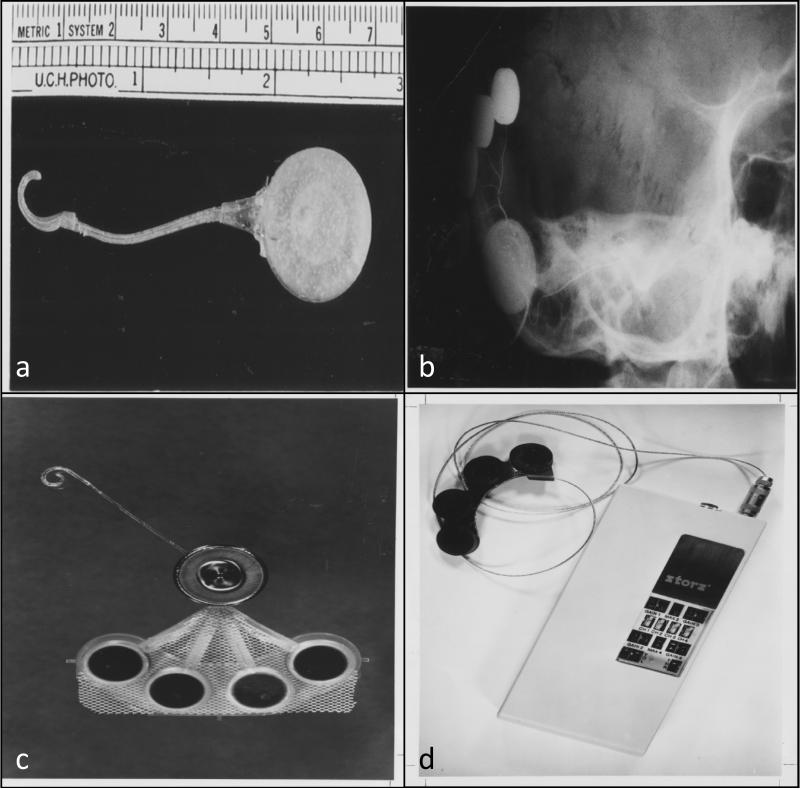
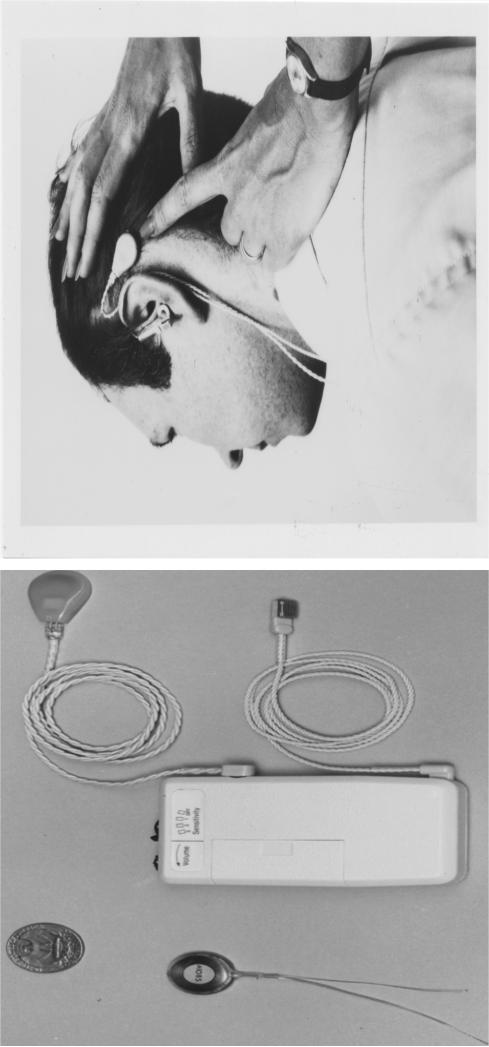
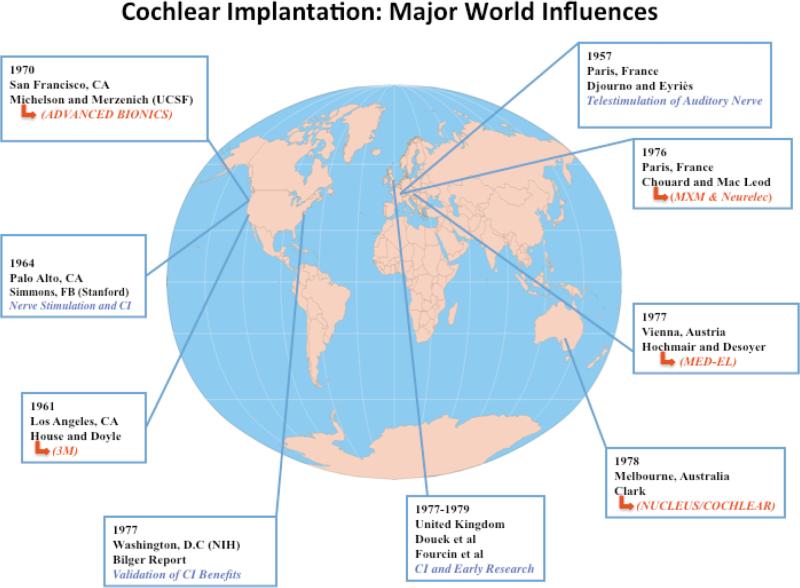
The cochlear implant (CI) is the first effective treatment for deafness and severe losses in hearing. As such, the CI is now widely regarded as one of the great advances in modern medicine. This article reviews the key events and discoveries that led up to the current CI systems, and we review and present some among the many possibilities for further improvements in device design and performance. The past achievements include: (1) development of reliable devices that can be used over the lifetime of a patient; (2) development of arrays of implanted electrodes that can stimulate more than one site in the cochlea; and (3) progressive and large improvements in sound processing strategies for CIs. In addition, cooperation between research organizations and companies greatly accelerated the widespread availability and use of safe and effective devices. Possibilities for the future include: (1) use of otoprotective drugs; (2) further improvements in electrode designs and placements; (3) further improvements in sound processing strategies; (4) use of stem cells to replace lost sensory hair cells and neural structures in the cochlea; (5) gene therapy; (6) further reductions in the trauma caused by insertions of electrodes and other manipulations during implant surgeries; and (7) optical rather electrical stimulation of the auditory nerve. Each of these possibilities is the subject of active research. Although great progress has been made to date in the development of the CI, including the first substantial restoration of a human sense, much more progress seems likely and certainly would not be a surprise.
Copyright © 2012 Wiley Periodicals, Inc.
Figures
References
-
- Adunka OF, Pillsbury HC, Buchman CA. Minimizing intracochlear trauma during cochlear implantation. Adv Otorhinolaryngol. 2010;67:96–107. - PubMed
-
- Adunka OF, Pillsbury HC, Kiefer J. Combining perimodiolar electrode placement and atraumatic insertion properties in cochlear implantation -- fact or fantasy? Acta Otolaryngol. 2006;126(5):475–482. - PubMed
-
- Adunka O, Kiefer J, Unkelbach MH, Lehnert T, Gstoettner W. Development and evaluation of an improved cochlear implant electrode design for electric acoustic stimulation. Laryngoscope. 2004;114:1237–1241. - PubMed
-
- Akazawa C, Ishibashi M, Shimizu C, Nakanishi S, Kageyama R. A mammalian helixloop-helix factor structurally related to the product of Drosophila proneural gene atonal is a positive transcriptional regulator expressed in the developing nervous system. J Biol Chem. 4. 1995;270(15):8730–8738. - PubMed
-
- Balkany TJ, Connell S, Hodges AV, Payne SL, Telischi FF, Eshraghi AA, Angeli SI, Germani R, Messiah S, Arheart KL. Conservation of residual acoustic hearing after cochlear implantation. Otol Neurotol. 2006;27(8):1083–1088. - PubMed
Publication types
MeSH terms
Grants and funding
LinkOut - more resources
Full Text Sources
Medical
Research Materials
Miscellaneous
