


Electrical properties of the red blood cell membrane and immunohematological investigation
- PMID: 23049321
- PMCID: PMC3415751
- DOI: 10.5581/1516-8484.20110080
Electrical properties of the red blood cell membrane and immunohematological investigation
Abstract
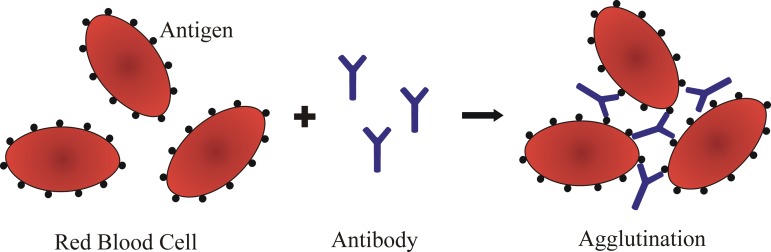
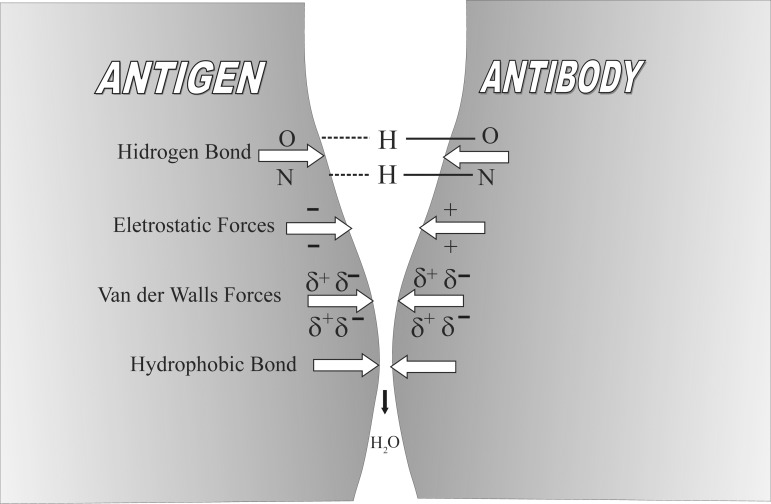
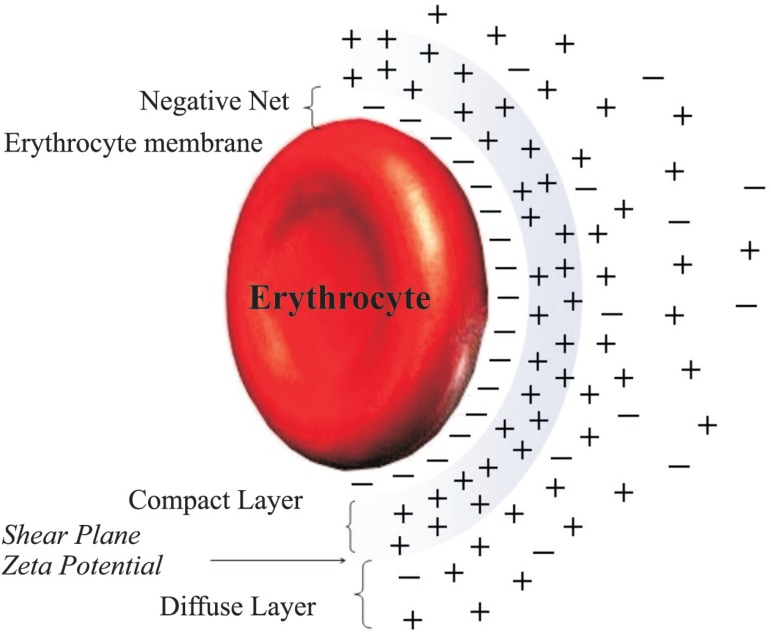
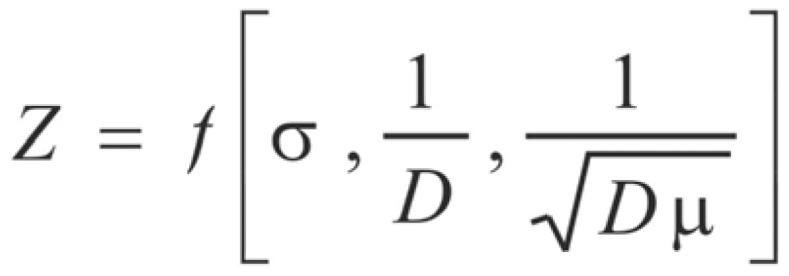
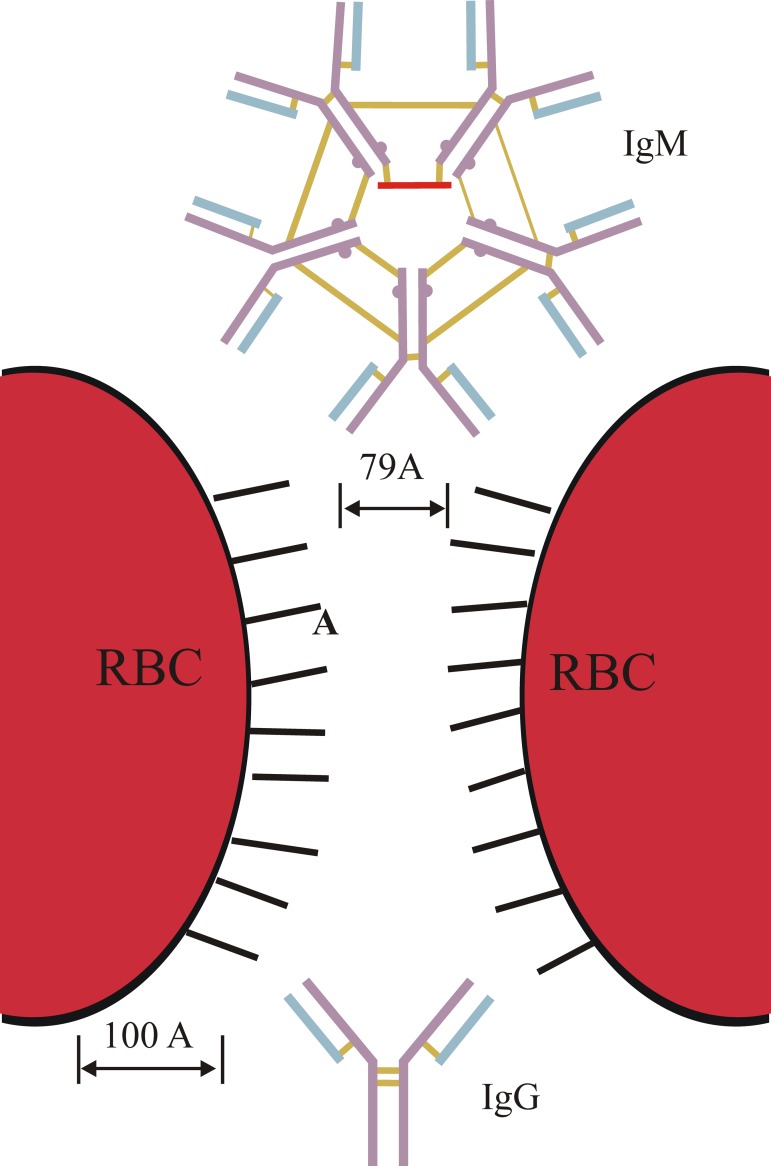
Hemagglutination is widely used in transfusion medicine and depends on several factors including antigens, antibodies, electrical properties of red blood cells and the environment of the reaction. Intermolecular forces are involved in agglutination with cell clumping occurring when the aggregation force is greater than the force of repulsion. Repulsive force is generated by negative charges on the red blood cell surface that occur due to the presence of the carboxyl group of sialic acids in the cell membrane; these charges create a repulsive electric zeta potential between cells. In transfusion services, specific solutions are used to improve hemagglutination, including enzymes that reduce the negative charge of red blood cells, LISS which improves the binding of antibodies to antigens and macromolecules that decrease the distance between erythrocytes. The specificity and sensitivity of immunohematological reactions depend directly on the appropriate use of these solutions. Knowledge of the electrical properties of red blood cells and of the action of enhancement solutions can contribute to the immunohematology practice in transfusion services.
Keywords: Agglutination; Erythrocytes; Optical tweezers; Zeta potential.
Conflict of interest statement
Conflict-of-interest disclosure: The authors declare no competing financial interest
Figures
References
-
- Pollack W, Reckel RP.A reappraisal of the forces involved in Hemagglutination. Int Archs Allergy Appl Immun. 1977; 54(1): 29-42 - PubMed
-
- Eylar EH, Madoff MA, Brody OV, Oncley JL.The contribution of sialic acid to the surface charge of the erythrocyte. J Biol Chem. 1962; 237: 1992-2000 - PubMed
-
- Abbas AK, Lichtman AH.Imunologia celular e molecular. 5th ed Rio de Janeiro: Saunders Elsevier; 2005. 580 p
-
- Van Oss CJ, Absolom DR.Zeta potential, Van der Walls Forces and hemagglutination. Vox sanguinis. 1983; 44(3): 183-90 - PubMed
-
- Parslow TG, Stites DP, Terr AI, Imboden JB.Imunologia Médica. 10th ed Rio de Janeiro: Guanabara Koogan, 2004.
LinkOut - more resources
Full Text Sources
Other Literature Sources