


Effect of a new synbiotic mixture on atopic dermatitis in children: a randomized-controlled trial
- PMID: 23056792
- PMCID: PMC3446166
Effect of a new synbiotic mixture on atopic dermatitis in children: a randomized-controlled trial
Abstract
Objective: Atopic dermatitis (AD) is the most common chronic relapsing skin disease seen in infancy and childhood. The intestinal microbiota play an important role in immune development and may play a role in the development of allergic disorders. Manipulation of the intestinal microbiota by synbiotics may therefore offer an approach to the prevention or treatment of AD and allergic diseases. We studied the clinical and immunologic effects of a new symbiotic (a mixture of seven probiotic strains of bacteria and Fructooligosaccharide) in infants and children with AD.
Methods: In a randomized, double-blind, placebo-controlled study, 40 infants and children aged 3 months to 6 years with AD received either a synbiotic or placebo for 8 weeks. The Severity Scoring of Atopic Dermatitis (SCORAD) index was recorded at baseline and also at 4 and 8 weeks of treatment.
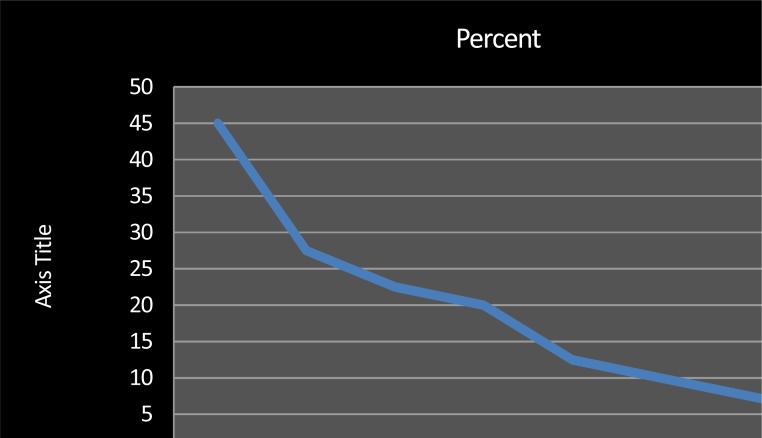
Findings: There was no significant difference between the probiotic and placebo group in baseline characteristics including sex, age, family history, corticosteroid usage and prick testing. Mean age was 23 months. The synbiotic group showed a significantly greater reduction in SCORAD than did the placebo group (P=0.001). No specific effect was demonstrated of the probiotics employed on cytokine profile (P=0.4, P=0.6). Egg white was the most common (45%) allergen followed by peanut and cow's milk.
Conclusion: This study provides evidence that a mixture of seven strains of probiotics and Fructooligosaccharide can clinically improve the severity of AD in young children. Further studies are needed to investigate the effects on underlying immune responses and the potential long term benefits for patients with AD.
Keywords: Atopic dermatitis; Children; Cytokine; Randomized Controlled Trial; Synbiotic.
Figures
References
-
- Kliegman RM, Behrman RE, Jenson HB, Stanton BF. Nelson Textbook of Pediatrics. 18th ed. Philadelphia: Saunders; 2007.
-
- Jung T, Stingl G. Atopic dermatitis: Therapeutic concepts evolving from new pathophysiologic insights. J Allergy Clin Immunol. 2008;122(6):1074–81. - PubMed
-
- De Vrese M, Schrezenmeir J. Probiotics, Prebiotics, and Synbiotics. Adv Biochem Eng Biotechnol. 2008;111:1–66. - PubMed
-
- Ghadimi D, Fölster-Holst R, de Vrese M, et al. Effects of probiotic bacteria and their genomic DNA on TH1/TH2-cytokine production by peripheral blood mononuclear cells (PBMCs) of healthy and allergic subjects. Immunobiology. 2008;213(8):677–92. - PubMed
LinkOut - more resources
Full Text Sources
Other Literature Sources