


Follicular flushing during oocyte retrieval: a systematic review and meta-analysis
- PMID: 23065177
- PMCID: PMC3510361
- DOI: 10.1007/s10815-012-9869-9
Follicular flushing during oocyte retrieval: a systematic review and meta-analysis
Abstract
Purpose: The purpose of this systematic review and meta-analysis was to examine the literature and identify randomized controlled trials (RCTs), in order to answer if performing follicular flushing during the oocyte retrieval may improve the assisted reproductive technologies (ART) outcomes.
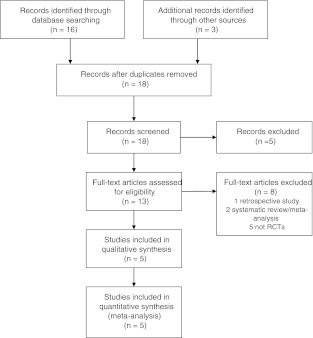
Methods: An exhaustive electronic search was performed using MEDLINE and EMBASE databases. Only RCTs comparing follicular flushing to aspiration only during ART, were included. We included 5 trials, with a total of 482 patients randomized, with median ages ranging from 30.5 to 37.1.
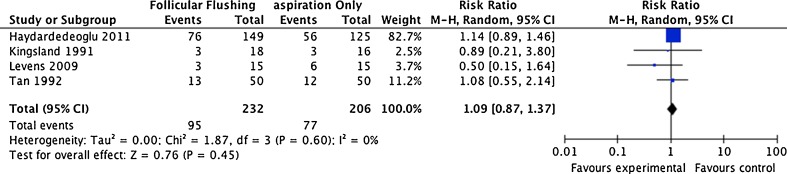
Results: The data analyses did not show significant differences regarding live birth rate, clinical pregnancies rates, and the number of oocytes retrieved. The duration of oocyte retrieval was significantly increased in the follicular flushing group.
Conclusions: The results from this systematic review and meta-analysis suggest that there is no advantage to use of routine follicular flushing during OR in an unselected group of patients.
Figures



References
-
- Hussein E, Balen AH, Tan SL. A prospective study comparing the outcome of oocytes retrieved in the aspirate with those retrieved in the flush during transvaginal ultrasound directed oocyte recovery for in-vitro fertilization. Br J Obstet Gynaecol. 1992;99:841–844. doi: 10.1111/j.1471-0528.1992.tb14417.x. - DOI - PubMed
Publication types
MeSH terms
LinkOut - more resources
Full Text Sources
Medical
