


The blood and vascular cell compatibility of heparin-modified ePTFE vascular grafts
- PMID: 23069711
- PMCID: PMC4065598
- DOI: 10.1016/j.biomaterials.2012.09.046
The blood and vascular cell compatibility of heparin-modified ePTFE vascular grafts
Abstract
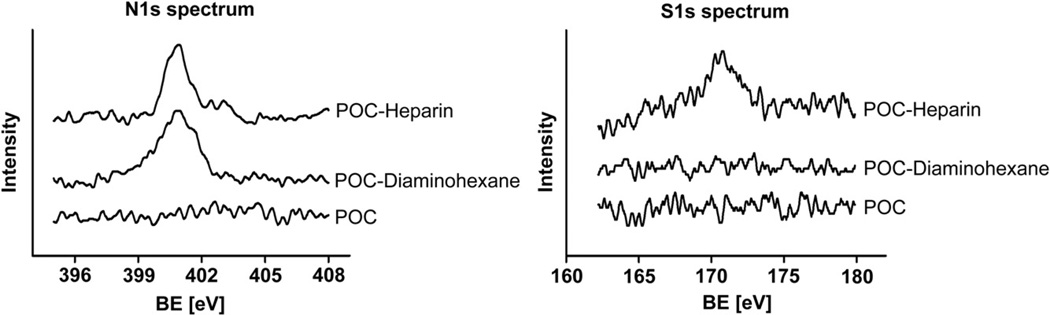
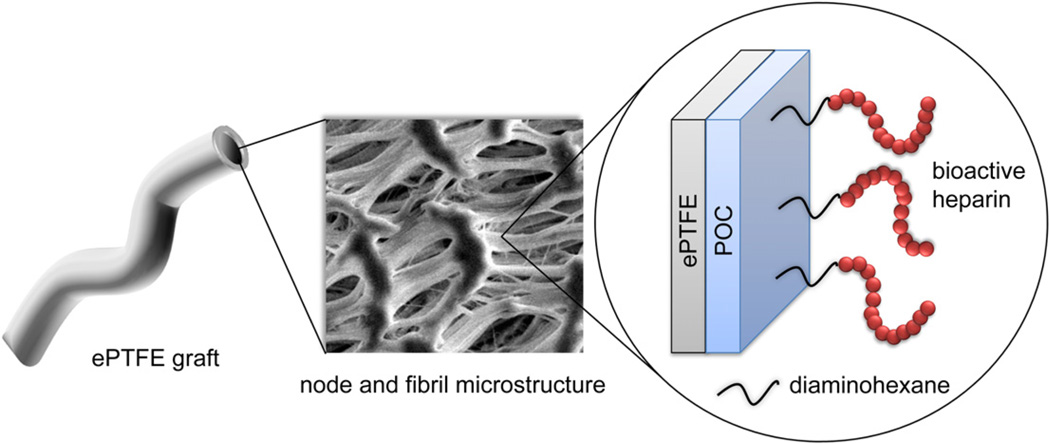
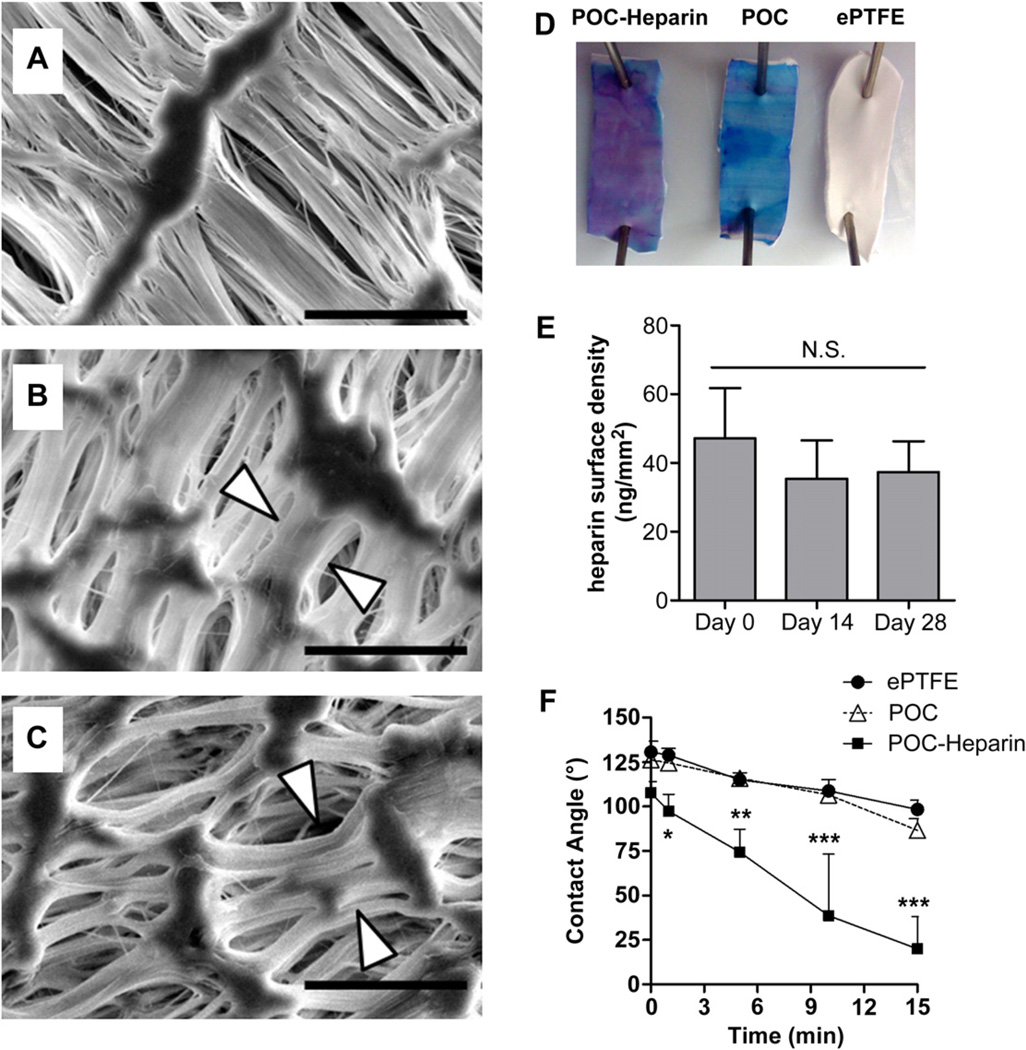
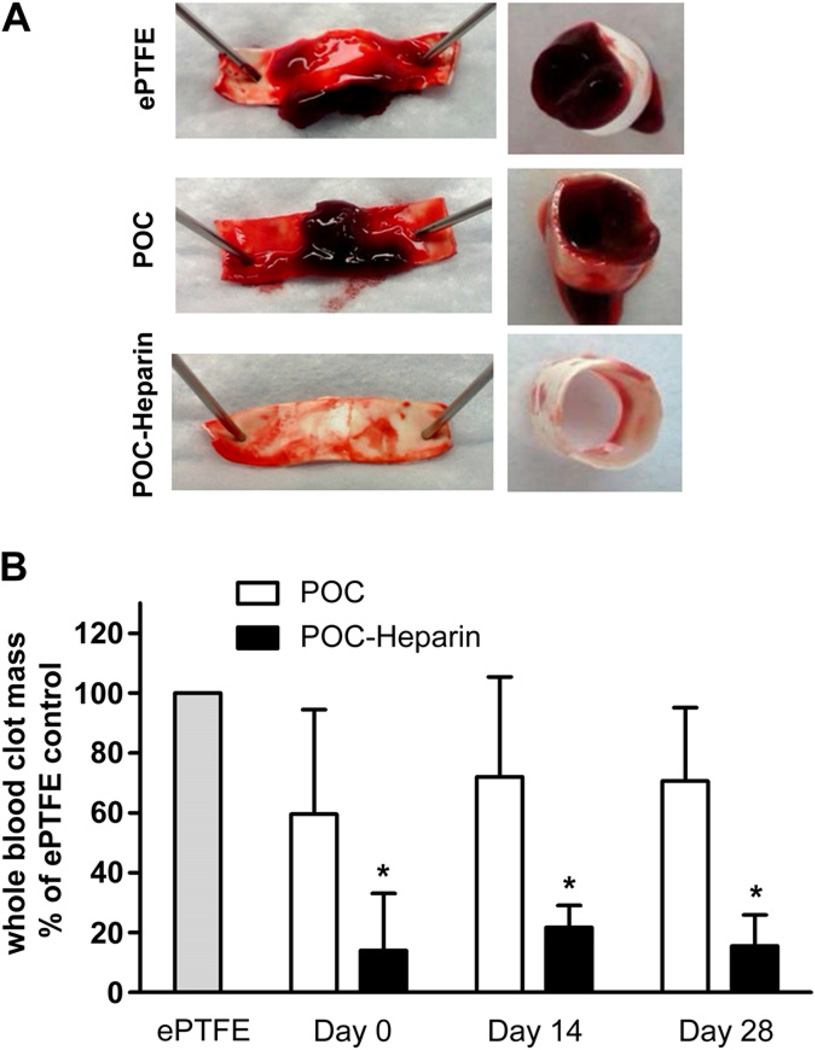
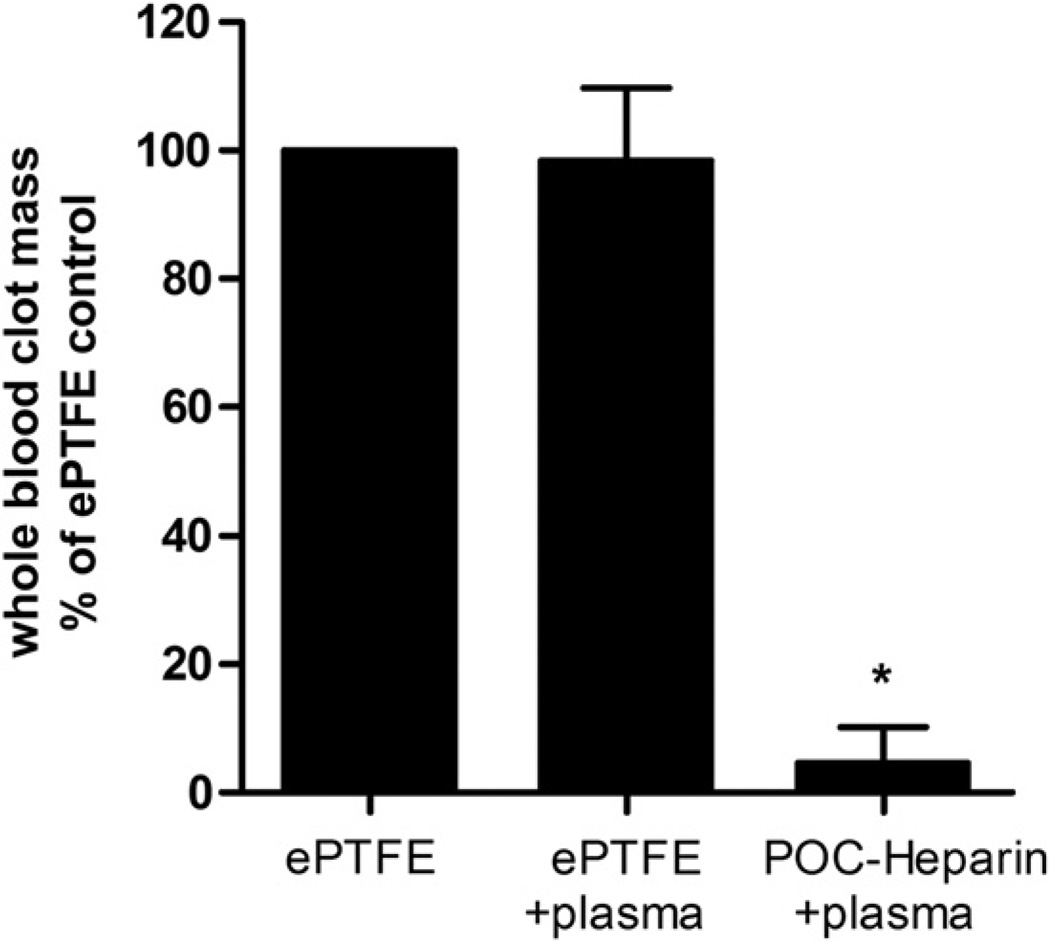
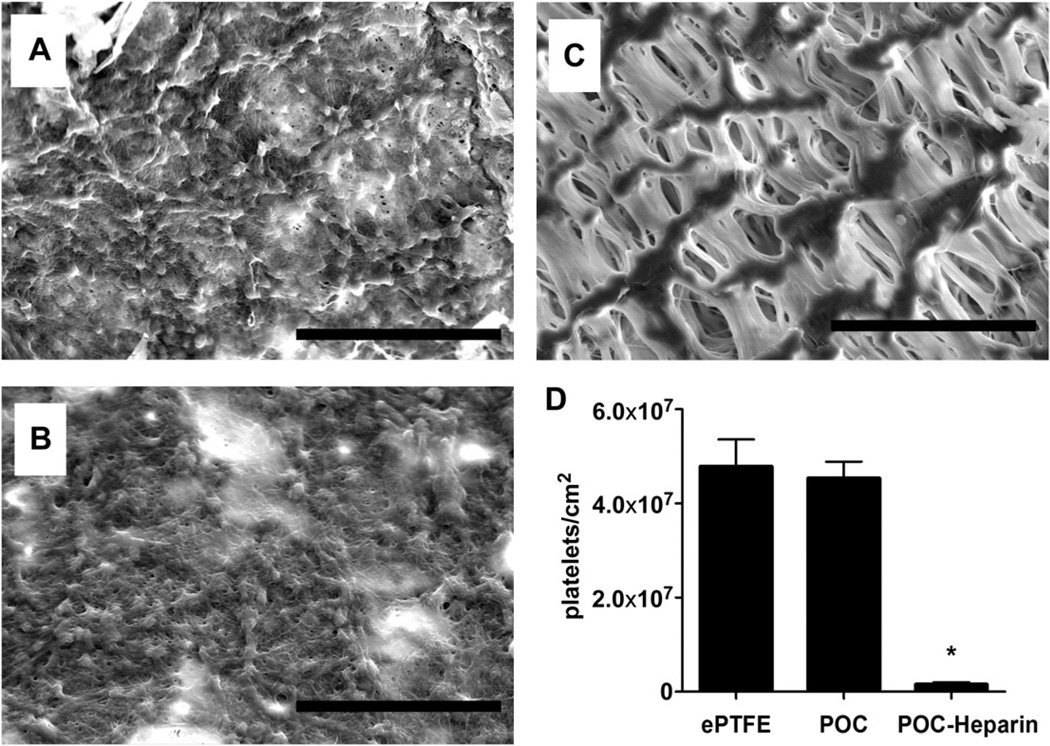
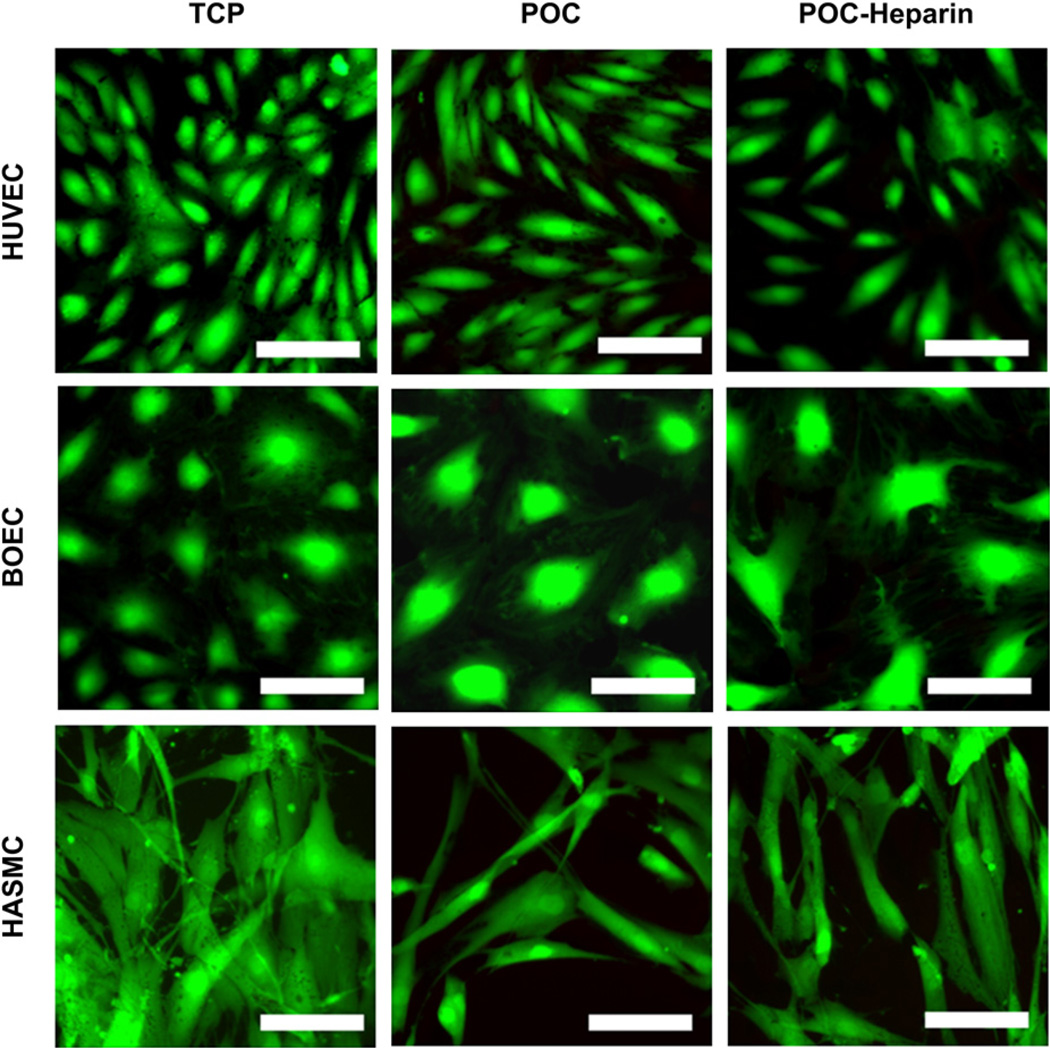
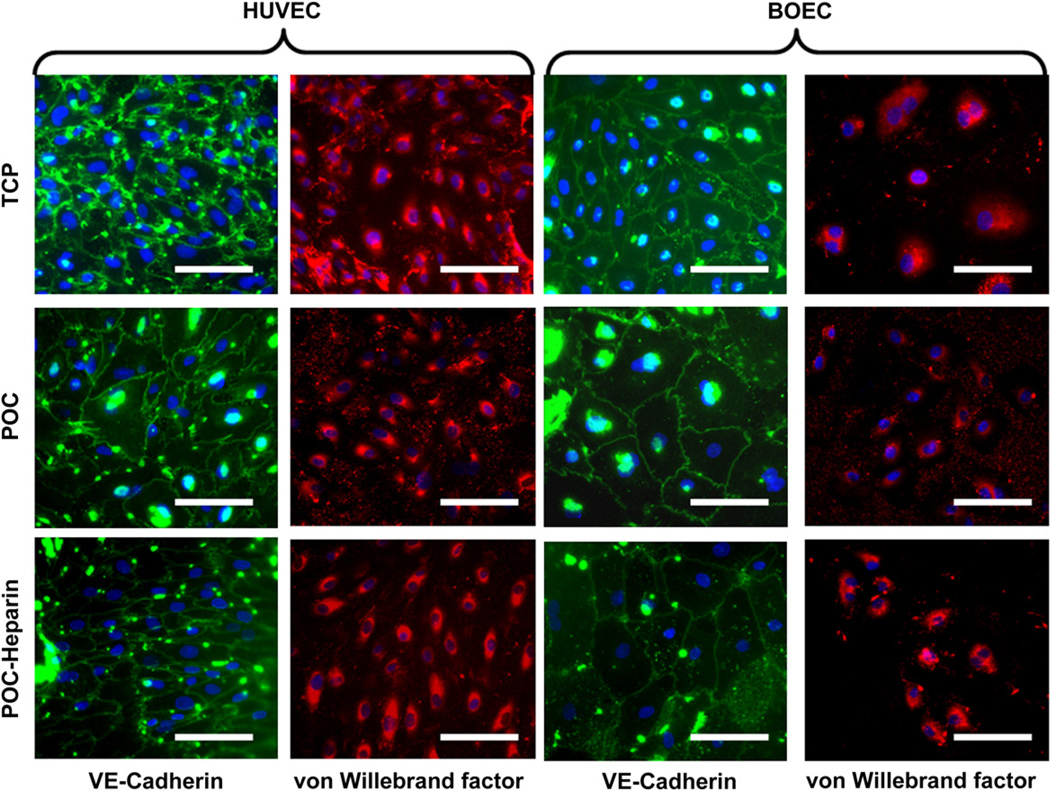
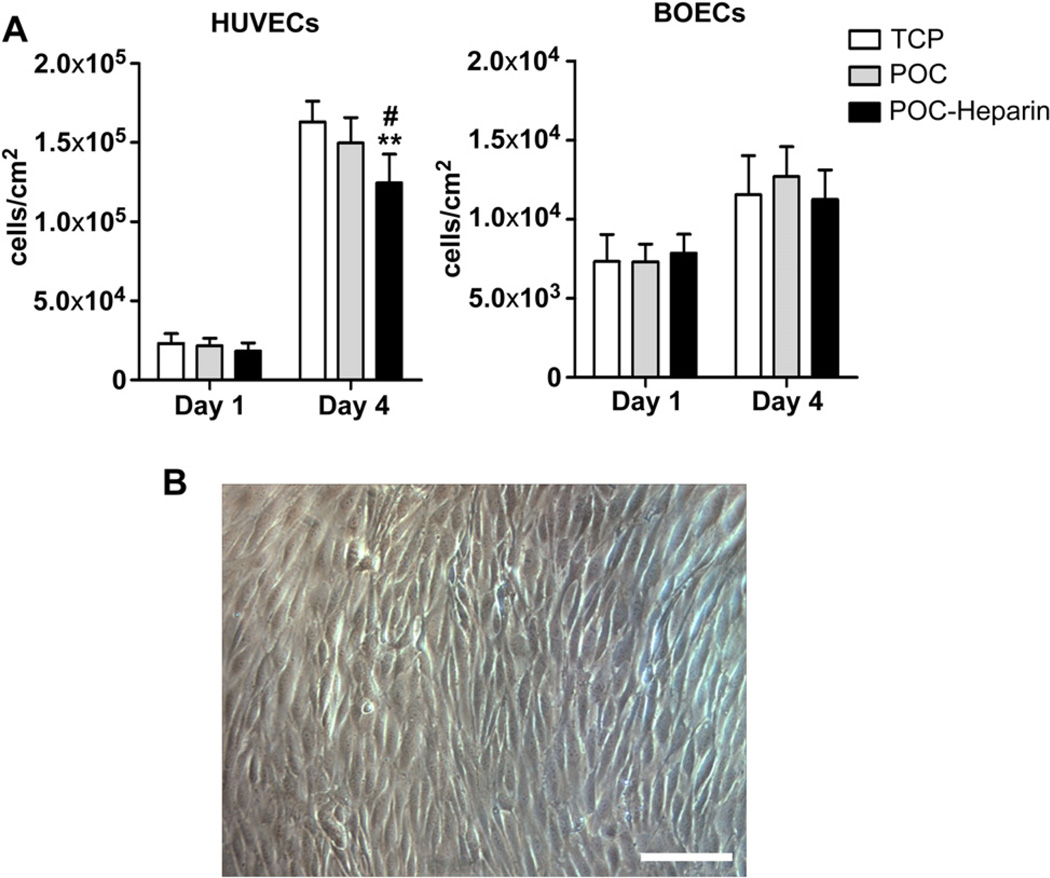
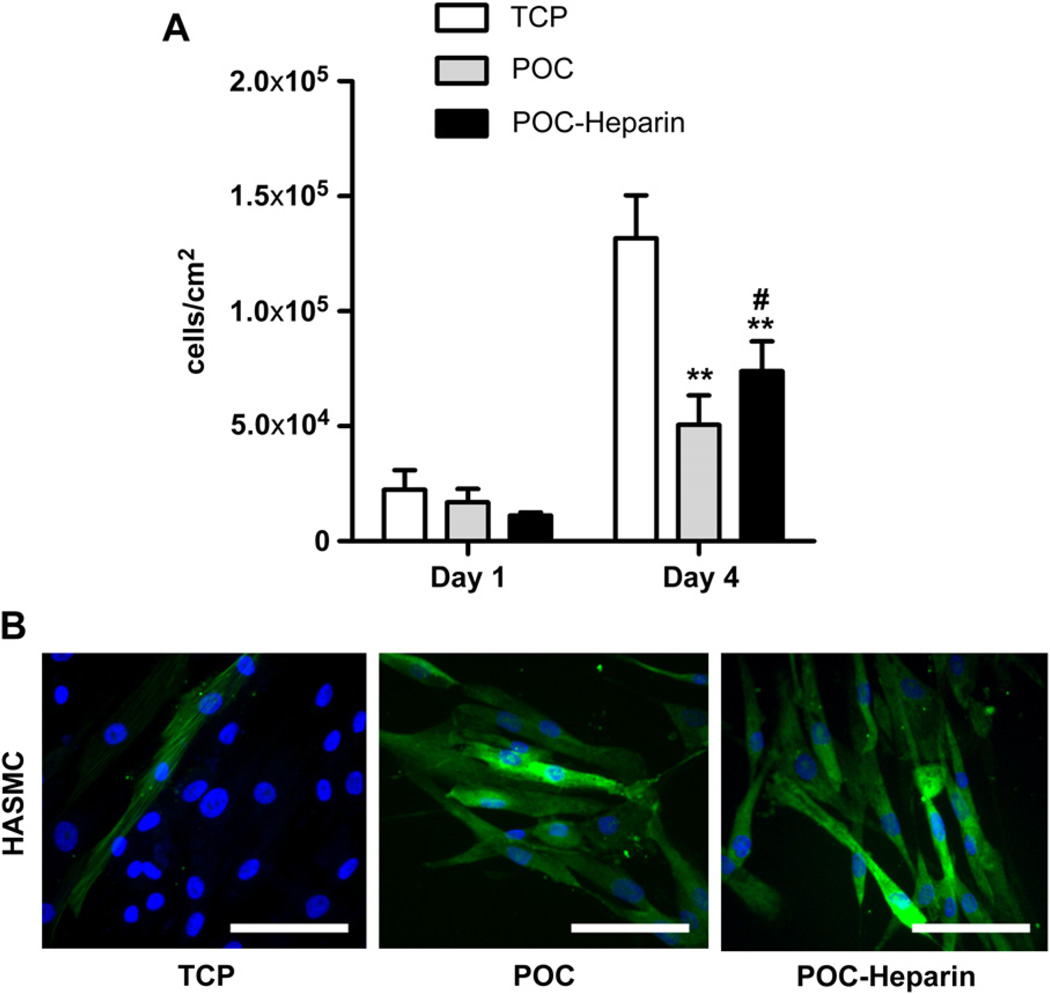
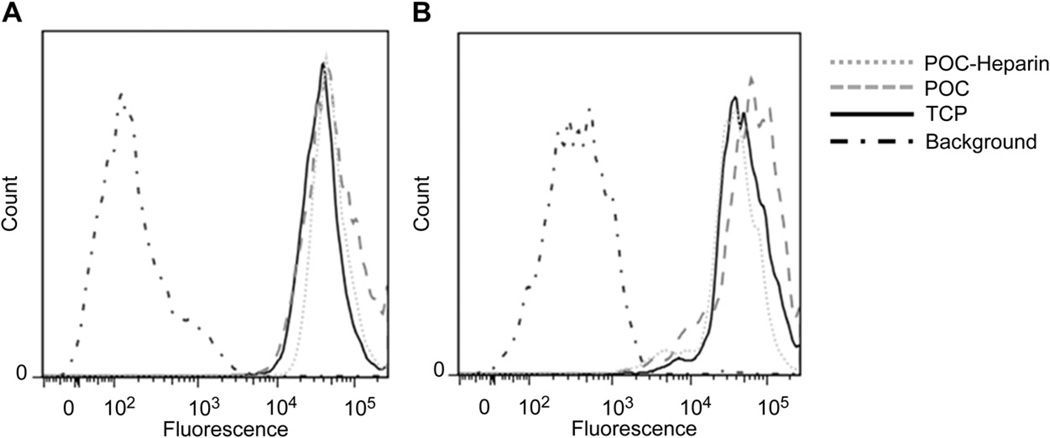
Prosthetic vascular grafts do not mimic the antithrombogenic properties of native blood vessels and therefore have higher rates of complications that involve thrombosis and restenosis. We developed an approach for grafting bioactive heparin, a potent anticoagulant glycosaminoglycan, to the lumen of ePTFE vascular grafts to improve their interactions with blood and vascular cells. Heparin was bound to aminated poly(1,8-octanediol-co-citrate) (POC) via its carboxyl functional groups onto POC-modified ePTFE grafts. The bioactivity and stability of the POC-immobilized heparin (POC-Heparin) were characterized via platelet adhesion and clotting assays. The effects of POC-Heparin on the adhesion, viability and phenotype of primary endothelial cells (EC), blood outgrowth endothelial cells (BOECs) obtained from endothelial progenitor cells (EPCs) isolated from human peripheral blood, and smooth muscle cells were also investigated. POC-Heparin grafts maintained bioactivity under physiologically relevant conditions in vitro for at least one month. Specifically, POC-Heparin-coated ePTFE grafts significantly reduced platelet adhesion and inhibited whole blood clotting kinetics. POC-Heparin supported EC and BOEC adhesion, viability, proliferation, NO production, and expression of endothelial cell-specific markers von Willebrand factor (vWF) and vascular endothelial-cadherin (VE-cadherin). Smooth muscle cells cultured on POC-Heparin showed increased expression of α-actin and decreased cell proliferation. This approach can be easily adapted to modify other blood contacting devices such as stents where antithrombogenicity and improved endothelialization are desirable properties.
Copyright © 2012 Elsevier Ltd. All rights reserved.
Figures
References
-
- Curi MA, Skelly CL, Meyerson SL, Woo DH, Desai TR, McKinsey JF, et al. Conduit choice for above-knee femoropopliteal bypass grafting in patients with limb-threatening ischemia. Ann Vasc Surg. 2002;16(1):95–101. - PubMed
-
- Albers M, Battistella VM, Romiti M, Rodrigues AA, Pereira CA. Meta-analysis of polytetrafluoroethylene bypass grafts to infrapopliteal arteries. J Vasc Surg. 2003;37(6):1263–1269. - PubMed
-
- Lord MS, Yu W, Cheng B, Simmons A, Poole-Warren L, Whitelock JM. The modulation of platelet and endothelial cell adhesion to vascular graft materials by perlecan. Biomaterials. 2009;30(28):4898–4906. - PubMed
-
- Wissink MJ, Beernink R, Pieper JS, Poot AA, Engbers GH, Beugeling T, et al. Immobilization of heparin to EDC/NHS-crosslinked collagen. Characterization and in vitro evaluation. Biomaterials. 2001;22(2):151–163. - PubMed
-
- Chandy T, Das GS, Wilson RF, Rao GH. Use of plasma glow for surface-engineering biomolecules to enhance blood compatibility of Dacron and PTFE vascular prosthesis. Biomaterials. 2000;21(7):699–712. - PubMed
MeSH terms
Substances
Grants and funding
LinkOut - more resources
Full Text Sources
Other Literature Sources
Medical
Miscellaneous
