


Immunologic privilege in the central nervous system and the blood-brain barrier
- PMID: 23072749
- PMCID: PMC3597357
- DOI: 10.1038/jcbfm.2012.153
Immunologic privilege in the central nervous system and the blood-brain barrier
Abstract
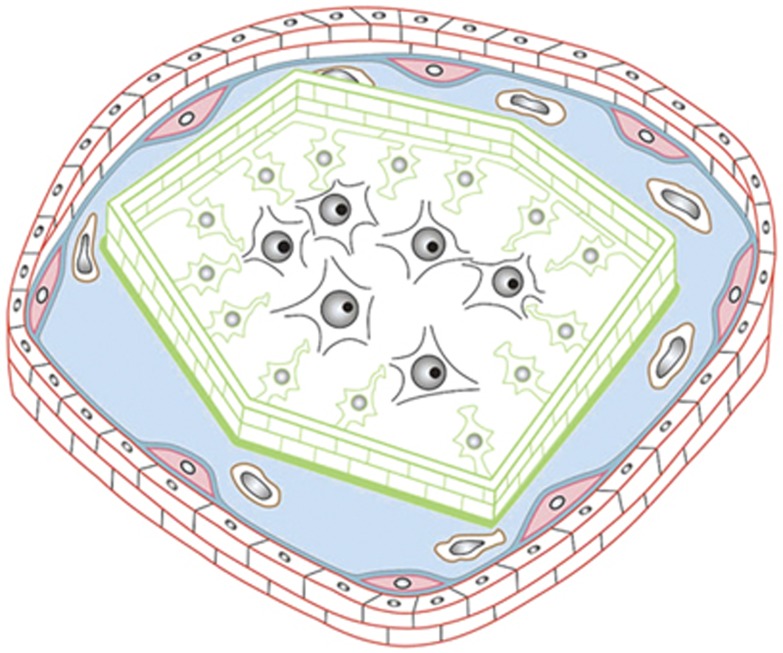
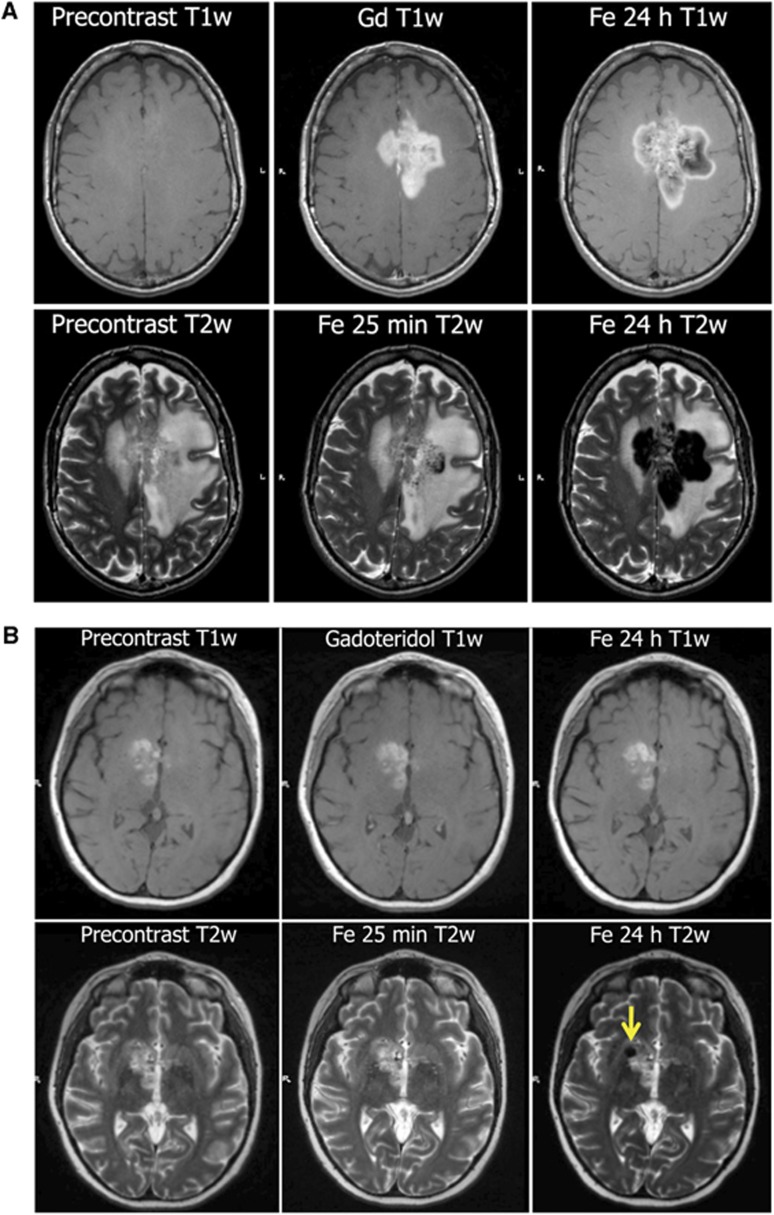
The brain is in many ways an immunologically and pharmacologically privileged site. The blood-brain barrier (BBB) of the cerebrovascular endothelium and its participation in the complex structure of the neurovascular unit (NVU) restrict access of immune cells and immune mediators to the central nervous system (CNS). In pathologic conditions, very well-organized immunologic responses can develop within the CNS, raising important questions about the real nature and the intrinsic and extrinsic regulation of this immune privilege. We assess the interactions of immune cells and immune mediators with the BBB and NVU in neurologic disease, cerebrovascular disease, and intracerebral tumors. The goals of this review are to outline key scientific advances and the status of the science central to both the neuroinflammation and CNS barriers fields, and highlight the opportunities and priorities in advancing brain barriers research in the context of the larger immunology and neuroscience disciplines. This review article was developed from reports presented at the 2011 Annual Blood-Brain Barrier Consortium Meeting.
Figures
References
-
- Alvarez JI, Cayrol R, Prat A. Disruption of central nervous system barriers in multiple sclerosis. Biochim Biophys Acta. 2011;1812:252–264. - PubMed
-
- Engelhardt B, Sorokin L. The blood-brain and the blood-cerebrospinal fluid barriers: function and dysfunction. Semin Immunopathol. 2009;31:497–511. - PubMed
-
- Neuwelt EA, Abbott NJ, Abrey L, Banks WA, Blakley B, Davis TP, et al. Strategies for advancing brain-barriers translational research. Lancet Neurol. 2008;7:84–96. - PubMed
Publication types
MeSH terms
Grants and funding
LinkOut - more resources
Full Text Sources
