Review
. 2012 Oct 18;12(4):445-57.
doi: 10.1016/j.chom.2012.10.003.

Innate lymphoid cells: balancing immunity, inflammation, and tissue repair in the intestine

Affiliations
Review

Innate lymphoid cells: balancing immunity, inflammation, and tissue repair in the intestine

Elia D Tait Wojno et al. Cell Host Microbe. .

Abstract

Innate lymphoid cells (ILCs) are a recently described group of innate immune cells that can regulate immunity, inflammation, and tissue repair in multiple anatomical compartments, particularly the barrier surfaces of the skin, airways, and intestine. Broad categories of ILCs have been defined based on transcription factor expression and the ability to produce distinct patterns of effector molecules. Recent studies have revealed that ILC populations can regulate commensal bacterial communities, contribute to resistance to helminth and bacterial pathogens, promote inflammation, and orchestrate tissue repair and wound healing. This review will examine the phenotype and function of murine and human ILCs and discuss the critical roles these innate immune cells play in health and disease.


Figures

Figure 1
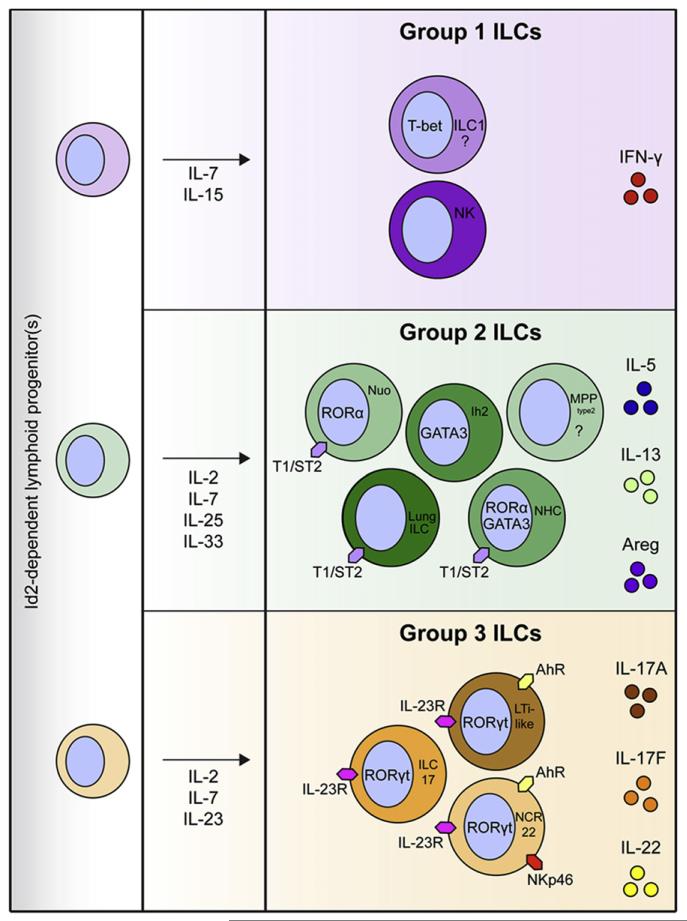
Figure 1. Murine ILC Development and Functional Heterogeneity
The ILC population can be broadly divided into classical NK cells and potentially T-bet-expressing ILCs (group 1 ILCs); GATA3-expressing ROR-α-dependent ILCs that include NHCs, nuocytes (nuo), Ih2 cells, lung ILCs, and potentially MPPtype2 cells (group 2 ILCs); and RORγt+ ILCs that include LTi-like cells, ILC17s, and NCR22 cells (group 3 ILCs). All ILCs derive from an Id2-dependent lymphoid precursor and respond to γc cytokines, which play important roles in lymphoid cell development and function. Group 1 ILCs produce IFN-γ. Group 2 ILCs express the IL-33R (T1/ST2) and respond to IL-25 and IL-33 to produce IL-5, IL-13, and Areg. RORγt+ group 3 ILCs partially depend on AhR signaling for development and function, and some express NK cell cytotoxicity receptors such as NKp46. These cells express the IL-23R, respond to IL-23, and can produce IL-17A, IL-17F, and IL-22.
Figure 2
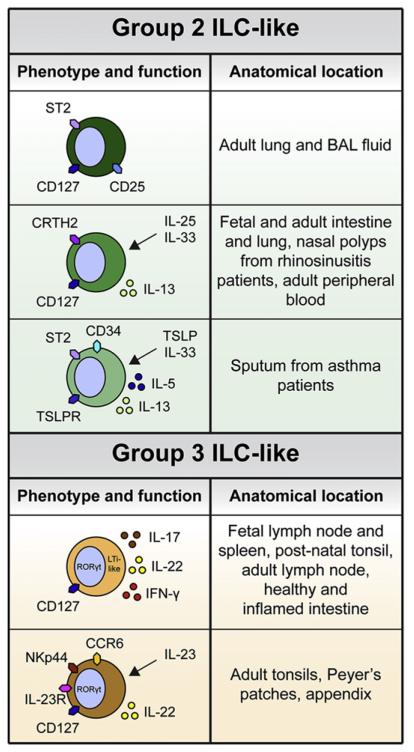
Figure 2. Phenotypic and Functional Heterogeneity of Human ILCs
Innate cells that resemble murine group 2 and group 3 ILCs have been identified in various human tissues. Group 2 ILC-like cells that express the IL-2Rα (CD25), the IL-7Rα (CD127), and the IL-33R (ST2) are found in adult lung and BAL fluid. Similar cells that express CD127 and CRTH2 and respond to IL-25 and IL-33 to produce IL-13 have been identified in adult and fetal intestine and lung, inflamed nasal polyps from rhinosinusitis patients, and adult peripheral blood. Progenitor cells that express CD34, a marker of hematopoietic stem cells, TSLPR, and ST2 are found in the sputum of asthma patients and respond to TSLP and IL-33 to produce IL-5 and IL-13. Group 3 ILC-like cells that express CD127 and RORγt, produce IL-17 and IL-22, and contribute to lymphoid organogenesis are found in the fetal and adult lymph node and spleen. Similar cells are found in the postnatal tonsil, adult lymph node, and healthy and inflamed intestine. A group 3 ILC-like NK cell subset in the adult tonsils, Peyer’s patches, and appendix expresses CD127, RORγt, the NK cell marker NKp44, the IL-23R, and the chemokine receptor CCR6, and responds to IL-23 to produce IL-22.
Figure 3
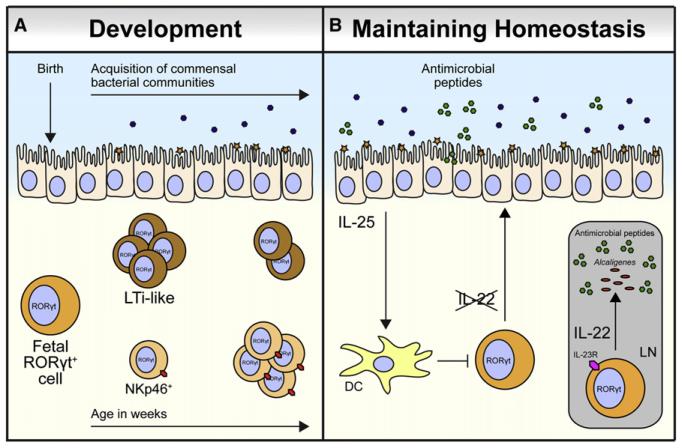
Figure 3. ILC Interactions with Commensal Bacterial Communities
(A) The population structure of RORγt+ group 3 ILCs changes dramatically after postnatal microbial colonization, with a decrease in the size of the LTi-like cell population and an increase in the size of the NKp46+ ILC population occurring after birth. (B) Colonization of mice by intestinal commensal bacterial communities promotes IL-25 production from intestinal epithelial cells. IL-25 acts on dendritic cells (DCs) that subsequently limit IL-22 production from RORγt+ group 3 ILCs in the lamina propria, thus decreasing production of IL-22-dependent antimicrobial peptides. In the GALT, IL-23-responsive IL-22-producing LTi-like cells and IL-22-dependent antimicrobial peptides are required to anatomically contain the lymph node (LN)-resident commensal species Alcaligenes xylosoxidans, which can cause systemic inflammation following dissemination.
Figure 4
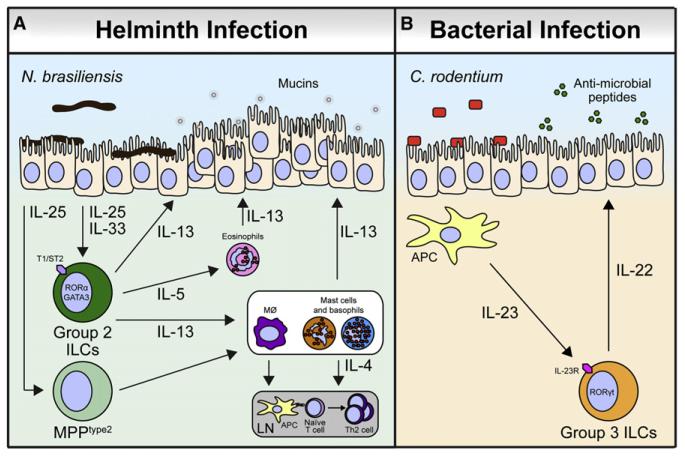
Figure 4. ILCs Mediate Immune Response to Pathogens in the Intestine
(A) During infection with the helminth parasite N. brasiliensis, epithelial cells secrete IL-25 and IL-33 that promote the accumulation of group 2 ILCs that express the IL-33R (T1/ST2) and produce IL-5 and IL-13 to promote responses from IL-4-producing mast cells and basophils. IL-4 derived from these sources and others supports the development and maintenance of Th2 cells in the draining lymph node (LN). IL-5 also recruits eosinophils that produce IL-13. IL-13 from group 2 ILCs, mast cells, basophils, and eosinophils promotes gut epithelial cell hyperplasia and mucin secretion. In addition, MPPtype2 cells respond to IL-25 from intestinal epithelial cells to induce extramedullary hematopoiesis and differentiation of macrophages, mast cells, and basophils, which support Th2 cytokine responses. Together, these mechanisms lead to helminth expulsion. (B) During infection with the enteric bacterial pathogen C. rodentium, APCs in the intestine produce IL-23. RORγt+ group 3 ILCs express the IL-23R and respond to IL-23 by secreting IL-22, which acts on epithelial cells to support production of antimicrobial peptides that limit bacterial replication.
Figure 5
Figure 5. Pro- and Anti-inflammatory Activities of ILCs
(A) In response to various allergens and the influenza A virus subtype H3N1, lung epithelial cells produce IL-25 and IL-33 that promote IL-5 and IL-13 production from lung-resident group 2 ILCs that express the IL-33R (T1/ST2). IL-5 recruits eosinophils to the tissue, and IL-13 induces pathogenic epithelial cell proliferation and contraction of smooth muscle tissue, causing allergic airway inflammation and AHR. In the intestine, in a model of H. hepaticus-induced colitis, group 3 ILCs express the IL-23R and respond to IL-23 to produce IL-17A and IFN-γ that together contribute to colitis. (B) In contrast, during infection with influenza virus A subtype H1N1, IL-33 derived from epithelial cells and macrophages promotes Areg expression from group 2 ILCs in the lung that express the IL-33R (T1/ST2), which support reparative epithelial cell proliferation. Additionally, in a model of OVA-induced AHR, lung resident RORγt+ group 3 ILCs produce IL-22 that limits the production of IL-5 and IL-13 that contributes to AHR.

References

    1. Ahern PP, Izcue A, Maloy KJ, Powrie F. The interleukin-23 axis in intestinal inflammation. Immunol. Rev. 2008;226:147–159. - PubMed
    1. Allakhverdi Z, Comeau MR, Smith DE, Toy D, Endam LM, Desrosiers M, Liu YJ, Howie KJ, Denburg JA, Gauvreau GM, Delespesse G. CD34+ hemopoietic progenitor cells are potent effectors of allergic inflammation. J. Allergy Clin. Immunol. 2009;123:472–478. - PubMed
    1. Aujla SJ, Chan YR, Zheng M, Fei M, Askew DJ, Pociask DA, Reinhart TA, McAllister F, Edeal J, Gaus K, et al. IL-22 mediates mucosal host defense against Gram-negative bacterial pneumonia. Nat. Med. 2008;14:275–281. - PMC - PubMed
    1. Barlow JL, Bellosi A, Hardman CS, Drynan LF, Wong SH, Cruickshank JP, McKenzie AN. Innate IL-13-producing nuocytes arise during allergic lung inflammation and contribute to airways hyperreactivity. J. Allergy Clin. Immunol. 2012;129:191–198. e1–e4. - PubMed
    1. Bartemes KR, Iijima K, Kobayashi T, Kephart GM, McKenzie AN, Kita H. IL-33-responsive lineage-CD25+ CD44(hi) lymphoid cells mediate innate type 2 immunity and allergic inflammation in the lungs. J. Immunol. 2012;188:1503–1513. - PMC - PubMed

Publication types

LinkOut - more resources