


Medication errors in the Middle East countries: a systematic review of the literature
- PMID: 23090705
- PMCID: PMC3621991
- DOI: 10.1007/s00228-012-1435-y
Medication errors in the Middle East countries: a systematic review of the literature
Abstract
Background: Medication errors are a significant global concern and can cause serious medical consequences for patients. Little is known about medication errors in Middle Eastern countries. The objectives of this systematic review were to review studies of the incidence and types of medication errors in Middle Eastern countries and to identify the main contributory factors involved.
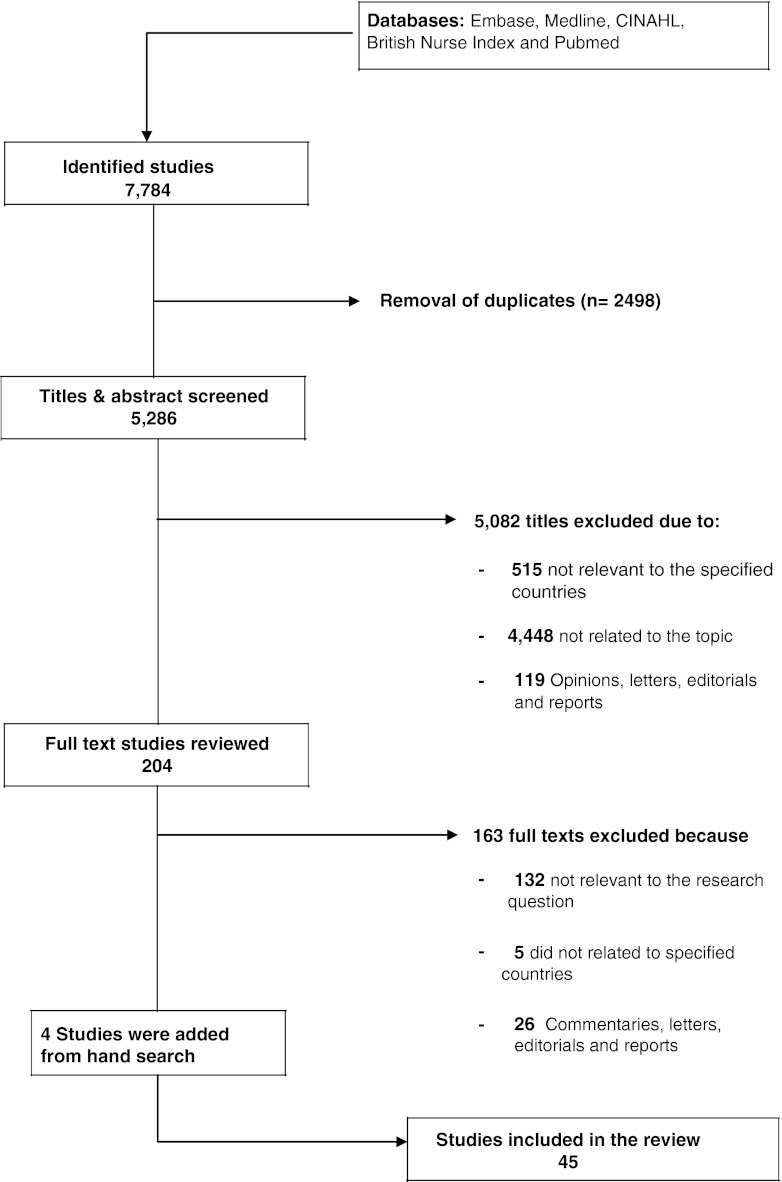
Methods: A systematic review of the literature related to medication errors in Middle Eastern countries was conducted in October 2011 using the following databases: Embase, Medline, Pubmed, the British Nursing Index and the Cumulative Index to Nursing & Allied Health Literature. The search strategy included all ages and languages. Inclusion criteria were that the studies assessed or discussed the incidence of medication errors and contributory factors to medication errors during the medication treatment process in adults or in children.
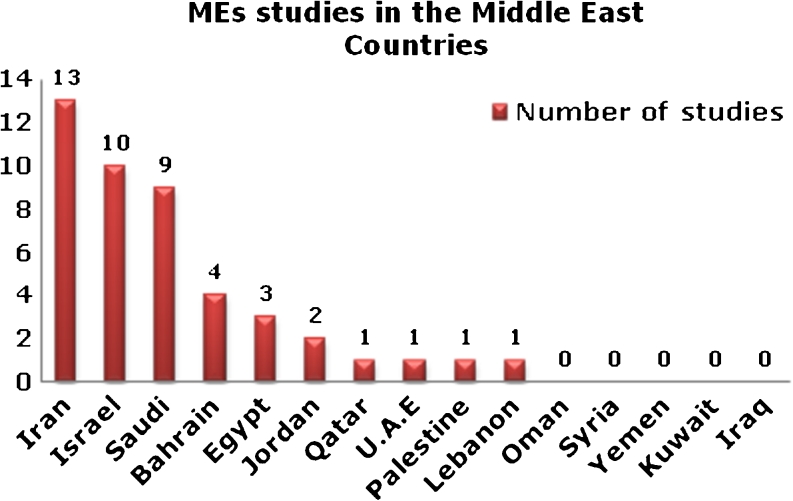
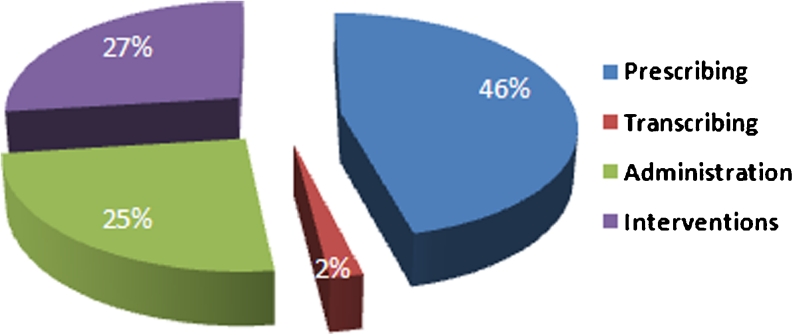
Results: Forty-five studies from 10 of the 15 Middle Eastern countries met the inclusion criteria. Nine (20 %) studies focused on medication errors in paediatric patients. Twenty-one focused on prescribing errors, 11 measured administration errors, 12 were interventional studies and one assessed transcribing errors. Dispensing and documentation errors were inadequately evaluated. Error rates varied from 7.1 % to 90.5 % for prescribing and from 9.4 % to 80 % for administration. The most common types of prescribing errors reported were incorrect dose (with an incidence rate from 0.15 % to 34.8 % of prescriptions), wrong frequency and wrong strength. Computerised physician rder entry and clinical pharmacist input were the main interventions evaluated. Poor knowledge of medicines was identified as a contributory factor for errors by both doctors (prescribers) and nurses (when administering drugs). Most studies did not assess the clinical severity of the medication errors.
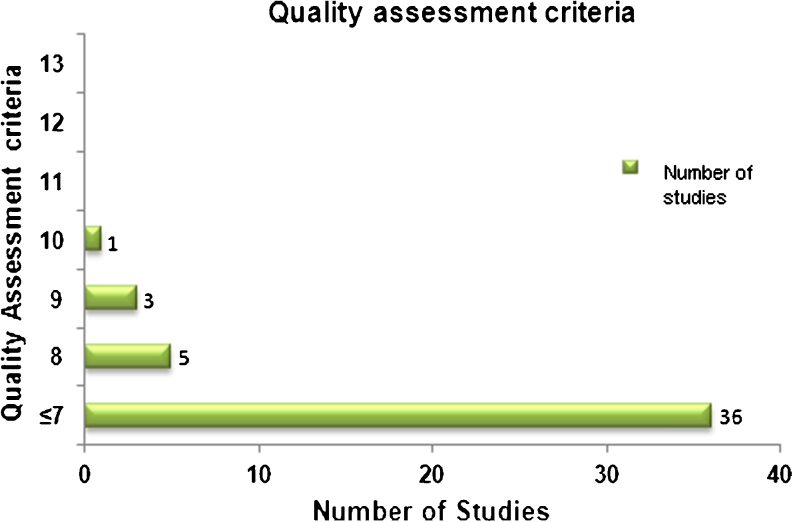
Conclusion: Studies related to medication errors in the Middle Eastern countries were relatively few in number and of poor quality. Educational programmes on drug therapy for doctors and nurses are urgently needed.
Figures
References
-
- World Bank, World Development Indicators (2007) Washington, DC
-
- Nations U. World population prospects: The 2010 Revision. New York: United Nations; 2010.
-
- International Diabetes Federation . IDF diabetes atlas. 4. Brussels: International Diabetes Federation; 2009. - PubMed
Publication types
MeSH terms
Substances
LinkOut - more resources
Full Text Sources
Medical
Miscellaneous
