Aqueous extract of Liriope platyphylla, a traditional Chinese medicine, significantly inhibits abdominal fat accumulation and improves glucose regulation in OLETF type II diabetes model rats
- PMID: 23091518
- PMCID: PMC3469846
- DOI: 10.5625/lar.2012.28.3.181
Aqueous extract of Liriope platyphylla, a traditional Chinese medicine, significantly inhibits abdominal fat accumulation and improves glucose regulation in OLETF type II diabetes model rats
Abstract
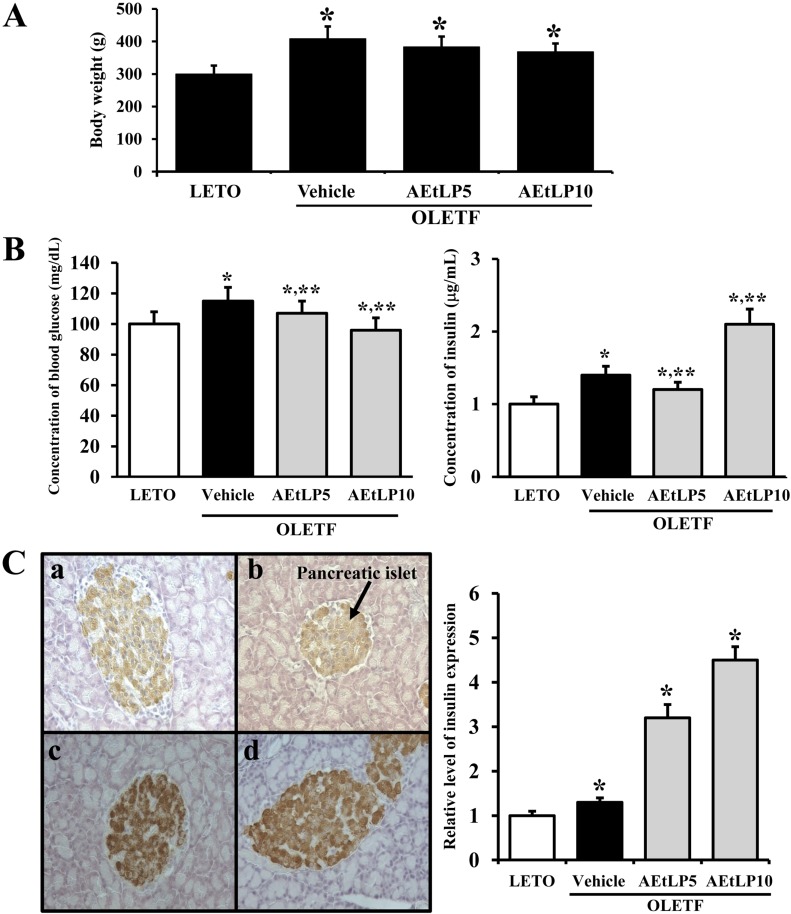
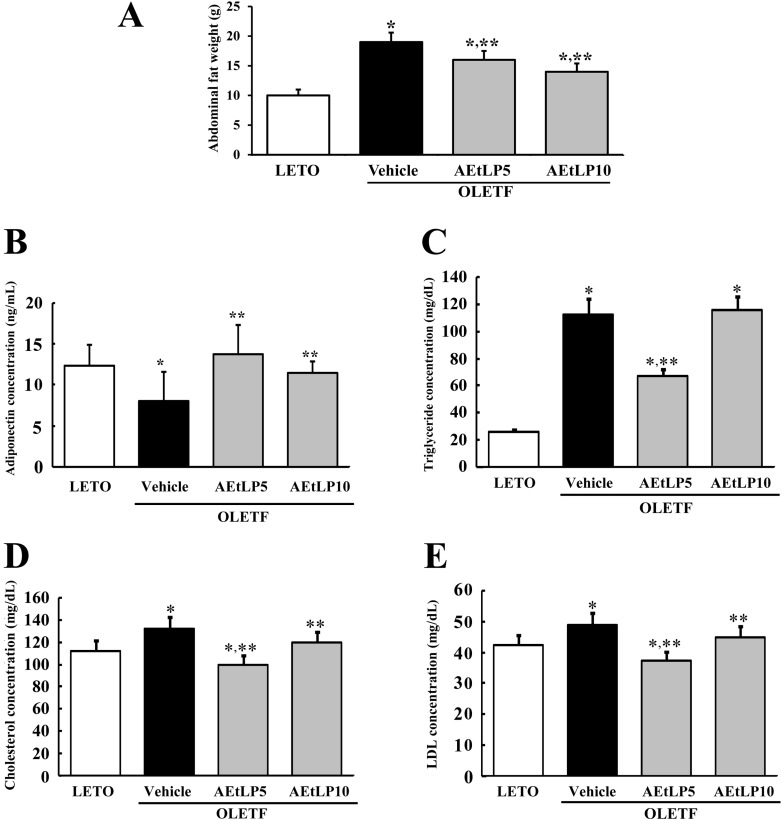
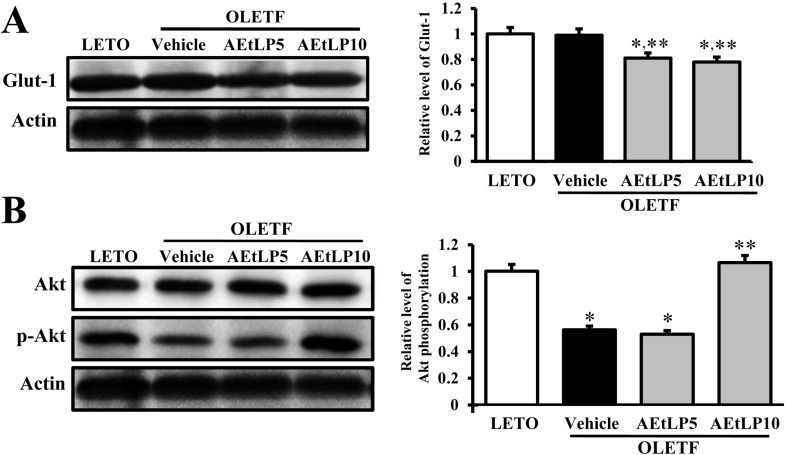
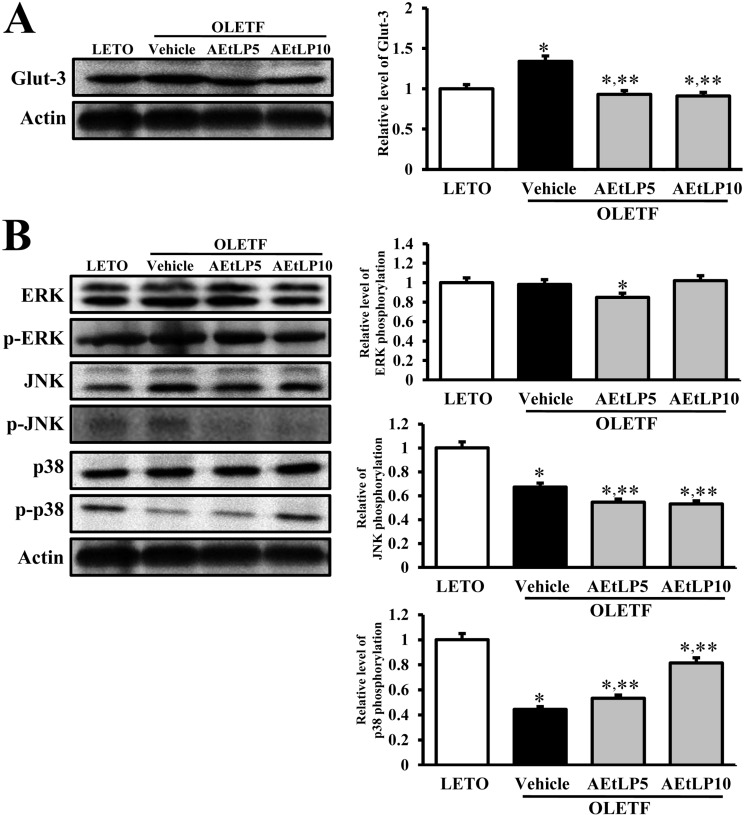
Liriope platyphylla is a medical herb that has long been used in Korea and China to treat cough, sputum, neurodegenerative disorders, obesity, and diabetes. The aims of this study were to determine the antidiabetic and antiobesity effects of aqueous extract of L. platyphylla (AEtLP) through glucose and lipid regulation in both pre-diabetes and obesity stage of type II diabetes model. Two concentrations of AEtLP were orally administrated to OLETF (Otsuka Long-Evans Tokushima Fatty) rats once a day for 2 weeks, after which changes in glucose metabolism and fat accumulation were measured. Abdominal fat mass dramatically decreased in AEtLP-treated OLETF rats, whereas glucose concentration slightly decreased in all AEtLP-treated rats. However, compared to vehicle-treated OLETF rats, only AEtLP10 (10% concentration)-treated OLETF rats displayed significant induction of insulin production, whereas AEtLP5 (5% concentration)-treated OLETF rats showed a lower level of insulin. Although serum adiponectin level increased in only AEtLP5-treated rats, significant alteration of lipid concentration was detected in AEtLP5-treated OLETF rats. Expression of Glut-1 decreased in all AEtLP-treated rats, whereas Akt phosphorylation increased only in AEtLP10-treated OLETF rats. Furthermore, the pattern of Glut-3 expression was very similar with that of Glut-1 expression, which roughly corresponded with the phosphorylation of c-Jun N-teminal kinase (JNK) and p38 in the mitogen-activated protein kinase pathway. Therefore, these findings suggest that AEtLP should be considered as a therapeutic candidate during pre-diabetes and obesity stage capable of inducing insulin secretion from pancreatic β-cells, glucose uptake in liver cells, as well as a decrease in fat and lipid accumulation.
Keywords: Liriope platyphylla; diabetes; glucose transporter; insulin; signaling pathway.
Figures
References
-
- Wild S, Roglic G, Green A, Sicree R, King H. Global prevalence of diabetes: estimates for the year 2000 and projections for 2030. Diabetes Care. 2004;27(5):1047–1053. - PubMed
-
- Idris I, Donnelly R. Sodium-glucose co-transporter-2 inhibitors: an emerging new class of oral antidiabetic drug. Diabetes Obes Metab. 2009;11(2):79–88. - PubMed
-
- Kokil GR, Rewatkar PV, Verma A, Thareja S, Naik SR. Pharmacology and chemistry of diabetes mellitus and antidiabetic drugs: a critical review. Curr Med Chem. 2010;17(35):4405–4423. - PubMed
-
- Jung M, Park M, Lee HC, Kang YH, Kang ES, Kim SK. Antidiabetic agents from medicinal plants. Curr Med Chem. 2006;13(10):1203–1218. - PubMed
-
- Prabhakar PK, Doble M. A target based therapeutic approach towards diabetes mellitus using medicinal plants. Curr Diabetes Rev. 2008;4(4):291–308. - PubMed
LinkOut - more resources
Full Text Sources
Research Materials
Miscellaneous