


Kyasanur forest disease
- PMID: 23110991
- PMCID: PMC3513490
- DOI: 10.1016/j.antiviral.2012.10.005
Kyasanur forest disease
Abstract
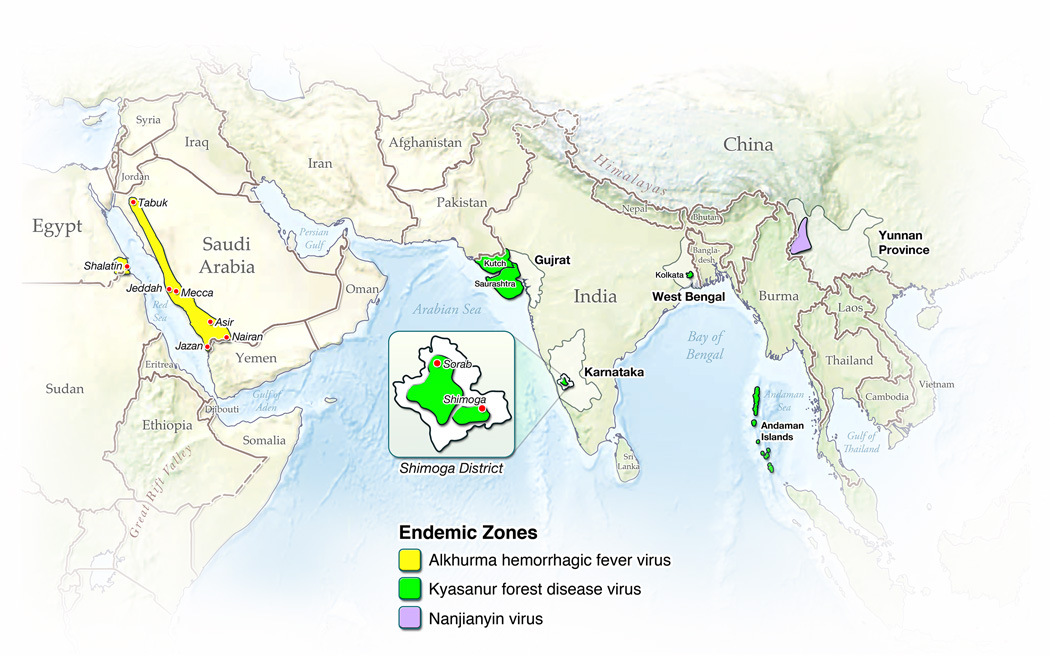
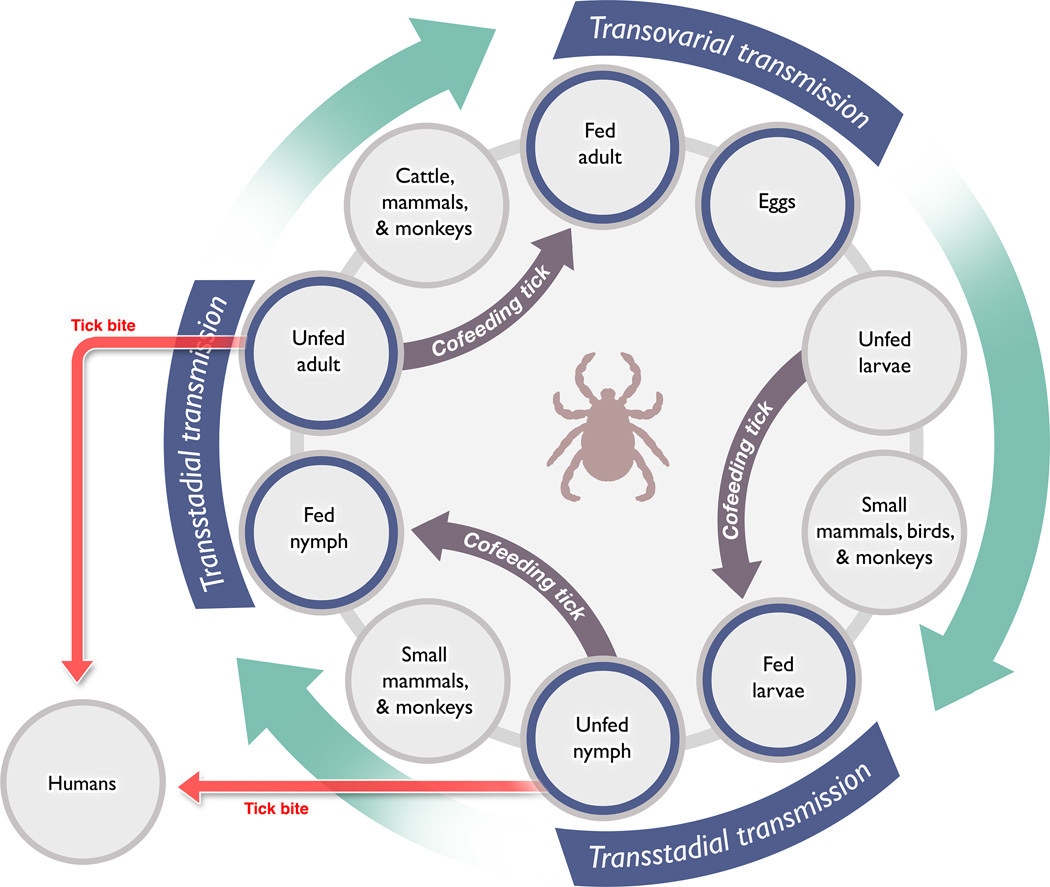
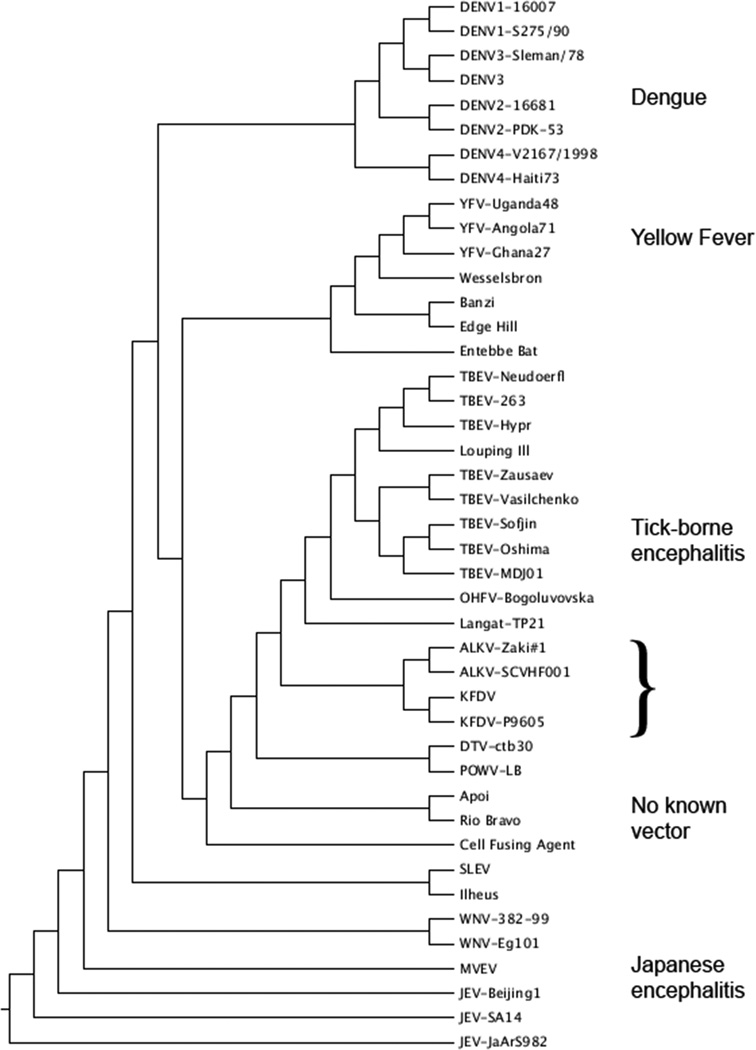
In the spring of 1957, an outbreak of severe disease was documented in people living near the Kyasanur forest in Karnataka state, India, which also affected wild nonhuman primates. Collection of samples from dead animals and the use of classical virological techniques led to the isolation of a previously unrecognized virus, named Kyasanur forest disease virus (KFDV), which was found to be related to the Russian spring-summer encephalitis (RSSE) complex of tick-borne viruses. Further evaluation found that KFD, which frequently took the form of a hemorrhagic syndrome, differed from most other RSSE virus infections, which were characterized by neurologic disease. Its association with illness in wild primates was also unique. Hemaphysalis spinigera was identified as the probable tick vector. Despite an estimated annual incidence in India of 400-500 cases, KFD is historically understudied. Most of what is known about the disease comes from studies in the late 1950s and early 1960s by the Virus Research Center in Pune, India and their collaborators at the Rockefeller Foundation. A report in ProMED in early 2012 indicated that the number of cases of KFD this year is possibly the largest since 2005, reminding us that there are significant gaps in our knowledge of the disease, including many aspects of its pathogenesis, the host response to infection and potential therapeutic options. A vaccine is currently in use in India, but efforts could be made to improve its long-term efficacy.
Copyright © 2012 Elsevier B.V. All rights reserved.
Figures
References
-
- Adhikari Prabha MR, Prabhu MG, Raghuveer CV, Bai M, Mala MA. Clinical study of 100 cases of Kyasanur Forest disease with clinical correlation. Indian J. Med. Sci. 1993;47:124–130. - PubMed
-
- Aniker SP, Work TH, Chandrasekharaiya T, Murthy DP, Rodrigues FM, Ahmed R, Kulkarni KG, Rahman SH, Mansharamani H, Prasanna HA. The administration of formalin-inactivated RSSE virus vaccine in the Kyasanur Forest disease area of Shimoga District, Mysore State. Indian J Med Res. 1962;50:147–152. - PubMed
-
- Anonymous. Ocular manifestations of Kyasanur forest disease (a clinical study) Indian journal of ophthalmology. 1983;31:700–702. - PubMed
-
- Banerjee K, Dandawate CN, Bhatt PN, Rao TR. Serological response in humans to a formolized Kyasanur Forest disease vaccine. Indian J Med Res. 1969;57:969–974. - PubMed
Publication types
MeSH terms
Substances
Grants and funding
LinkOut - more resources
Full Text Sources
