


Psychopathology in the aftermath of the Haiti earthquake: a population-based study of posttraumatic stress disorder and major depression
- PMID: 23124841
- PMCID: PMC3632660
- DOI: 10.1002/da.22007
Psychopathology in the aftermath of the Haiti earthquake: a population-based study of posttraumatic stress disorder and major depression
Abstract
Background: In the first population-based study of psychopathology conducted in Haiti, we documented earthquake-related experiences associated with risk for posttraumatic stress disorder (PTSD) and major depressive disorder (MDD) 2-4 months following the 2010 Haiti earthquake.
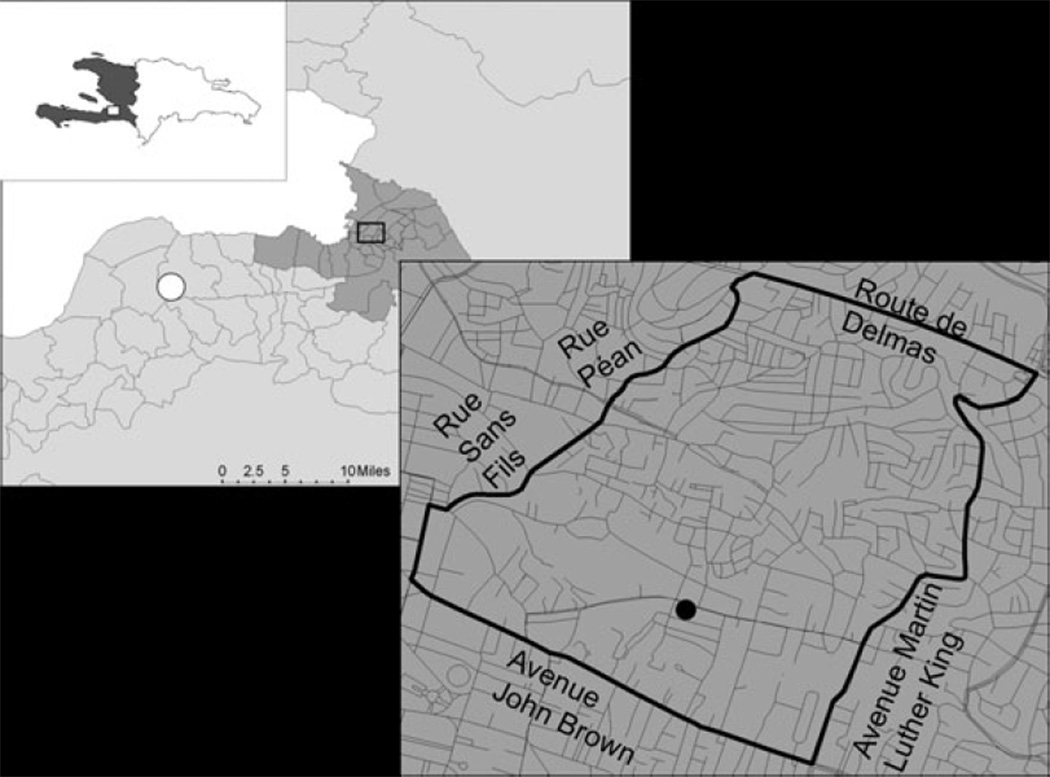
Methods: A population-based survey was conducted of 1,323 survivors randomly selected from the general nondisplaced community, internally displaced persons camps, and a community clinic. Respondents were from the Nazon area of Port-au-Prince, ∼20 miles from the epicenter.
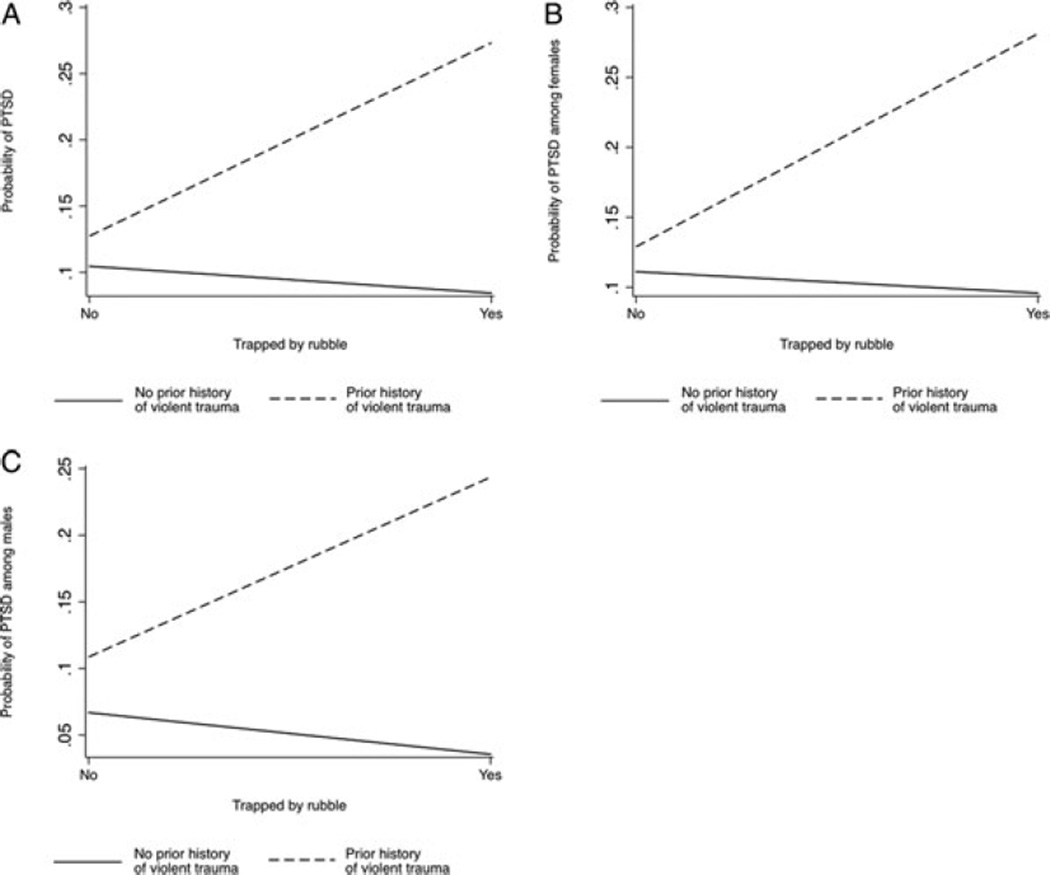
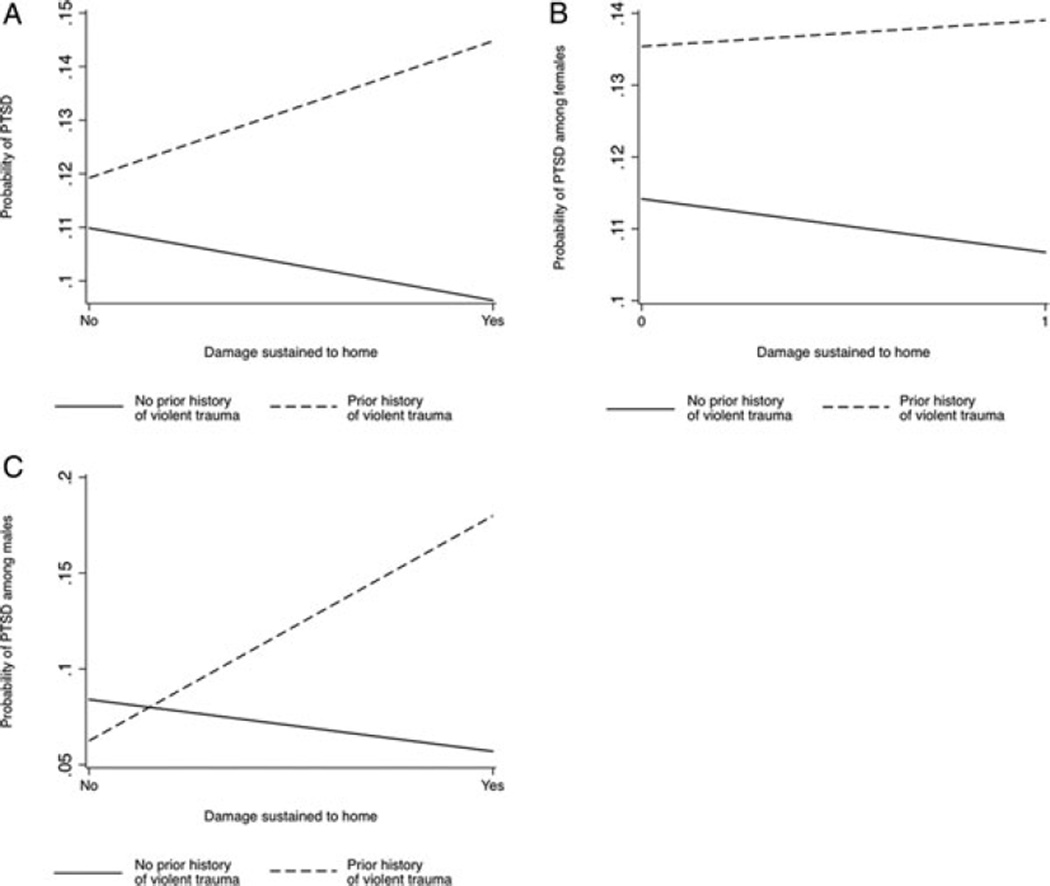
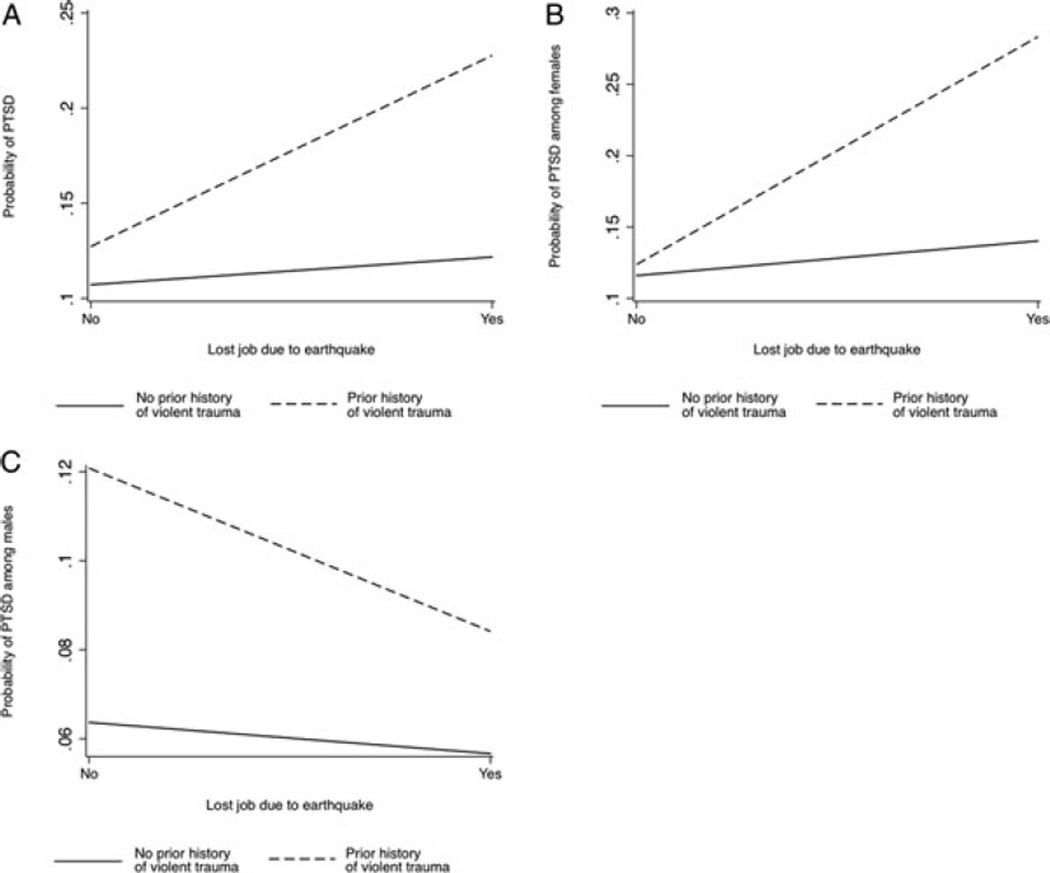
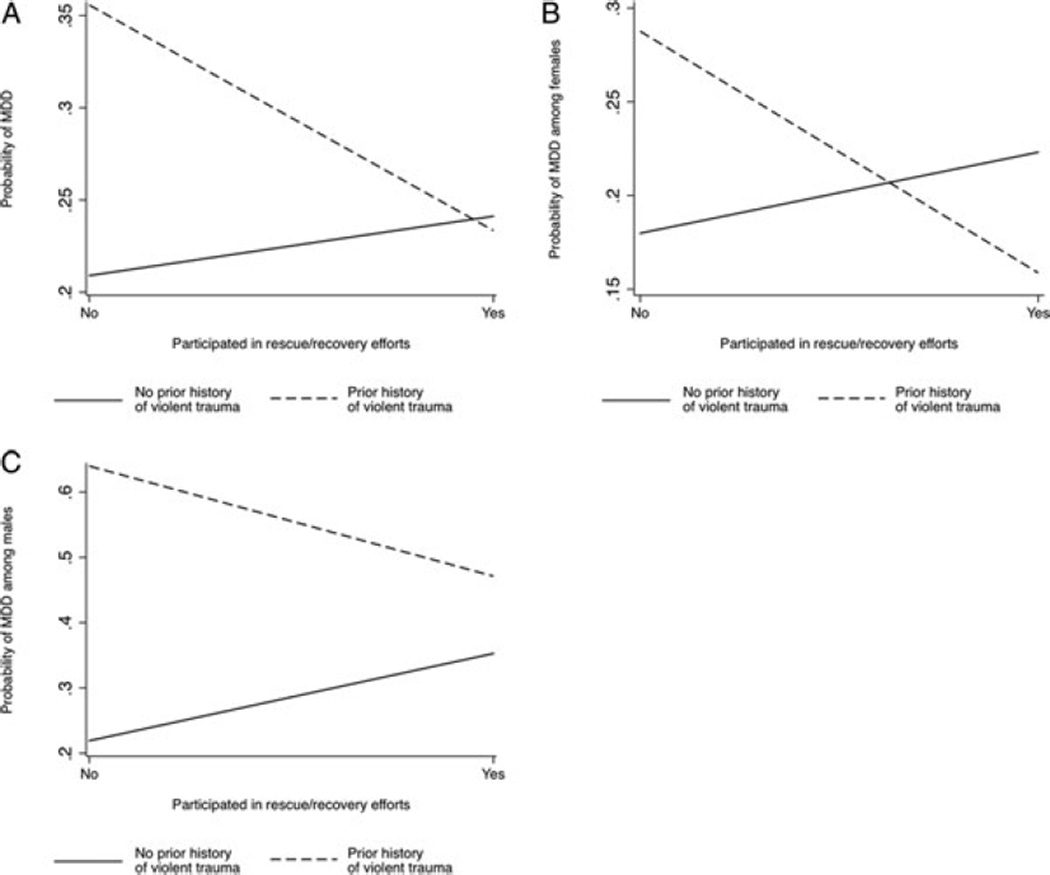
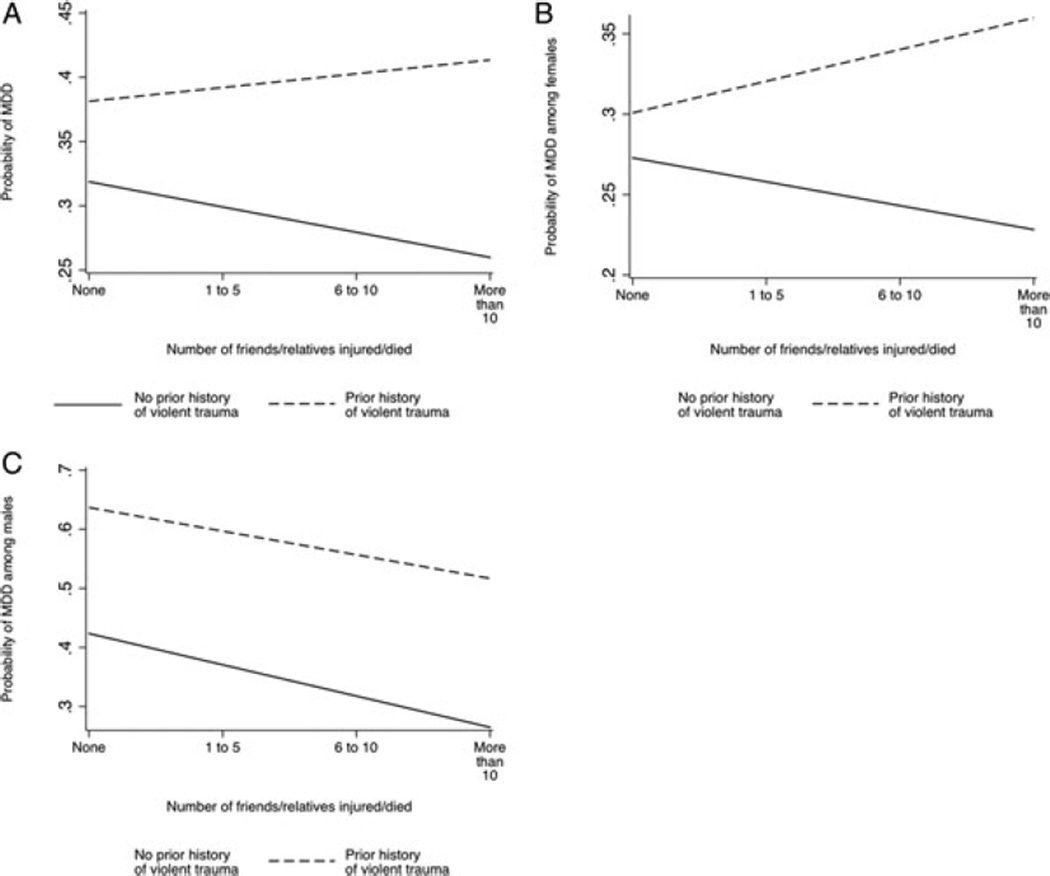
Results: Respondents (90.5%) reported at least one relative/close friend injured/killed, 93% saw dead bodies, and 20.9% lost their job post-earthquake. The prevalence of PTSD (24.6%) and MDD (28.3%) was high. History of violent trauma was associated with risk of PTSD and MDD (adjusted odds ratio [AOR] 1.4, 95% confidence interval [CI], 1.0-1.9; AOR, 1.7, 95% CI 1.3, 2.2, respectively). Low social support (AOR, 1.7, 95% CI 1.2, 2.3; AOR 1.4, 95% CI 1.0, 1.9, respectively) increased risk of PTSD and MDD among women. Suffering damage to the home increased risk of MDD in males (AOR 2.8, 95% CI 1.5, 5.5). Associations between being trapped in rubble, major damage to house, job loss, and PTSD; and participation in rescue/recovery, friends/family injured/killed, and MDD varied based on prior history of violent trauma.
Conclusions: Addressing mental health in a post-earthquake setting such as Haiti will require focusing resources on screening and treatment of identified vulnerable groups while targeting improvement of post-earthquake living conditions. Investment in sources of social support for women may make help mitigate the vulnerability of women to PTSD and MDD.
© 2012 Wiley Periodicals, Inc.
Figures
References
-
- Verner D. Making Poor Haitians Count: Poverty in Rural and Urban Haiti Based on the First Household Survey for Haiti. Washington, DC: World Bank Policy Research Working Paper Series; 2008.
-
- Kolbe AR, Hutson RA. Human rights abuse and other criminal violations in Port-au-Prince, Haiti: a random survey of households. Lancet. 2006;368(9538):864–873. - PubMed
-
- Magnitude 7.0 – HAITIREGION. United States Geological Survey. 2010 Jan 12;
-
- Norris FH, Friedman MJ, Watson PJ, et al. 60,000 disaster victims speak: Part I. An empirical review of the empirical literature, 1981–2001. Psychiatry. 2002;65(3):207–239. - PubMed
-
- Norris FH, Friedman MJ, Watson PJ. 60,000 disaster victims speak: Part II. Summary and implications of the disaster mental health research. Psychiatry. 2002;65(3):240–260. - PubMed
Publication types
MeSH terms
Grants and funding
LinkOut - more resources
Full Text Sources
Medical
