. 2013 Jan;39(1):11-8.
doi: 10.1097/SHK.0b013e3182749f96.

Interleukin-22 modulates gut epithelial and immune barrier functions following acute alcohol exposure and burn injury

Affiliations

Interleukin-22 modulates gut epithelial and immune barrier functions following acute alcohol exposure and burn injury

Juan L Rendon et al. Shock. 2013 Jan.

Abstract

Interleukin-22 (IL-22) maintains gut epithelial integrity and expression of antimicrobial peptides Reg3β and Reg3γ. Our laboratory has shown that acute alcohol/ethanol (EtOH) exposure before burn injury results in increased gut permeability, intestinal T-cell suppression, and enhanced bacterial translocation. Herein, we determined the effect of combined EtOH intoxication and burn injury on intestinal levels of IL-22 as well as Reg3β and Reg3γ expression. We further examined whether in vivo restitution of IL-22 restores gut permeability, Reg3β and Reg3γ levels, and bacterial load (e.g., gut bacterial growth) within the intestine after EtOH and burn injury. Male mice, ∼25g, were gavaged with EtOH (2.9 mg/kg) before receiving a ∼12.5% total-body-surface-area, full-thickness burn. Mice were immediately treated with saline control or IL-22 (1 mg/kg) by i.p. injection. One day after injury, there was a significant decrease in intestinal IL-22, Reg3β, and Reg3γ expression along with an increase in intestinal permeability and gut bacterial load after EtOH combined with burn injury, as compared with sham injury. Treatment with IL-22 normalized Reg3β and Reg3γ expression and attenuated the increase in intestinal permeability after EtOH and burn injury. Qualitatively, IL-22 treatment reduced the bacterial load in nearly half of mice receiving EtOH combined with burn injury. Our data indicate that IL-22 maintains gut epithelial and immune barrier integrity after EtOH and burn injury; thus, the IL-22/antimicrobial peptide pathway may provide a therapeutic target for the treatment of patients who sustain burn injury under the influence of EtOH.


Conflict of interest statement

Disclosures:

The authors have no financial conflict of interest.

Figures
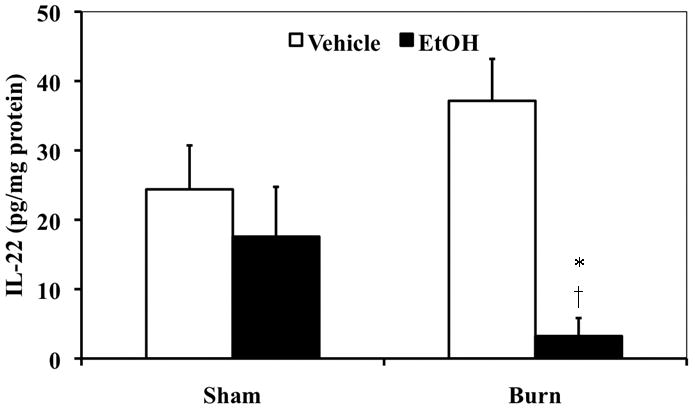
Figure 1
Figure 1. Intestinal tissue IL-22 is decreased following EtOH and burn injury
One day post insult, terminal small intestines were collected and equal weights of tissue (100 mg) from each experimental group were suspended in 1 mL of a buffer (PBS containing protease inhibitor cocktail) and sonicated. Homogenates were cleared by centrifugation and supernatants were analyzed for IL-22 by ELISA (IL-22 ELISA Kits, R&D Systems). IL-22 levels were normalized to protein levels. Values shown as mean + SEM, n=6–9 animals/group from two independent experiments. *, p=0.0381 as compared with sham vehicle by Student’s t test with Welch correction;†, p<0.01 as compared with burn vehicle by ANOVA with Tukey’s post-hoc test.
Figure 2
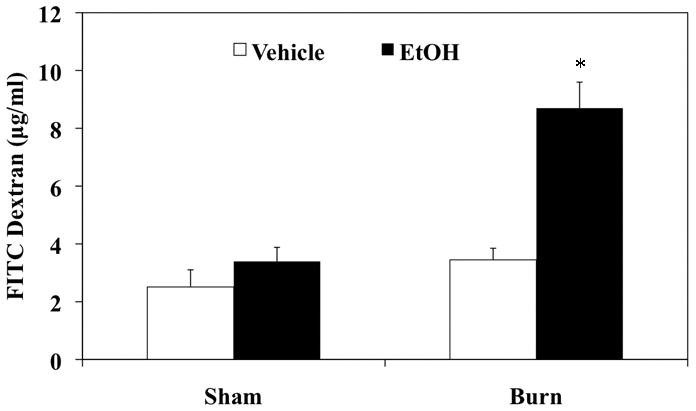
Figure 2. Increased gut permeability one day post EtOH exposure and burn injury
Intestinal permeability was determined by monitoring the transfer of FITC-dextran from the isolated intestinal lumen to the systemic circulation, blood was drawn by cardiac puncture 90 min after FITC-dextran injection. Values shown as mean + SEM, n=4–5 animals/group. *, p<0.01 as compared to all groups by ANOVA with Tukey’s post-hoc test.
Figure 3
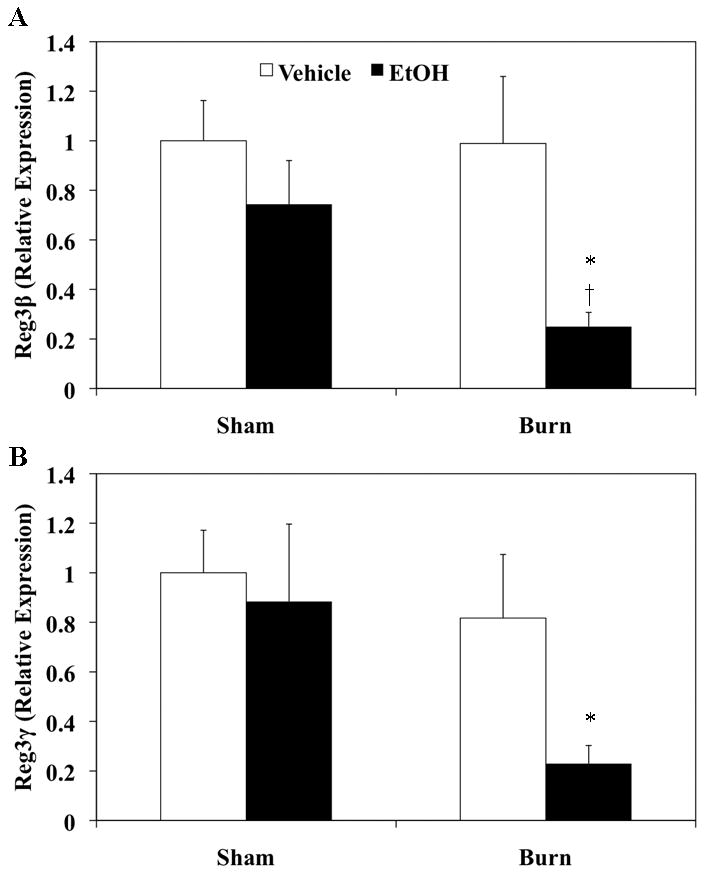
Figure 3. Decreased intestinal AMP expression one day post EtOH and burn injury
Small intestine was harvested and equal weights of tissue (25 mg) from each experimental group were used for RNA extraction using the Qiagen RNeasy Mini Kit. Reg3β, Reg3γ and GAPDH were measured by qRT-PCR using specific probes. AMP expression was normalized to GAPDH expression via the ΔΔCT method. Values shown as mean + SEM, n=3–10 animals/group from two independent experiments. *, p<0.05 as compared to sham vehicle;†, p<0.05 as compared to burn vehicle by ANOVA with Tukey’s post-hoc test.
Figure 4
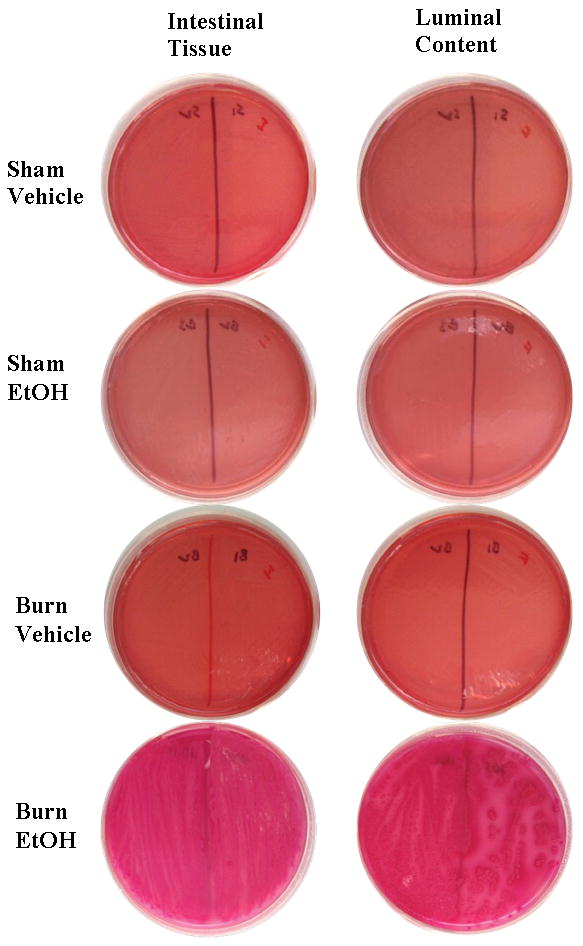
Figure 4. Increased Gram-negative bacterial growth one day after EtOH exposure and burn injury
One cm-long segments of small intestine were aseptically removed, cleaned and rinsed in sterile PBS. Tissues were weighed and homogenized in sterile PBS (10 μl/mg tissue weight). Separately, fecal luminal content was harvested from terminal small intestine, weighed and resuspended in PBS (40 μl/mg fecal luminal content weight). 25 μl of the suspension containing 2.5 mg intestinal tissue or 0.625 mg fecal luminal content were plated and cultured on MacConkey agar for the analysis of Gram-negative bacteria, for 24 h at 37°C. Following incubation, plates were assessed for bacterial colony forming units (CFUs) and photographed. Pictures are representative of n=5–9 animals/group.
Figure 5
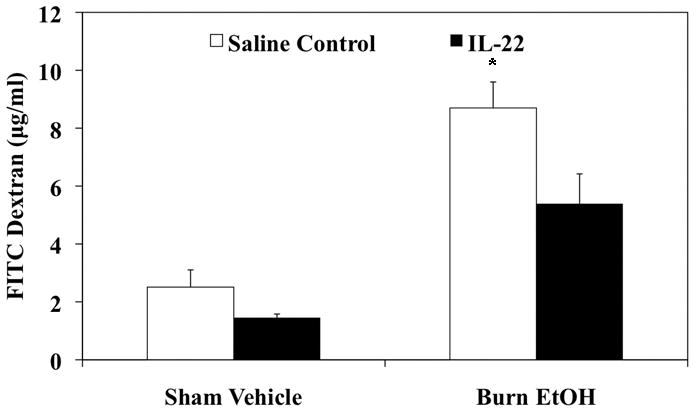
Figure 5. IL-22 treatment prevents increased gut permeability
In a group of sham vehicle and burn EtOH animals, IL-22 (1 mg/kg body weight) was injected immediately after injury. One day after EtOH and burn injury, intestinal permeability was determined by monitoring the transfer of FITC-dextran from the isolated intestinal lumen to the systemic circulation, blood was drawn by cardiac puncture 90 min after FITC-dextran injection. Values shown as mean + SEM, n=4–6 animals/group. *, p<0.05 as compared to all groups by ANOVA with Tukey’s post-hoc test.
Figure 6
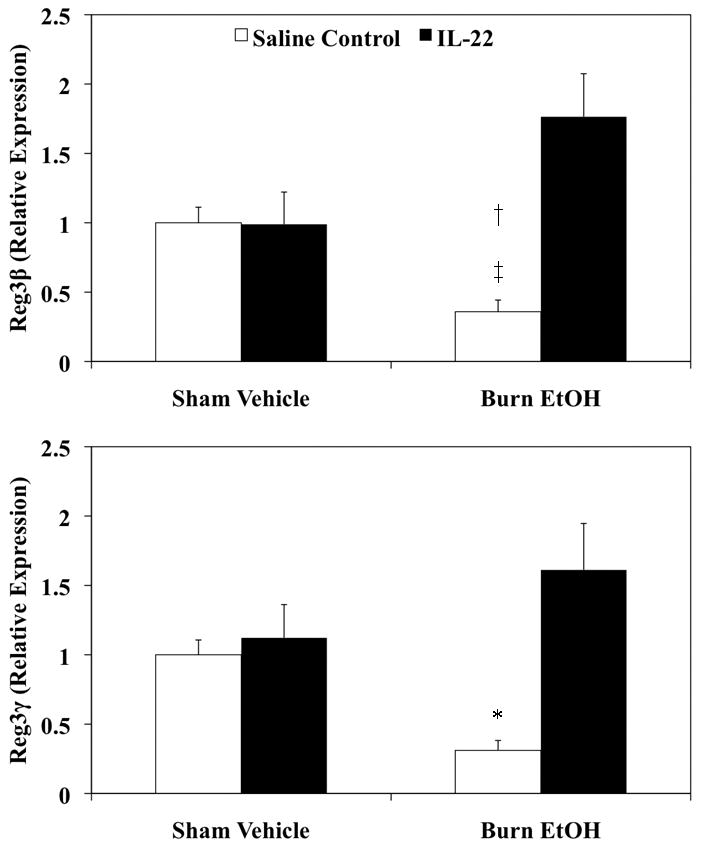
Figure 6. Treatment with IL-22 prevents the decrease in intestinal AMP expression one day post EtOH exposure and burn injury
Day one after injury and IL-22 treatment, small intestine was harvested and equal weights of tissue (25 mg) from each experimental group were used for RNA extraction using the Qiagen RNeasy Mini Kit. Reg3β, Reg3γ and GAPDH were measured by qRT-PCR using specific probes. AMP expression was normalized to GAPDH expression via the ΔΔCT method. Values shown as mean + SEM, n=4–14 animals/group from three independent experiments. *, p<0.05 as compared to all groups;†, p<0.05 as compared to sham vehicle + saline control;‡, p<0.001 as compared to burn EtOH + IL-22 by ANOVA with Tukey’s post-hoc test.
Figure 7
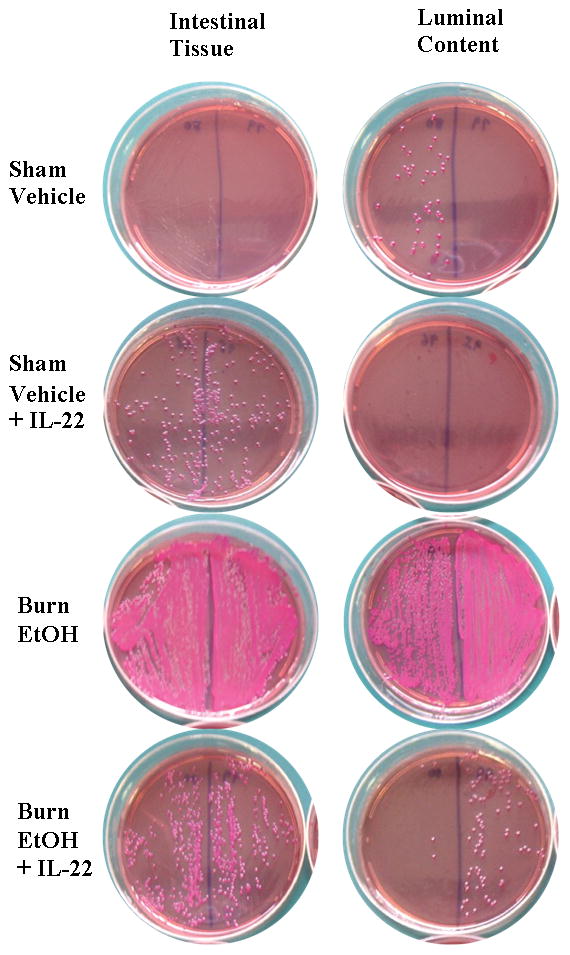
Figure 7. IL-22 treatment prevents increased Gram-negative bacterial growth in the intestine
One day post injury and IL-22 treatment, a 1-cm-long segment of small intestine was aseptically removed, cleaned weighed and homogenized in sterile PBS (10 μl/mg tissue weight). Separately, fecal luminal content was harvested from terminal small intestine, weighed and resuspended in PBS (40 μl/mg fecal luminal content weight). 25 μl of the suspension containing 2.5 mg intestinal tissue or 0.625 mg fecal luminal content were plated and cultured on MacConkey agar for the analysis of Gram-negative bacteria, for 24 h at 37°C. Following incubation, plates were assessed for bacterial colony forming units (CFUs) and photographed. Pictures are representative of n=5–8 animals/group.

References

    1. Sonnenberg GF, Fouser LA, Artis D. Border patrol: regulation of immunity, inflammation and tissue homeostasis at barrier surfaces by IL-22. Nat Immunol. 2011;12:383–390. - PubMed
    1. Kolls JK, McCray PB, Jr, Chan YR. Cytokine-mediated regulation of antimicrobial proteins. Nat Rev Immunol. 2008;8:829–835. - PMC - PubMed
    1. Zheng Y, Valdez PA, Danilenko DM, Hu Y, Sa SM, Gong Q, Abbas AR, Modrusan Z, Ghilardi N, de Sauvage FJ, et al. Interleukin-22 mediates early host defense against attaching and effacing bacterial pathogens. Nat Med. 2008;14:282–289. - PubMed
    1. Cash HL, Whitham CV, Behrendt CL, Hooper LV. Symbiotic bacteria direct expression of an intestinal bactericidal lectin. Science. 2006;313:1126–1130. - PMC - PubMed
    1. American Burn Association. Burn incidence and treatment in the US: 2007 fact sheet. 2010. 2007

Publication types

MeSH terms