Review
. 2013 Feb;17(1):90-101.
doi: 10.1016/j.cbpa.2012.10.034. Epub 2012 Nov 10.

Photocrosslinking approaches to interactome mapping

Affiliations
Review

Photocrosslinking approaches to interactome mapping

Nam D Pham et al. Curr Opin Chem Biol. 2013 Feb.

Abstract

Photocrosslinking approaches can be used to map interactome networks within the context of living cells. Photocrosslinking methods rely on use of metabolic engineering or genetic code expansion to incorporate photocrosslinking analogs of amino acids or sugars into cellular biomolecules. Immunological and mass spectrometry techniques are used to analyze crosslinked complexes, thereby defining specific interactomes. Because photocrosslinking can be conducted in native, cellular settings, it can be used to define context-dependent interactions. Photocrosslinking methods are also ideally suited for determining interactome dynamics, mapping interaction interfaces, and identifying transient interactions in which intrinsically disordered proteins and glycoproteins engage. Here we discuss the application of cell-based photocrosslinking to the study of specific problems in immune cell signaling, transcription, membrane protein dynamics, nucleocytoplasmic transport, and chaperone-assisted protein folding.


Figures

Figure 1
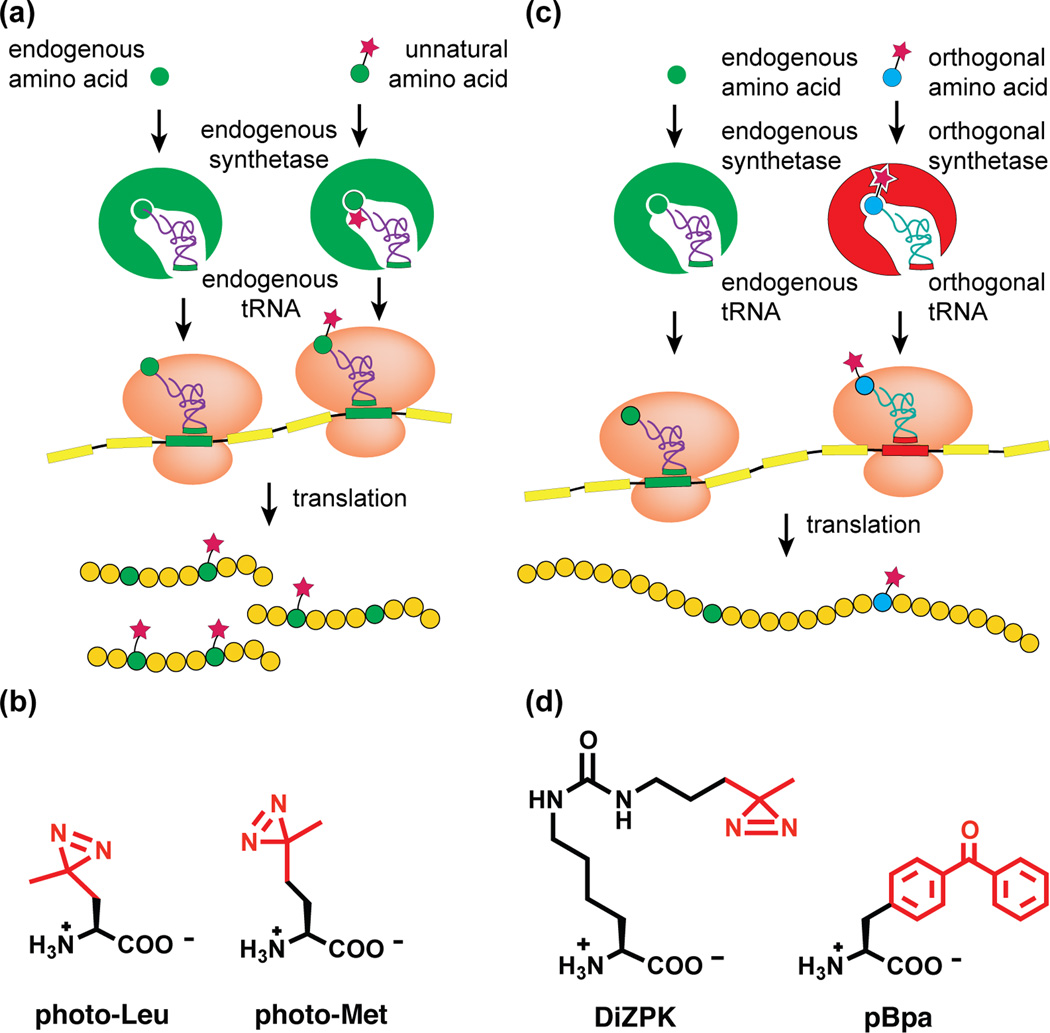
Figure 1. Methods for incorporating photocrosslinking amino acids
(a) Residue-specific incorporation of photocrosslinking amino acids relies on endogenous tRNA synthetases that accept an unnatural amino acid whose shape is similar to a natural amino acid. tRNA synthetases charge their cognate tRNAs with unnatural amino acids, which then are incorporated into proteins in place of the natural amino acid. (b) Structures of metabolically incorporated photocrosslinking amino acids. Both contain an alkyl diazirine photocrosslinking group (red). (c) Genetically encoded photocrosslinkers are site-specifically incorporated into proteins using stop codon suppression. This method requires an exogenous, engineered orthogonal tRNA/tRNA synthetase pair. (d) Structures of genetically encoded photocrosslinking amino acids. DiZPK contains an alkyl diazirine (red) and pBpa contains a benzophenone (red).
Figure 2
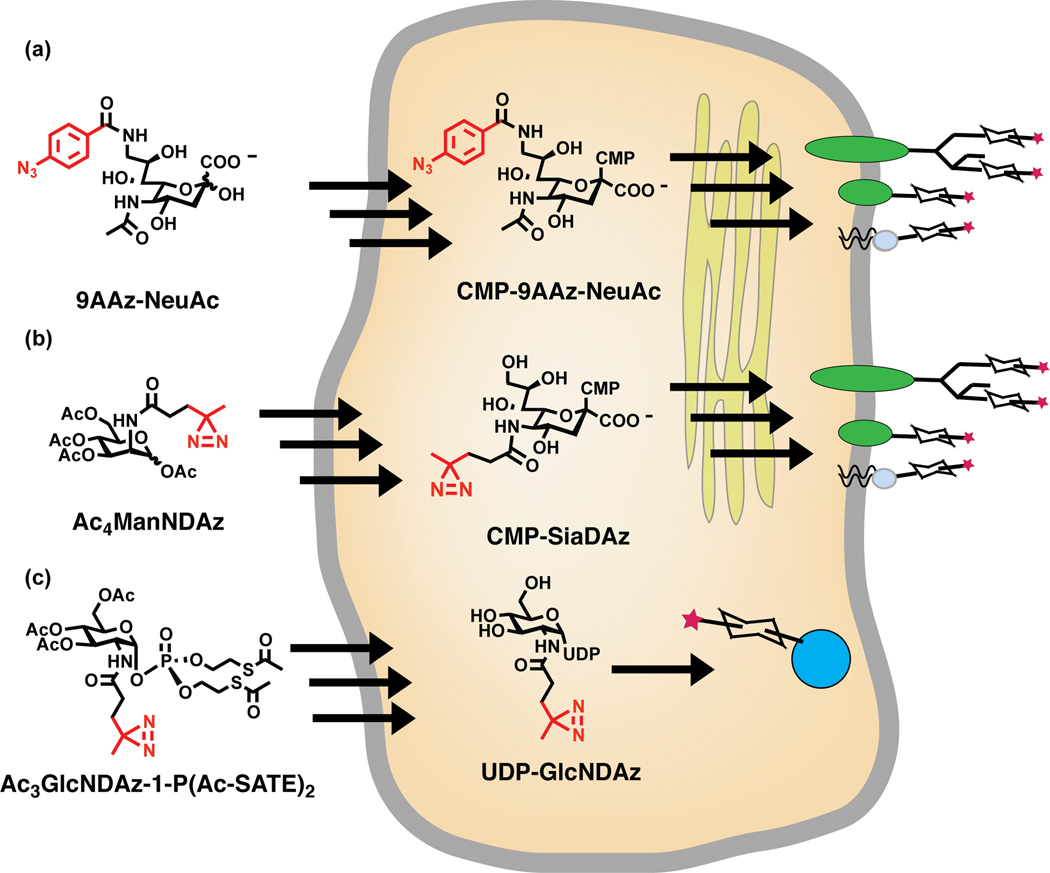
Figure 2. Metabolic incorporation of photocrosslinking sugars
(a) 9AAzNeuAc is a photocrosslinking analog of sialic acid. The aryl azide crosslinker is shown in red. Cells are cultured with 9AAzNeuAc, which enters cells and is activated to CMP-9AAzNeuAc by endogenous enzymes. CMP-9AAzNeuAc is transported into the secretory pathway where endogenous sialyltransferases transfer 9AAzNeuAc onto glycoproteins. Although there is currently no direct evidence, it is likely that 9AAzNeuAc is also transferred onto glycolipids. (b) SiaDAz is another photocrosslinking analog of sialic acid. The alkyl diazirine crosslinker is shown in red. Cells cultured with a cell-permeable precursor to SiaDAz, Ac4ManNDAz, use endogenous enzymes to metabolize this compound to CMP-SiaDAz. CMP-SiaDAz is transported into the secretory pathway where endogenous sialyltransferases transfer SiaDAz to glycoproteins and glycolipids. (c) GlcNDAz is a photocrosslinking analog of GlcNAc, containing an alkyl diazirine photocrosslinker (red). Cells are cultured with a cell-permeable analog of GlcNDAz-1-P, which is converted to UDP-GlcNDAz by intracellular enzymes. The endogenous O-GlcNAc transferase (OGT) transfers GlcNDAz to serines and threonines of nucleocytoplasmic proteins. More detail given in Figure 5.
Figure 3
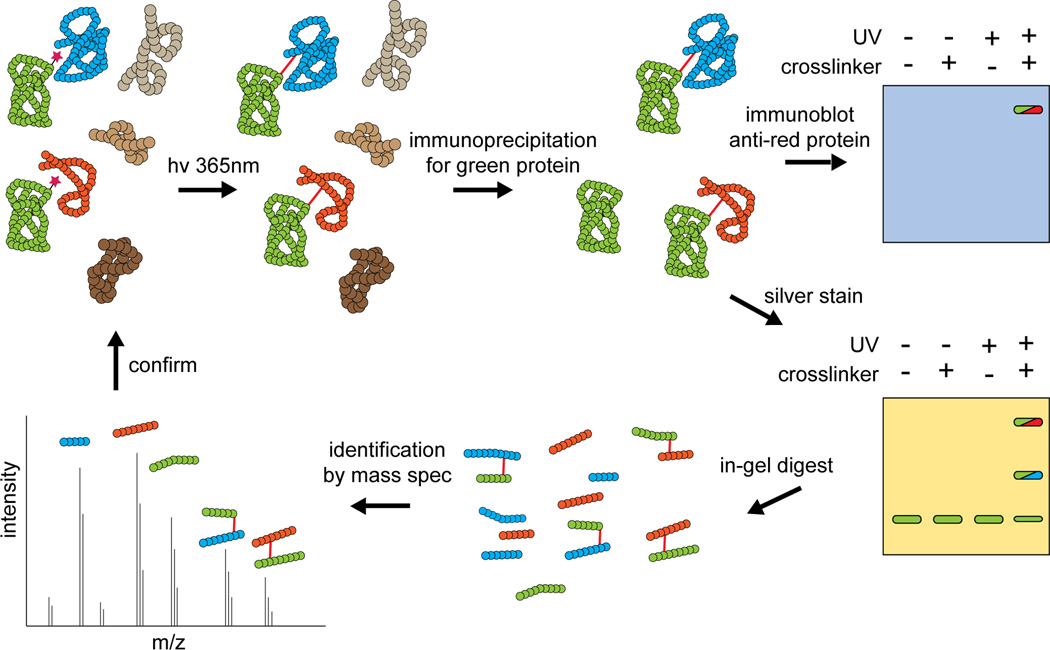
Figure 3. Interactome discovery by mass spectrometry-assisted photocrosslinking analysis
Following UV-induced crosslinking, a target protein of interest and its crosslinked complexes are isolated by immunopurification. The covalent bond crosslink maintains interaction complexes, even under stringent washing conditions. Crosslinking to candidate interaction partners can be assessed by immunoblot. Alternatively, a candidate list can be generated by performing mass spectrometry on crosslinked material. Candidates identified by mass spectreometry must be verified by additional crosslinking experiments.
Figure 4
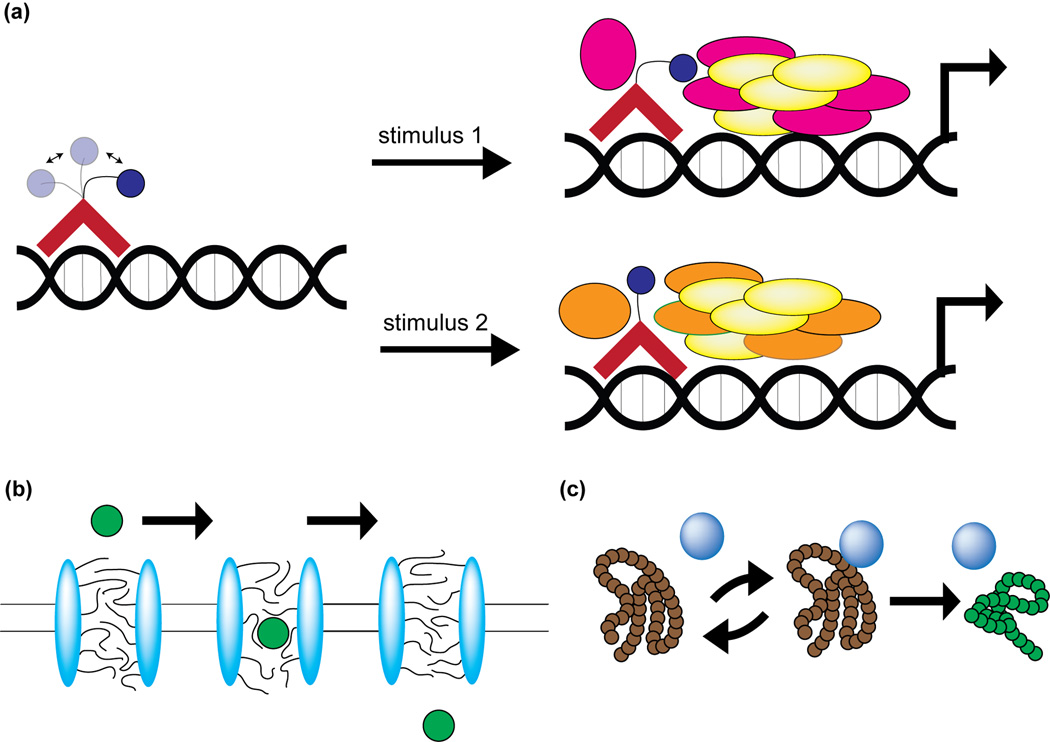
Figure 4. Transient, dynamic interactions are fundamental to cellular biology
(a) Activation domains of transcription factors tend to be intrinsically disordered. This flexibility allows the activation domain to interact with different co-activators under different stimuli. (b) FG repeats of the nuclear pore complex form a dynamic sieve that acts as a gateway between the nucleoplasm and the cytoplasm. (c) Molecular chaperones undergo multiple interaction cycles with unfolded proteins. This process is critical for proper folding of nascent proteins and also of misfolded proteins that appear during times of stress.
Figure 5
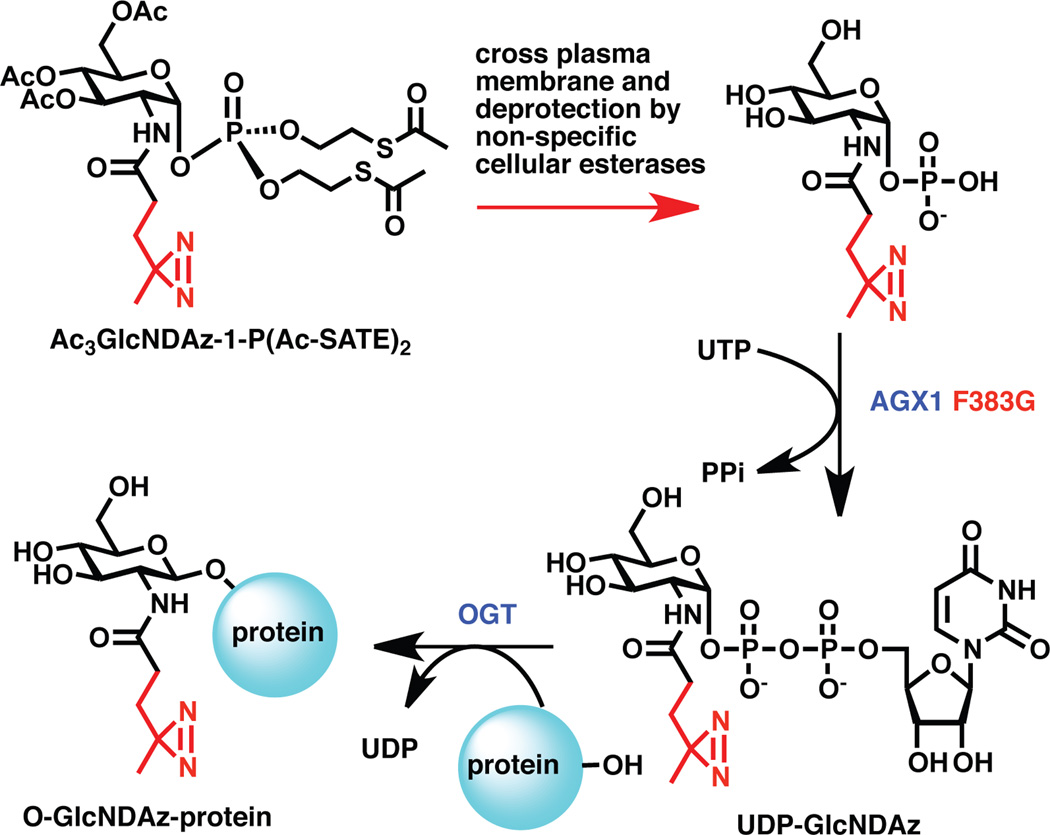
Figure 5. Production of O-GlcNDAz requires chemical synthesis and enzyme engineering
Diazirine-modified, cell-permeable GlcNAc-1-P (Ac3GlcNDAz-1-P(Ac-SATE)2) is prepared synthetically and added to cultured cells, which remove the protecting groups. The deprotected compound is converted to UDP-GlcNDAz by the action of a mutant form of AGX1. OGT transfers GlcNDAz from UDP-GlcNDAz to substrate proteins.

References

    1. Stumpf MP, Thorne T, de Silva E, Stewart R, An HJ, Lappe M, Wiuf C. Estimating the size of the human interactome. Proc. Natl. Acad. Sci. U. S. A. 2008;105:6959–6964. - PMC - PubMed
    1. Venkatesan K, Rual JF, Vazquez A, Stelzl U, Lemmens I, Hirozane-Kishikawa T, Hao T, Zenkner M, Xin X, Goh KI, et al. An empirical framework for binary interactome mapping. Nat. Methods. 2009;6:83–90. - PMC - PubMed
    1. Charbonnier S, Gallego O, Gavin AC. The social network of a cell: recent advances in interactome mapping. Biotechnol. Annu. Rev. 2008;14:1–28. - PubMed
    1. Garner AL, Janda KD. Protein-protein interactions and cancer: targeting the central dogma. Curr. Top. Med. Chem. 2011;11:258–280. - PubMed
    1. Tanaka Y, Bond MR, Kohler JJ. Photocrosslinkers illuminate interactions in living cells. Mol. Biosyst. 2008;4:473–480. - PubMed

Publication types