


Substrate specificity of Pasteurella multocida toxin for α subunits of heterotrimeric G proteins
- PMID: 23150526
- PMCID: PMC3545528
- DOI: 10.1096/fj.12-213900
Substrate specificity of Pasteurella multocida toxin for α subunits of heterotrimeric G proteins
Abstract
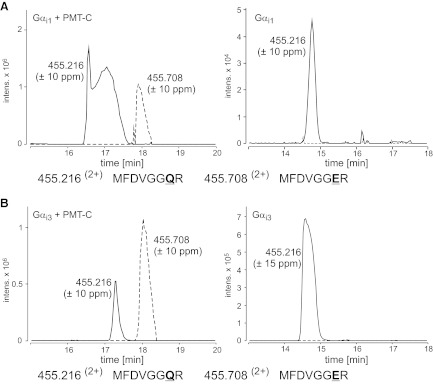
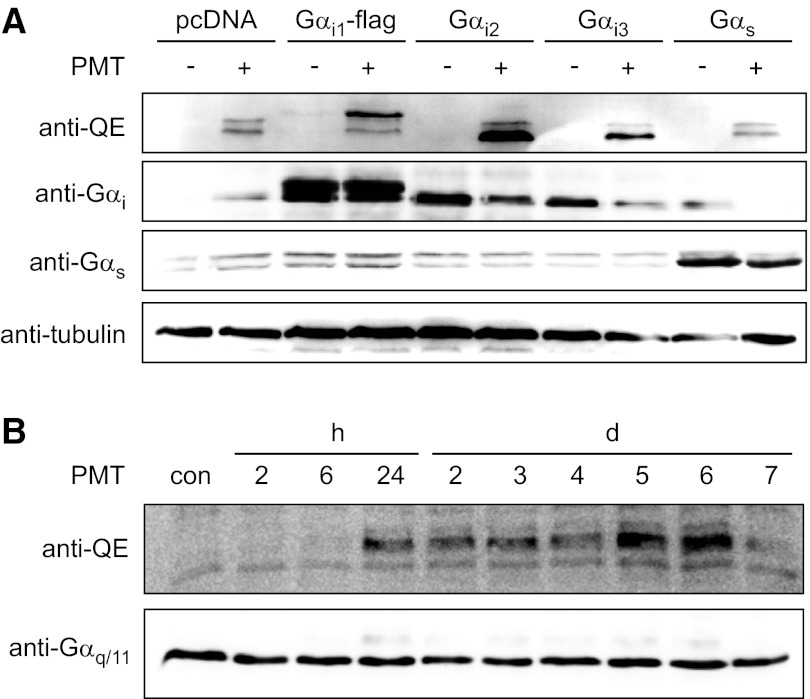
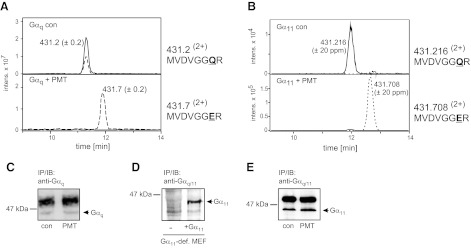
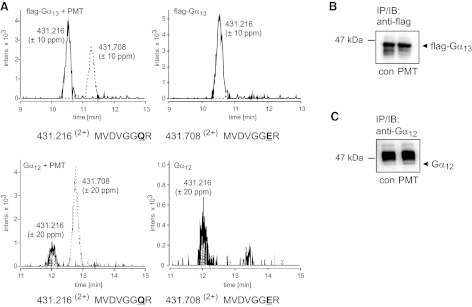
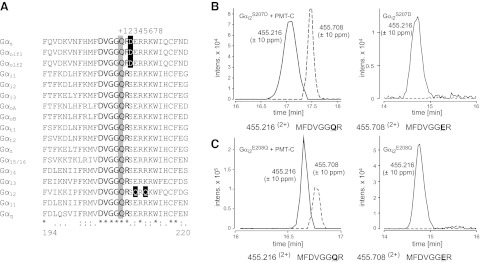
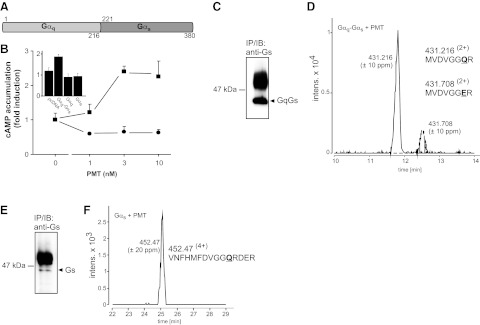
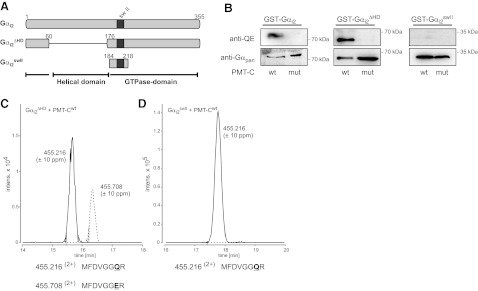
Pasteurella multocida is the causative agent of a number of epizootic and zoonotic diseases. Its major virulence factor associated with atrophic rhinitis in animals and dermonecrosis in bite wounds is P. multocida toxin (PMT). PMT stimulates signal transduction pathways downstream of heterotrimeric G proteins, leading to effects such as mitogenicity, blockade of apoptosis, or inhibition of osteoblast differentiation. On the basis of Gα(i2), it was demonstrated that the toxin deamidates an essential glutamine residue of the Gα(i2) subunit, leading to constitutive activation of the G protein. Here, we studied the specificity of PMT for its G-protein targets by mass spectrometric analyses and by utilizing a monoclonal antibody, which recognizes specifically G proteins deamidated by PMT. The studies revealed deamidation of 3 of 4 families of heterotrimeric G proteins (Gα(q/11), Gα(i1,2,3), and Gα(12/13) of mouse or human origin) by PMT but not by a catalytic inactive toxin mutant. With the use of G-protein fragments and chimeras of responsive or unresponsive G proteins, the structural basis for the discrimination of heterotrimeric G proteins was studied. Our results elucidate substrate specificity of PMT on the molecular level and provide evidence for the underlying structural reasons of substrate discrimination.
Figures
References
-
- Lax A. J., Grigoriadis A. E. (2001) Pasteurella multocida toxin: the mitogenic toxin that stimulates signalling cascades to regulate growth and differentiation. Int. J. Med. Microbiol. 291, 261–268 - PubMed
-
- Wilson B. A., Zhu X., Ho M., Lu L. (1997) Pasteurella multocida toxin activates the inositol triphosphate signaling pathway in Xenopus oocytes via Gqα-coupled phospholipase C-β1. J. Biol. Chem. 272, 1268–1275 - PubMed
Publication types
MeSH terms
Substances
Grants and funding
LinkOut - more resources
Full Text Sources
Other Literature Sources
