


Exercise for the management of cancer-related fatigue in adults
- PMID: 23152233
- PMCID: PMC8480137
- DOI: 10.1002/14651858.CD006145.pub3
Exercise for the management of cancer-related fatigue in adults
Abstract
Background: Cancer-related fatigue is recognised as an important symptom associated with cancer and its treatment. A number of studies have investigated the effects of physical activity in reducing cancer-related fatigue. This is an updated version of the original Cochrane review published in The Cochrane Library (2008, Issue 1). The original review identified some benefits of physical activity on fatigue in cancer both during and after adjuvant treatment. We identified a number of limitations in the evidence, providing clear justification for an updated review.
Objectives: To evaluate the effect of exercise on cancer-related fatigue both during and after cancer treatment.
Search methods: We searched the Cochrane Central Register of Controlled Trials (CENTRAL) (Issue 1, 2011), MEDLINE (1966 to March 2011), EMBASE (1980 to March 2011), CINAHL (1982 to March 2011), British Nursing Index (January 1984 to March 2011), AMED (1985 to March 2011), SIGLE (1980 to March 2011) and Dissertation Abstracts International (1861 to March 2011) using key words. We also searched reference lists off all studies identified for inclusion and relevant reviews. In addition, we handsearched relevant journals and contacted experts in the field of cancer-related fatigue.
Selection criteria: We sought and included randomised controlled trials (RCTs) that investigated the effect of exercise on cancer-related fatigue in adults.
Data collection and analysis: Two review authors independently assessed the risk of bias of studies and extracted data based upon predefined criteria. Where data were available we performed meta-analyses for fatigue using a random-effects model.
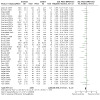
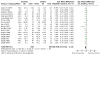
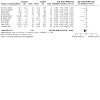
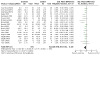
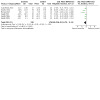
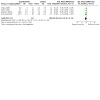
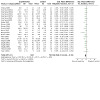
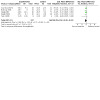
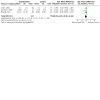
Main results: For this update we identified a total of 56 studies (4068 participants) for inclusion (28 from the original search and 28 from the updated search), with the majority carried out in participants with breast cancer (28 studies). A meta-analysis of all fatigue data, incorporating 38 comparisons, provided data for 1461 participants who received an exercise intervention and 1187 control participants. At the end of the intervention period exercise was seen to be statistically more effective than the control intervention (standardised mean difference (SMD) -0.27, 95% confidence interval (CI) -0.37 to -0.17). Benefits of exercise on fatigue were observed for interventions delivered during or post-adjuvant cancer therapy. In relation to diagnosis, we identified benefits of exercise on fatigue for breast and prostate cancer but not for those with haematological malignancies. Finally, aerobic exercise significantly reduced fatigue but resistance training and alternative forms of exercise failed to reach significance.
Authors' conclusions: The findings of the updated review have enabled a more precise conclusion to be made in that aerobic exercise can be regarded as beneficial for individuals with cancer-related fatigue during and post-cancer therapy, specifically those with solid tumours. Further research is required to determine the optimal type, intensity and timing of an exercise intervention.
Conflict of interest statement
None known.
Figures
Update of
-
Exercise for the management of cancer-related fatigue in adults.Cochrane Database Syst Rev. 2008 Apr 16;(2):CD006145. doi: 10.1002/14651858.CD006145.pub2. Cochrane Database Syst Rev. 2008. Update in: Cochrane Database Syst Rev. 2012 Nov 14;11:CD006145. doi: 10.1002/14651858.CD006145.pub3. PMID: 18425939 Updated.
Comment in
-
[Sport against cancer-related fatigue].Dtsch Med Wochenschr. 2013 Feb;138(8):353. doi: 10.1055/s-0032-1329150. Epub 2013 Feb 12. Dtsch Med Wochenschr. 2013. PMID: 23404320 German. No abstract available.
-
Exercise improves fatigue during and after breast and prostate cancer treatment, with benefits seen for aerobic exercise.Evid Based Nurs. 2013 Oct;16(4):101-2. doi: 10.1136/eb-2012-101198. Epub 2013 Feb 28. Evid Based Nurs. 2013. PMID: 23449841 No abstract available.
References
References to studies included in this review
Adamsen 2009 {published data only}
Battaglini 2008 {published data only}
-
- Battaglini CL, Mihalik JP, Bottaro M, Dennehy C, Petschauer MA, Hairston LS, et al. Effect of exercise on the caloric intake of breast cancer patients undergoing treatment. Brazilian Journal of Medical and Biological Research 2008;41(8):709-15. - PubMed
Brown 2006 {published data only}
-
- Brown P, Clark MM, Atherton P, Huschka M, Sloan JA, Gamble G, et al. Will improvement in quality of life (QOL) impact fatigue in patients receiving radiation therapy for advanced cancer? American Journal of Clinical Oncology 2006;1:52-8. - PubMed
Burnham 2002 {published data only}
-
- Burnham TR, Wilcox A. Effects of exercise on physiological and psychological variables in cancer survivors. Medicine and Science in Sports and Exercise 2002;34(12):1863-7. - PubMed
Campbell 2005 {published data only}
-
- Campbell A, Mutrie N, White F, McGuire F, Kearney N. A pilot study of a supervised group exercise programme as a rehabilitation treatment for women with breast cancer receiving adjuvant treatment. European Journal of Oncology Nursing 2005;9:56-63. - PubMed
Carson 2009 {published data only}
-
- Carson JW, Carson KM, Porter LS, Keefe FJ, Seewaldt VL. Yoga of Awareness program for menopausal symptoms in breast cancer survivors: results from a randomized trial. Supportive Care in Cancer 2009;17:1301-9. - PubMed
Chandwani 2010 {published data only}
-
- Chandwani KD, Thornton B, Perkins GH, Arun B, Raghuram NV, Nagendra HR, et al. Yoga improves quality of life and benefit finding in women undergoing radiotherapy for breast cancer. Journal of the Society for Integrative Oncology 2010;8(2):43-55. - PubMed
Chang 2008 {published data only}
-
- Chang P-H, Lai T-H, Shun S-C, Lin L-Y, Chen M-L, Yang Y, et al. Effects of a walking intervention on fatigue-related experiences of hospitalized acute myelogenous leukemia patients undergoing chemotherapy: a randomized controlled trial. Journal of Pain and Symptom Management 2008;35(5):524-34. - PubMed
Cohen 2004 {published data only}
-
- Cohen L, Warneke C, Fouladi RT, Rodriguez MA, Chaoul-Reich A. Psychological adjustment and sleep quality in a randomized trial of the effects of a Tibetan yoga intervention in patients with lymphoma. Cancer 2004;100:2253-60. - PubMed
Coleman 2003a {published data only}
-
- Coleman EA, Coon S, Hall-Barrow J, Richards K, Gaylor D, Stewart B. Feasibility of exercise during treatment for multiple myeloma. Cancer Nursing 2003;26(5):410-9. - PubMed
Courneya 2003a {published data only}
-
- Courneya KS, Friedenreich CM, Quinney HA, Fields ALA, Jones LW, Fairey AS. A randomized trial of exercise and quality of life in colorectal cancer survivors. European Journal of Cancer Care 2003;12:347-57. - PubMed
Courneya 2003b {published data only}
-
- Courneya KS, Mackey JR, Bell GJ, Jones LW, Field CJ, Fairey AS. Randomized controlled trial of exercise training in postmenopausal breast cancer survivors: cardiopulmonary and quality of life outcomes. Journal of Clinical Oncology 2003;21:1660-8. - PubMed
Courneya 2003c {published data only}
-
- Courneya KS, Friedenreich CM, Sela RA, Quinney HA, Rhodes RE, Handman M. The group psychotherapy and home-based physical exercise (group-hope) trial in cancer survivors: physical fitness and quality of life outcomes. Psycho-Oncology 2003;12:357-74. - PubMed
Courneya 2007a {published data only}
-
- Courneya KS, Friedenrich CM, Reid RD, Gelmon K, Mackey JR, Ladha AB, et al. Predictors of follow-up exercise behavior 6 months after a randomized trial of exercise training during breast cancer chemotherapy. Breast Cancer Research and Treatment 2009;114:179-87. - PubMed
-
- Courneya KS, McKenzie DC, Reid RD, Mackey JR, Gelmon K, Friedenrich CM, et al. Barriers to supervised exercise training in a randomized controlled trial of breast cancer patients receiving chemotherapy. Annals of Behavioral Medicine 2008;35:116-22. - PubMed
-
- Courneya KS, Segal RJ, Gelmon K, Reid RD, Mackey JR, Friedenrich CM, et al. Six-month follow-up of patient-rated outcomes in a randomized controlled trial of exercise training during breast cancer chemotherapy. Cancer Epidemiology Biomarkers and Prevention 2007;16(12):2572-8. - PubMed
-
- Courneya KS, Segal RJ, Mackey JR, Gelmon K, Reid RD, Friedenreich CM, et al. Effects of aerobic and resistance exercise in breast cancer patients receiving adjuvant chemotherapy: a multicenter randomised controlled trial. Journal of Clinical Oncology 2007;25(28):4396-404. - PubMed
Courneya 2007b {published data only}
-
- Courneya KS, Friedenrich CM, Reid RD, Gelmon K, Mackey JR, Ladha AB, et al. Predictors of follow-up exercise behavior 6 months after a randomized trial of exercise training during breast cancer chemotherapy. Breast Cancer Research and Treatment 2009;114:179-87. - PubMed
-
- Courneya KS, McKenzie DC, Reid RD, Mackey JR, Gelmon K, Friedenrich CM, et al. Barriers to supervised exercise training in a randomized controlled trial of breast cancer patients receiving chemotherapy. Annals of Behavioral Medicine 2008;35:116-22. - PubMed
-
- Courneya KS, Segal RJ, Gelmon K, Reid RD, Mackey JR, Friedenrich CM, et al. Six-month follow-up of patient-rated outcomes in a randomized controlled trial of exercise training during breast cancer chemotherapy. Cancer Epidemiology Biomarkers and Prevention 2007;16(12):2572-8. - PubMed
-
- Courneya KS, Segal RJ, Mackey JR, Gelmon K, Reid RD, Friedenreich CM, et al. Effects of aerobic and resistance exercise in breast cancer patients receiving adjuvant chemotherapy: a multicenter randomised controlled trial. Journal of Clinical Oncology 2007;25:4396-404. - PubMed
Courneya 2008 {published data only}
-
- Courneya KS, Jones LW, Peddle CJ, Sellar CM, Reiman T, Joy AA, et al. Effects of aerobic exercise training in anemic cancer patients receiving darbepoetin alfa: a randomized controlled trial. The Oncologist 2008;13:1012-20. - PubMed
Courneya 2009 {published data only}
-
- Courneya KS, Sellar CM, Stevinson C, McNeely ML, Peddle CJ, Friedenreich CM, et al. Randomized controlled trial of the effects of aerobic exercise on physical functioning and quality of life in lymphoma patients. Journal of Clinical Oncology 2009;27(27):4605-12. - PubMed
Culos‐Reed 2006 {published data only}
-
- Culos-Reed SN, Carlson LE, Daroux LM, Hately-Aldous S. A pilot study of yoga for breast cancer survivors: physical and psychological benefits. Psycho-Oncology 2006;15:891-7. - PubMed
Culos‐Reed 2010 {published data only}
-
- Culos-Reed SN, Robinson JW, Lau H, Stephenson L, Keats M, Norris S, et al. Physical activity for men receiving androgen deprivation therapy for prostate cancer: benefits from a 16-week intervention. Supportive Care in Cancer 2010;18:591-9. - PubMed
Daley 2007 {published and unpublished data}
-
- Daley AJ, Crank H, Mutrie N, Saxton JM, Coleman R. Determinants of adherence to exercise in women treated for breast cancer. European Journal of Oncology Nursing 2007;11:392-9. - PubMed
-
- Daley AJ, Crank H, Saxton JM, Mutrie N, Coleman R, Roalfe A. Randomized trial of exercise therapy in women treated for breast cancer. Journal of Clinical Oncology 2007;25(13):1713-21. - PubMed
Danhauer 2009 {published data only}
Dimeo 1999 {published and unpublished data}
-
- Dimeo FC, Stieglitz R-D, Novelli-Fischer U, Fetscher S, Keul J. Effects of physical activity on the fatigue and psychologic status of cancer patients during chemotherapy. Cancer 1999;85:2273-7. - PubMed
Dimeo 2004 {published and unpublished data}
-
- Dimeo FC, Thomas F, Raabe-Menssen C, Pröpper F, Mathias M. Effect of aerobic exercise and relaxation training on fatigue and physical performance of cancer patients after surgery. A randomised controlled trial. Supportive Care in Cancer 2004;12:774-9. - PubMed
Dodd 2010a {published data only}
Dodd 2010b {published data only}
Drouin 2005 {published data only}
-
- Drouin JS, Armstrong H, Krause S, Orr J, Birk TJ, Hryniuk WM, et al. Effects of aerobic exercise training on peak aerobic capacity, fatigue, and psychological factors during radiation for breast cancer. Rehabilitation Oncology 2005;23(1):11-7.
Galantino 2003 {published data only}
-
- Galantino ML, Capito L, Kane RJ, Ottey N, Switzer S, Packel L. The effects of Tai Chi and walking on fatigue and body mass index in women living with breast cancer: a pilot study. Rehabilitation Oncology 2003;21(1):17-22.
Galvão 2010 {published data only}
-
- Galvão DA, Taaffe DR, Spry N, Joseph D, Newton RU. Combined resistance and aerobic exercise program reverses muscle loss in men undergoing androgen suppression therapy for prostate cancer without bone metastases: a randomized controlled trial. Journal of Clinical Oncology 2010;28(2):340-7. - PubMed
Headley 2004 {published data only}
-
- Headley JA, Ownby KK, John LD. The effect of seated exercise on fatigue and quality of life in women with advanced breast cancer. Oncology Nursing Forum 2004;31(5):977-83. - PubMed
Heim 2007 {published data only}
-
- Heim ME, vdMalsburg M-LE, Niklas A. Randomized controlled trial of a structured training program in breast cancer patients with tumor-related chronic fatigue. Onkologie 2007;30:429-34. - PubMed
Hwang 2008 {published data only}
Lee 2010 {published data only}
-
- Lee SA, Kang J-Y, Kim YD, An AR, Kim S-W, Kim Y-S, et al. Effects of a scapula-oriented shoulder exercise programme on upper limb dysfunction in breast cancer survivors: a randomized controlled pilot trial. Clinical Rehabilitation 2010;24:600-13. - PubMed
McKenzie 2003 {published data only}
-
- McKenzie D, Kalda AL. Effect of upper extremity exercise on secondary lymphedema in breast cancer patients: a pilot study. Journal of Clinical Oncology 2003;21(3):463-6. - PubMed
McNeely 2008 {published data only}
-
- McNeely ML, Parliament MB, Seikaly H, Jha N, Magee DJ, Haykowsky MJ, et al. Effect of exercise on upper extremity pain and dysfunction in head and neck cancer survivors: a randomized controlled trial. Cancer 2008;113:214-22. - PubMed
Milne 2008 {published data only}
-
- Milne HM, Wallman KE, Gordon S, Courneya KS. Effects of a combined aerobic and resistance exercise program in breast cancer survivors: a randomized controlled trial. Breast Cancer Research and Treatment 2008;108:279-88. - PubMed
Moadel 2007 {published data only}
-
- Moadel AB, Shah C, Wylie-Rosett J, Harris MS, Patel SR, Hall CB, et al. Randomized controlled trial of yoga among a multiethnic sample of breast cancer patients: effects on quality of life. Journal of Clinical Oncology 2007;25(28):4387-95. - PubMed
Mock 1994 {published data only}
-
- Mock V, Burke MB, Sheehan P, Creaton EM, Winningham ML, McKenney-Tedder S, et al. A nursing rehabilitation program for women with breast cancer receiving adjuvant chemotherapy. Oncology Nursing Forum 1994;21(5):899-907. - PubMed
Mock 1997 {published data only}
-
- Mock V, Dow KH, Meares CJ, Grimm PM, Dienemann JA, Haisfield-Wolfe ME, et al. Effects of exercise on fatigue, physical functioning, and emotional distress during radiation therapy for breast cancer. Oncology Nursing Forum 1997;24(6):991-1000. - PubMed
Mock 2005 {published data only}
-
- Mock V, Frangakis C, Davidson NE, Ropka ME, Pickett M, Poniatowski B, et al. Exercise manages fatigue during breast cancer treatment: a randomised controlled trial. Psycho-Oncology 2005;14:464-77. - PubMed
Monga 2007 {published data only}
-
- Monga U, Garber SL, Thornby J, Vallbona C, Kerrigan AJ, Monga TN, et al. Exercise prevents fatigue and improves quality of life in prostate cancer patients undergoing radiotherapy. Archives of Physical Medicine and Rehabilitation 2007;88:1416-22. - PubMed
Mustian 2009 {published data only}
Mutrie 2007 {published data only}
Oh 2008 {published data only}
-
- Oh B, Butow P, Mullan B. Medical Qigong for cancer patients: pilot study of impact on quality of life, side effects of treatment and inflammation. American Journal of Chinese Medicine 2008;36(3):459-72. - PubMed
Oh 2010 {published data only}
Payne 2008 {published data only}
-
- Payne JK, Held J, Thorpe J, Shaw H. Effect of exercise on biomarkers, fatigue, sleep disturbances, and depressive symptoms in older women with breast cancer receiving hormonal treatment. Oncology Nursing Forum 2008;35(4):635-42. - PubMed
Pinto 2003 {published data only}
-
- Pinton BM, Clark MM, Maruyama NC, Feder SI. Psychological and fitness changes associated with exercise participation among women with breast cancer. Psycho-Oncology 2003;12:118-26. - PubMed
Pinto 2005 {published data only}
-
- Pinto BM, Frierson GM, Rabin C, Trunzo JJ, Marcus BH. Home-based physical activity intervention for breast cancer patients. Journal of Clinical Oncology 2005;23(15):3577-87. - PubMed
-
- Rabin C, Pinto, BM, Frierson, GM. Mediators of a randomized controlled physical activity intervention for breast cancer survivors. Journal of Sport and Exercise Psychology 2006;28:269-84.
Rogers 2009 {published and unpublished data}
-
- Rogers LQ, Hopkins-Price P, Vicari S, Markwell S, Pamenter R, Courneya KS, et al. Physical activity and health outcomes three months after completing a physical activity behavior change intervention: persistent and delayed effects. Cancer Epidemiology Biomarkers and Prevention 2009;18(5):1410-8. - PubMed
-
- Rogers LQ, Hopkins-Price P, Vicari S, Pamenter R, Courneya S, Markwell S, et al. A randomized trial to increase physical activity in breast cancer survivors. Medicine and Science in Sports and Exercise 2009;41:935-46. - PubMed
Santa Mina 2012 {unpublished data only}
-
- Santa Mina DS, Ritvo P, Matthew AG, Rampersad A, Stein H, Cheung AM, et al. A pilot randomized trial of group exercise versus personal training for prostate cancer patients receiving androgen deprivation therapy. Unpublished.
Segal 2001a {published data only}
-
- Segal R, Evans W, Johnson D, Smith J, Colletta S, Gayton J, et al. Structured exercise improves physical functioning in women with stages I and II breast cancer: results of a randomised controlled trial. Journal of Clinical Oncology 2001;19(3):657-65. - PubMed
Segal 2001b {published data only}
-
- Segal R, Evans W, Johnson D, Smith J, Colletta S, Gayton J, et al. Structured exercise improves physical functioning in women with stages I and II breast cancer: results of a randomised controlled trial. Journal of Clinical Oncology 2001;19(3):657-65. - PubMed
Segal 2003 {published data only}
-
- Segal RJ, Reid RD, Courneya KS, Malone SC, Parliament MB, Scott CG, et al. Resistance exercise in men receiving androgen deprivation therapy for prostate cancer. Journal of Clinical Oncology 2003;21(9):1653-9. - PubMed
Segal 2009a {published data only}
-
- Segal RJ, Reid RD, Courneya KS, Sigal RJ, Kenny GP, Prud'Homme DG, et al. Randomized controlled trial of resistance or aerobic exercise in men receiving radiation therapy for prostate cancer. Journal of Clinical Oncology 2009;27(3):344-51. - PubMed
Segal 2009b {published data only}
-
- Segal RJ, Reid RD, Courneya KS, Sigal RJ, Kenny GP, Prud'Homme DG, et al. Randomized controlled trial of resistance or aerobic exercise in men receiving radiation therapy for prostate cancer. Journal of Clinical Oncology 2009;27(3):344-51. - PubMed
Sequeira 2012 {unpublished data only}
-
- Sequeira MM, Gomes da Silva M. Exercise program for promotion of physical activity after breast cancer surgery: a randomized and controlled pilot trial. Unpublished.
Shelton 2009 {published data only}
-
- Shleton ML, Lee JQ, Morris S, Massey PR, Kendall DG, Munsell MF, et al. A randomized control trial of a supervised versus a self-directed exercise program for allogenic stem cell transplant patients. Psycho-Oncology 2009;18:353-9. - PubMed
Thorsen 2005 {published data only}
-
- Thorsen L, Skovlund E, Strømme SB, Hornslien K, Dahl AA, Fosså SD. Effectiveness of physical activity on cardiorespiratory fitness and health-related quality of life in young and middle-aged cancer patients shortly after chemotherapy. Journal of Clinical Oncology 2005;23(10):2378-88. - PubMed
van Weert 2010 {published data only}
-
- Weert E, May AM, Korstjens I, Post WJ, Schans CP, den Borne B, et al. Cancer-related fatigue and rehabilitation: a randomized controlled multicenter trial comparing physical training combined with cognitive-behavioural therapy with physical training only and with no intervention. Physical Therapy 2010;90(10):1413-25. - PubMed
Windsor 2004 {published data only}
-
- Windsor PM, Nicol KF, Potter J. A randomized, controlled trial of aerobic exercise for treatment-related fatigue in men receiving radical external beam radiotherapy for localized prostate carcinoma. Cancer 2004;101:550-7. - PubMed
Yuen 2007a {published data only}
-
- Yuen HK, Sword D. Home-based exercise to alleviate fatigue and improve functional capacity among breast cancer survivors. Journal of Allied Health 2007;36(4):e257-75. - PubMed
Yuen 2007b {published data only}
-
- Yuen HK, Sword D. Home-based exercise to alleviate fatigue and improve functional capacity among breast cancer survivors. Journal of Allied Health 2007;36(4):e257-75. - PubMed
References to studies excluded from this review
Aghili 2007 {published data only}
-
- Aghili M, Farhan F, Rade M. A pilot study of the effects of programmed aerobic exercise on the severity of fatigue in cancer patients during external radiotherapy. European Journal of Oncology Nursing 2007;11:179-82. - PubMed
Barinow‐Wojewódzki 2008 {published data only}
-
- Barinow-Wojewódzki A, Laurentowska M, Domaszewska K, Lesiński F, Kaliszewska-Szczepaniak A, Rychlewski T. Effects of rehabilitation on physical efficiency in patients with lung cancer evaluated by means of the 6-minute walking test [Wpływ rehabilitacji ruchowej na wydolność fizyczną pacjentów z rakiem płuc mierzoną 6-minutowym testem marszowym]. Fizjoterapia 2008;16(3):36-47.
Barsevick 2004 {published data only}
-
- Barsevick AM, Dudley W, Beck S, Sweeney C, Whitmer K, Nail L. A randomized clinical trial of energy conservation for patients with cancer-related fatigue. Cancer 2004;100:1302-10. - PubMed
Battaglini 2007 {published data only}
Berglund 1994 {published data only}
-
- Berglund G, Bolund C, Gustaffson U-L, Sjödén P-O. A randomized study of a rehabilitation program for cancer patients: the 'starting again' group. Psycho-Oncology 1994;3:109-20.
Buss 2010 {published data only}
-
- Buss T, Walden-Galuszko K, Modlińska A, Osowicka M, Lichodziejewska-Niemierko M, Janiszewska J. Kinesitherapy alleviates fatigue in terminal hospice cancer patients - an experimental, controlled study. Supportive Care in Cancer 2010;18(6):743-9. - PubMed
Cella 2004 {published data only}
-
- Cella D, Kallich J, McDemott A, Xu X. The longitudinal relationship of hemoglobin, fatigue and quality of life in anemic cancer patients: results from five randomized clinical trials. Annals of Oncology 2004;15:979-86. - PubMed
Coleman 2003b {published data only}
-
- Coleman EA, Hall-Barrow J, Coon S, Stewart CB. Facilitating exercise adherence for patients with multiple myeloma. Clinical Journal of Oncology Nursing 2003;7(5):529-34, 540. - PubMed
Coleman 2008 {published data only}
Culos‐Reed 2007 {published data only}
-
- Culos-Reed SN, Robinson JL, Lau H, O'Connor K, Keats MR. Benefits of a physical activity intervention for men with prostate cancer. Journal of Sport and Exercise Psychology 2007;29(1):118-27. - PubMed
Decker 1989 {published data only}
-
- Decker WA, Turner-McGlade J, Fehir KM. Psychosocial aspects and the physiological effects of a cardiopulmonary exercise program in patients undergoing bone marrow transplantation (BMT) for acute leukemia (AL). Transplantation Proceedings 1989;21(1):3068-9. - PubMed
Dimeo 1996 {published data only}
-
- Dimeo F, Bertz H, Finke J, Fetscher S, Mertelsmann R, Keul J. An aerobic exercise program for patients with haematological malignancies after bone marrow transplantation. Bone Marrow Transplantation 1996;18:1157-60. - PubMed
Dimeo 1997a {published data only}
-
- Dimeo FC, Tilmann MHM, Bertz H, Kanz L, Mertelsmann R, Keul J. Aerobic exercise in the rehabilitation of cancer patients after high dose chemotherapy and autologous peripheral stem cell transplantation. Cancer 1997;79:1717-22. - PubMed
Dimeo 1997b {published data only}
-
- Dimeo F, Fetscher S, Lange W, Mertelsmann R, Keul J. Effects of aerobic exercise on the physical performance and incidence of treatment-related complications after high dose chemotherapy. Blood 1997;90(9):3390-4. - PubMed
Dimeo 2008 {published data only}
-
- Dimeo F, Schwartz S, Wessel N, Voigt A, Thiel E. Effects of an endurance and resistance exercise program on persistent cancer-related fatigue after treatment. Annals of Oncology 2008;19(8):1495-9. - PubMed
Fillion 2008 {published data only}
-
- Fillion L, Gagnon P, Lebland F, Gélinas C, Savard J, Dupuis R, et al. A brief intervention for fatigue management in breast cancer survivors. Cancer Nursing 2008;31(2):145-59. - PubMed
Goedendorp 2010 {published data only}
-
- Goedendorp MM, Peters MEWJ, Gielissen MFM, Witjes JA, Leer JW, Verhagen CAHHVM, et al. Is increasing physical activity necessary to diminish fatigue during cancer treatment? Comparing cognitive behavior therapy and a brief nursing intervention with usual care in a multicenter randomized controlled trial. The Oncologist 2010;15:1122-32. - PMC - PubMed
Hansen 2009 {published data only}
-
- Hansen PA, Dechet CB, Porucznik CA, LaStayo PC. Comparing eccentric resistance exercise in prostate cancer survivors on and off hormone therapy: a pilot study. Physical Medicine and Rehabilitation 2009;1(11):1019-24. - PubMed
Hartvig 2006 {published data only}
-
- Hartvig P, Aulin J, Wallenberg S, Wagenius G. Physical exercise for cytotoxic drug induced fatigue. Journal of Oncology Pharmacy Practice 2006;12:183-91. - PubMed
Hayes 2004 {published data only}
-
- Hayes S, Davies PSW, Parker T, Bashford J, Newman B. Quality of life changes following peripheral blood stem cell transplantation and participation in a mixed-type, moderate-intensity, exercise program. Bone Marrow Transplantation 2004;33:553-8. - PubMed
Hsieh 2008 {published data only}
Jarden 2009 {published data only}
-
- Jarden M, Baadsgaard MT, Hovgaard DJ, Boesen E, Adamsen L. A randomized trial on the effect of a multimodal intervention on physical capacity, functional performance and quality of life in adult patients undergoing allogenic SCT. Bone Marrow Transplantation 2009;43:725-37. - PubMed
-
- Jarden M, Nelausen K, Hovgaard D, Boesen E, Adamsen L. The effect of a multimodal intervention on treatment-related symptoms in patients undergoing hematopoietic stem cell transplantation: a randomized controlled trial. Journal of Pain and Symptom Management 2009;38(2):174-90. - PubMed
Kim 2005 {published data only}
-
- Kim SD, Kim HS. Effects of a relaxation breathing exercise on fatigue in haemopoietic stem cell transplantation patients. Journal of Clinical Nursing 2005;14:51-5. - PubMed
Kim 2009 {published data only}
-
- Kim DJ, Mayo NE, Carli F, Montgomery DL, Zavorsky GS. Responsive measures to prehabilitation in patients undergoing bowel resection surgery. Tohoku Journal of Experimental Medicine 2009;217(2):109-15. - PubMed
Köhler 2008 {published data only}
-
- Köhler N, Damm F, Bauer K, Klee C, Rach S, Lintz D, et al. Supportive effects of moderate physical exercise during cytotoxic/endocrine treatment of breast cancer patients - results of a pilot study [Supportive effekte eines moderaten ausdauertrainings während der zytotoxischen/endokrinen therapie von mammakarzinompatientinnen-ergebnisse einer pilotstudie]. Geburtshilfe und Frauenheilkunde 2008;68(8):805-13.
MacVicar 1989 {published data only}
-
- Macvicar MG, Winningham ML, Nickel JL. Effects of aerobic interval training on cancer patients' functional capacity. Nursing Research 1989;38(6):348-51. - PubMed
Mock 2001 {published data only}
-
- Mock V, Pickett M, Ropka ME, Lin EM, Stewart KJ, Rhodes VA, et al. Fatigue and quality of life outcomes of exercise during cancer treatment. Cancer Practice 2001;9(3):119-27. - PubMed
Oldervoll 2003 {published data only}
-
- Oldervoll LM, Kaasa S, Knobel H, Loge JH. Exercise reduces fatigue in chronic fatigued Hodgkins disease survivors-results from a pilot study. European Journal of Cancer 2003;39:57-63. - PubMed
Ozalevli 2010 {published data only}
-
- Ozalevli S, Ilgin D, Karaali HK, Bulac S, Akkoclu A. The effect of in-patient chest physiotherapy in lung cancer patients. Supportive Care in Cancer 2010;18(3):351-8. - PubMed
Pickett 2002 {published data only}
-
- Pickett M, Mock V, Ropka ME, Cameron L, Coleman M, Podewils L. Adherence to moderate-intensity exercise during breast cancer therapy. Cancer Practice 2002;10(6):284-92. - PubMed
Poorkiani 2010 {published data only}
Riesenberg 2010 {published data only}
-
- Riesenberg H, Lübbe AS. In-patient rehabilitation of lung cancer patients - a prospective study. Supportive Care in Cancer 2010;18(7):877-82. - PubMed
Rummans 2006 {published data only}
-
- Cheville AL, Girardi J, Clark MM, Rummans TA, Pittelkow T, Brown P, et al. Therapeutic exercise during outpatient radiation therapy for advanced cancer. American Journal of Physical Medicine and Rehabilitation 2010;89(8):611-9. - PubMed
-
- Rummans TA, Clark MM, Sloan JA, Frost MH, Bostwick JM, Atherton PJ, et al. Impacting quality of life for patients with advanced cancer with a structured multidisciplinary intervention: a randomized controlled trial. Journal of Clinical Oncology 2006;24(4):635-42. - PubMed
Schneider 2007a {published data only}
-
- Schneider CM, Hsieh CC, Sprod LK, Carter SD, Hayward R. Exercise training manages cardiopulmonary function and fatigue during and following cancer treatment in male cancer survivors. Integrative Cancer Therapies 2007;6(3):235-41. - PubMed
Schneider 2007b {published data only}
-
- Schneider CM, Hsieh CC, Sprod LK, Carter SD, Hayward R. Effects of supervised exercise training on cardiopulmonary function and fatigue in breast cancer survivors during and after treatment. Cancer 2007;110(4):918-25. - PubMed
Schneider 2007c {published data only}
-
- Schneider CM, Hsieh CC, Sprod LK, Carter SD, Hayward R. Cancer treatment-induced alterations in muscular fitness and quality of life: the role of exercise training. Annals of Oncology 2007;18(12):1957-62. - PubMed
Schwartz 1999 {published data only}
-
- Schwartz AL. Fatigue mediates the effects of exercise on quality of life. Quality of Life Research 1999;8:529-38. - PubMed
Schwartz 2000a {published data only}
-
- Schwartz AL. Exercise and weight gain in breast cancer patients receiving chemotherapy. Cancer Practice 2000;8(5):231-7. - PubMed
Schwartz 2000b {published data only}
-
- Schwartz AL. Daily fatigue patterns and effect of exercise in women with breast cancer. Cancer Practice 2000;8(1):16-24. - PubMed
Schwartz 2001 {published data only}
-
- Schwartz AL, Mori M, Gao R, Nail LM, King ME. Exercise reduces daily fatigue in women with breast cancer receiving chemotherapy. Medicine and Science in Sports and Exercise 2001;33(5):718-23. - PubMed
Schwartz 2002 {published data only}
-
- Schwartz AL, Thompson JA, Masood N. Interferon-induced fatigue in patients with melanoma: a pilot study of exercise and methylphenidate. Oncology Nursing Forum 2002;29(7):E85-E90. - PubMed
Sprod 2010 {published data only}
Turner 2004 {published data only}
-
- Turner J, Hayes S, Reul-Hirche H. Improving the physical status and quality of life of women treated for breast cancer: a pilot study of a structured exercise intervention. Journal of Surgical Oncology 2004;86:141-6. - PubMed
Vadiraja 2009 {published data only}
-
- Vadiraja HS, Raghavendra RM, Nagarathna R, Nagendra HR, Rekha M, Vanitha N, et al. Effects of a yoga program on cortisol rhythm and mood states in early breast cancer patients undergoing adjuvant radiotherapy: a randomized controlled trial. Integrative Cancer Therapies 2009;8(1):37-46. - PubMed
Watson 2004 {published data only}
-
- Watson T, Mock V. Exercise as an intervention for cancer-related fatigue. Physical Therapy 2004;84(8):736-43. - PubMed
Wilson 2005 {published data only}
-
- Wilson RW, Jacobsen PB, Fields KK. Pilot study of a home-based aerobic exercise program for sedentary cancer survivors treated with hematopoietic stem cell transplantation. Bone Marrow Transplantation 2005;35:721-7. - PubMed
References to ongoing studies
Fisher‐Schlombs 2010 {published data only}
-
- Fisher-Schlombs K, Culos-Reed N, Brandwein J, Minden MD, Tomlinson GA, Alibhai SM. A pilot study of a home-based exercise intervention for adult patients with AML. In: Journal of Clinical Oncology. Vol. 28(15s). 2010:e19570.
Santa Mina 2010 {published data only}
-
- Santa Mina D, Alibhai S, Pirbaglou M, Matthew A, Trachtenberg J, Fleshner N, et al. Aerobic versus resistance exercise training for prostate cancer patients on ADT. In: Psycho-Oncology. Vol. 19 (Suppl 2). 2010:S196.
Additional references
Ahlberg 2003
-
- Ahlberg K, Ekman T, Gaston-Johansson F, Mock V. Assessment and management of cancer-related fatigue in adults. The Lancet 2003;362:640-50. - PubMed
Al‐Majid 2009
-
- Al-Majid S, Gray DP. A biobehavioral model for the study of exercise interventions in cancer-related fatigue. Biological Research for Nursing 2009;10(4):381-91. - PubMed
Cella 2002
-
- Cella D, Eton DT, Lai J-S, Peterman AH, Merkel DE. Combining anchor and distribution-based methods to derive minimal clinically important differences on the functional assessment of cancer therapy (FACT) anemia and fatigue scales. Journal of Pain and Symptom Management 2002;24(6):547-61. - PubMed
Chodzko‐Zajko 2009
-
- Chodzko-Zajko WJ, Proctor D, Fiatarone Singh M, Minson CT, Nigg CR, Salem GJ, et al. Exercise and physical activity for older adults. Medicine and Science in Sports and Exercise 2009;41(7):1510-30. - PubMed
Cochrane Pregnancy and Childbirth Group 2012
-
- Cochrane Pregnancy and Childbirth Group. Author resources for new reviews [updated 24 August 2012]. Available from: http://pregnancy.cochrane.org/author-resources-new-reviews.
Curt 2000
-
- Curt GA, Breibart W, Cella D, Groopman JE, Horning SJ, Itri LM, et al. Impact of cancer-related fatigue on the lives of patients: new findings from the fatigue coalition. The Oncologist 2000;5:353-60. - PubMed
Dimeo 2001
-
- Dimeo FC. Effects of exercise on cancer-related fatigue. Cancer 2001;92:1689-93. - PubMed
Dimeo 2002
-
- Dimeo F. Radiotherapy-related fatigue and exercise for cancer patients: a review of the literature and suggestions for future research. Frontiers of Radiation Therapy and Oncology 2002;37:49-56. - PubMed
Fletchner 2002
-
- Fletchner H, Bottomley A. Fatigue assessment in cancer clinical trials. Experts Reviews in Pharmacoeconomics Outcomes Research 2002;2:67-76. - PubMed
Garber 2011
-
- Garber CE, Blissmer B, Deschenes MR, Franklin B, Lamonte MJ, Lee I-M, et al. Quantity and quality of exercise for developing and maintaining cardiorespiratory, musculoskeletal, and neuromuscular fitness in apparently healthy adults: guidance for prescribing exercise. Medicine and Science in Sports and Exercise 2011;43(7):1334-59. - PubMed
Goedendorp 2009
Higgins 2003
Higgins 2011
-
- Higgins JPT, Green S (editors). Cochrane Handbook for Systematic Reviews of Interventions Version 5.1.0 [updated March 2011]. The Cochrane Collaboration, 2011. Available from www.cochrane-handbook.org.
Jacobsen 2007
Jadad 1996
-
- Jadad A, Moore A, Carroll D, Jenkinson C, Reynolds D, Gavaghan D, et al. Assessing the quality of reports of randomized clinical trials: Is blinding necessary. Controlled Clinical Trials 1996;17:1-12. - PubMed
Lucia 2003
-
- Lucia A, Earnest C, Perez M. Cancer-related fatigue: can exercise physiology assist oncologists? The Lancet Oncology 2003;4:616-25. - PubMed
Minton 2010
Mock 2001b
-
- Mock V. Fatigue management: evidence and guidelines for practice. Cancer 2001;92:1699-707. - PubMed
Montoye 1996
-
- Montoye HJ, Kemper HCG, Saris WHM, Washburn RA. Measuring Physical Activity and Energy Expenditure. Champaign, Illinois: Human Kinetics, 1996.
Morrow 2001
-
- Morrow GR, Andrews PLR, Hickok JT, Roscoe JA, Matheson S. Fatigue associated with cancer and its treatment. Supportive Care in Cancer 2001;10:389-98. - PubMed
Mustian 2007
-
- Mustian KM, Morrow GR, Carroll JK, Figueroa-Moseley CD, Jean-Pierre P, Williams GC. Integrative non-pharmacological behavioral interventions for the management of cancer-related fatigue. The Oncologist 2007;12(Suppl 1):52-67. - PubMed
NCCN 2012
-
- National Comprehensive Cancer Network. Clinical Practice Guidelines in Oncology. Cancer-related fatigue version 1.2012. www.nccn.org (accessed 30 January 2012).
Oldervoll 2004
-
- Oldervoll LM, Kaasa S, Hjermstad MJ, Lund JA, Loge JH. Physical exercise results in the improved subjective well-being of a few or is effective rehabilitation for all cancer patients? European Journal of Cancer 2004;40:951-62. - PubMed
Ryan 2007
-
- Ryan JL, Carroll JK, Ryan EP, Mustian KM, Fiscella K, Morrow GR. Mechanisms of cancer-related fatigue. The Oncologist 2007;12(Suppl 1):22-34. - PubMed
Schmitz 2010
-
- Schmitz KH, Courneya KS, Matthews C, Demark-Wahnefried W, Galvão DA, Pinto BM, et al. American College of Sports Medicine roundtable on exercise guidelines for cancer. Medicine and Science in Sports and Exercise 2010;42(7):1409-26. - PubMed
Vallance 2007
-
- Vallance JKH, Courneya KS, Plotnikoff RC, Yasui Y, Mackey JR. Randomized controlled trial of the effects of print materials and step pedometers on physical activity and quality of life in breast cancer survivors. Journal of Clinical Oncology 2007;25(17):2352-9. - PubMed
Wagner 2004
Winningham 1992
-
- Winningham ML. How exercise mitigates fatigue: implications for people receiving cancer therapy. In: Johnson RM, editors(s). The Biotherapy of Cancer V. Pittsburgh: Oncology Nursing Press, 1992:16-20.
