


Neutrophil elastase alters the murine gut microbiota resulting in enhanced Salmonella colonization
- PMID: 23155475
- PMCID: PMC3498231
- DOI: 10.1371/journal.pone.0049646
Neutrophil elastase alters the murine gut microbiota resulting in enhanced Salmonella colonization
Abstract
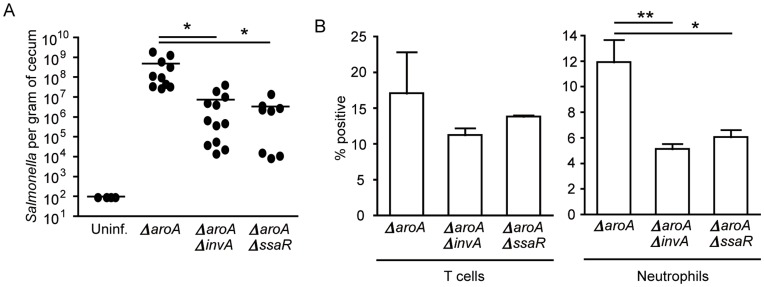
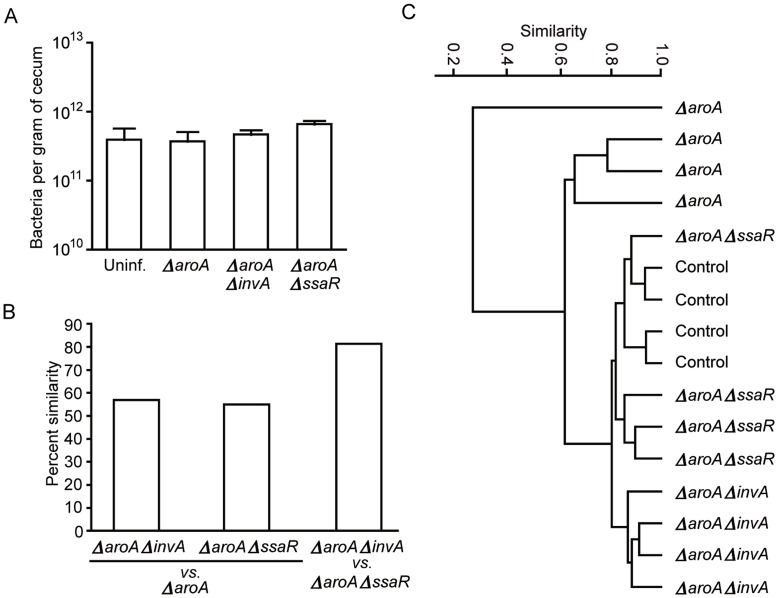
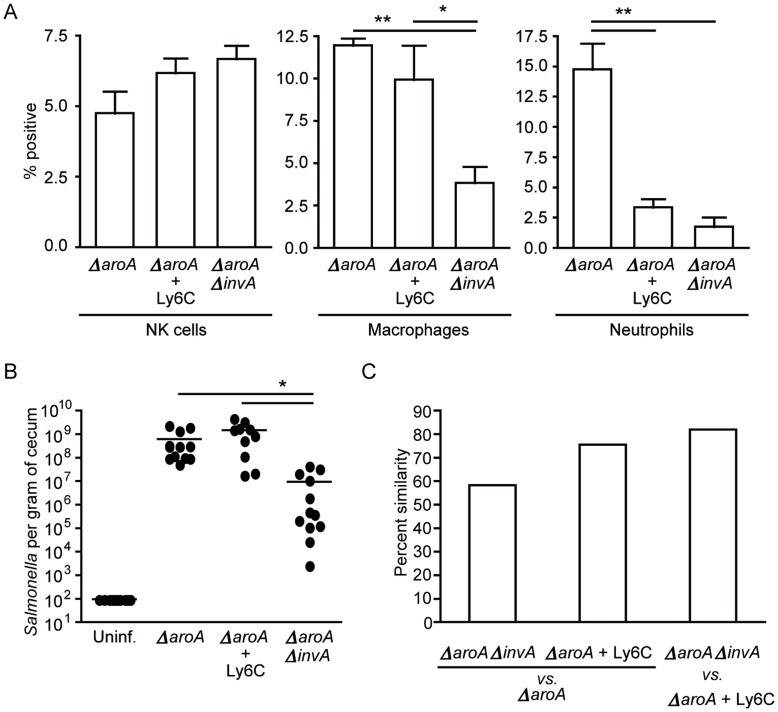
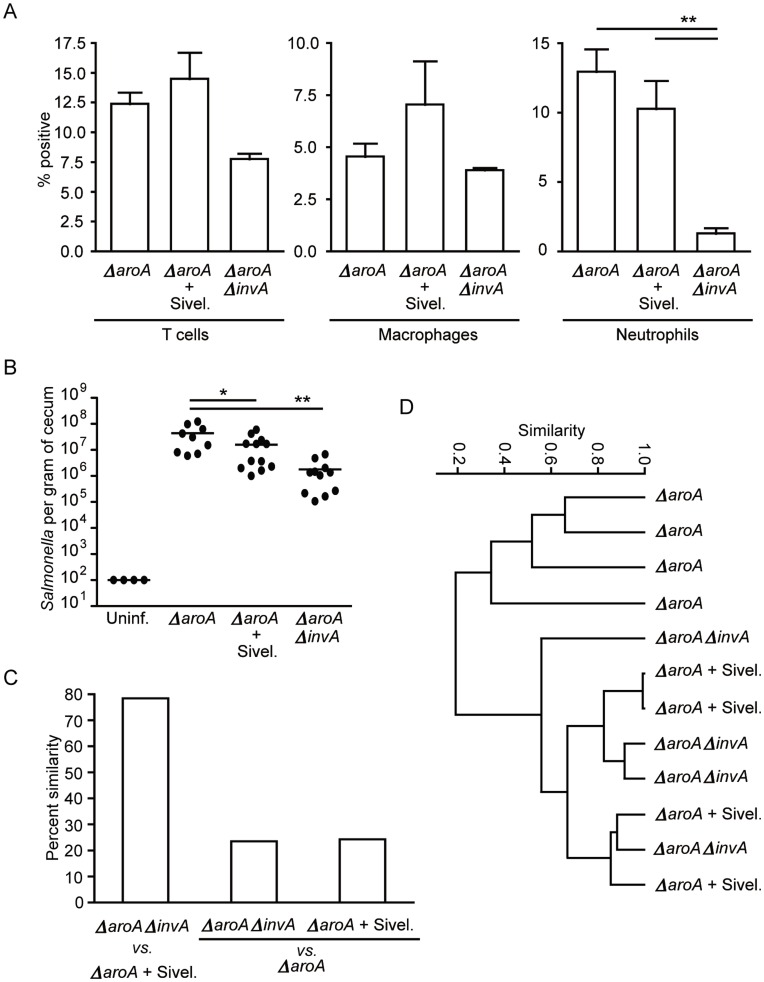
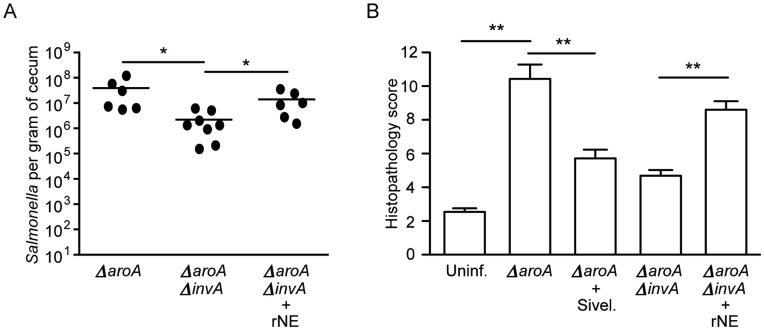
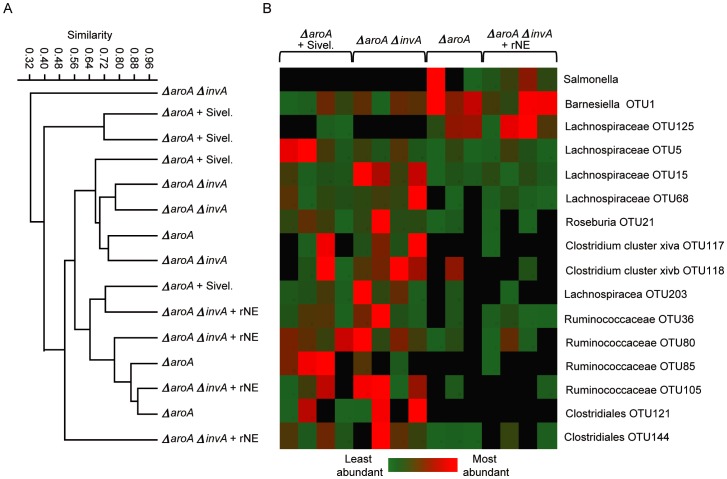
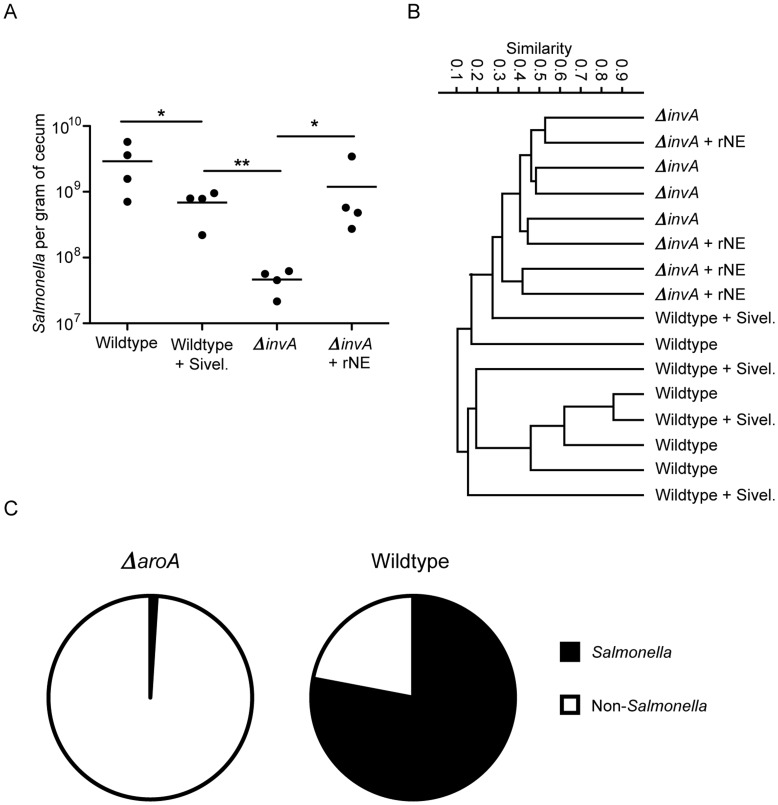
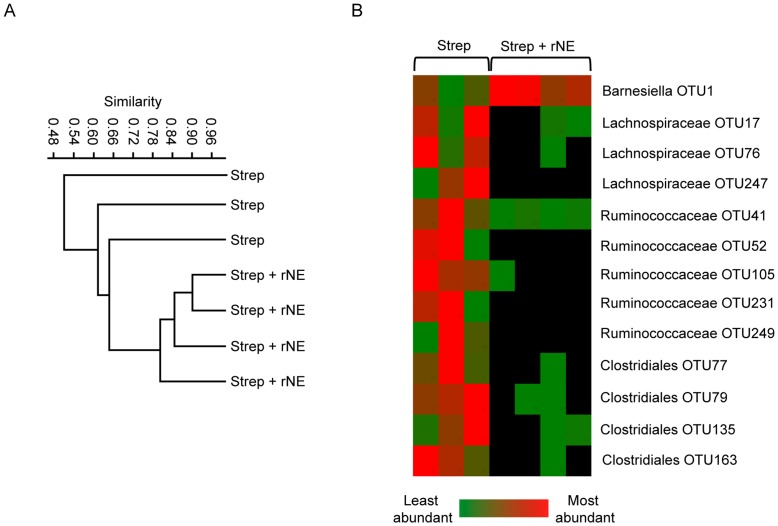
The intestinal microbiota has been found to play a central role in the colonization of Salmonella enterica serovar Typhimurium in the gastrointestinal tract. In this study, we present a novel process through which Salmonella benefit from inflammatory induced changes in the microbiota in order to facilitate disease. We show that Salmonella infection in mice causes recruitment of neutrophils to the gut lumen, resulting in significant changes in the composition of the intestinal microbiota. This occurs through the production of the enzyme elastase by neutrophils. Administration of recombinant neutrophil elastase to infected animals under conditions that do not elicit neutrophil recruitment caused shifts in microbiota composition that favored Salmonella colonization, while inhibition of neutrophil elastase reduced colonization. This study reveals a new relationship between the microbiota and the host during infection.
Conflict of interest statement
Figures
References
-
- Backhed F, Ley RE, Sonnenburg JL, Peterson DA, Gordon JI (2005) Host-bacterial mutualism in the human intestine. Science 307: 1915–1920. - PubMed
-
- Sekirov I, Russell SL, Antunes LC, Finlay BB (2010) Gut microbiota in health and disease. Physiol Rev 90: 859–904. - PubMed
-
- Miller CP, Bohnhoff M (1963) Changes in the mouse's enteric microflora associated with enhanced susceptibility to Salmonella infection following streptomycin treatment. J Infect Dis 113: 59–66. - PubMed
-
- Gill N, Wlodarska M, Finlay BB (2011) Roadblocks in the gut: barriers to enteric infection. Cell Microbiol 13: 660–669. - PubMed
Publication types
MeSH terms
Substances
Grants and funding
LinkOut - more resources
Full Text Sources
