


Identification of novel translational urinary biomarkers for acetaminophen-induced acute liver injury using proteomic profiling in mice
- PMID: 23166697
- PMCID: PMC3498140
- DOI: 10.1371/journal.pone.0049524
Identification of novel translational urinary biomarkers for acetaminophen-induced acute liver injury using proteomic profiling in mice
Abstract
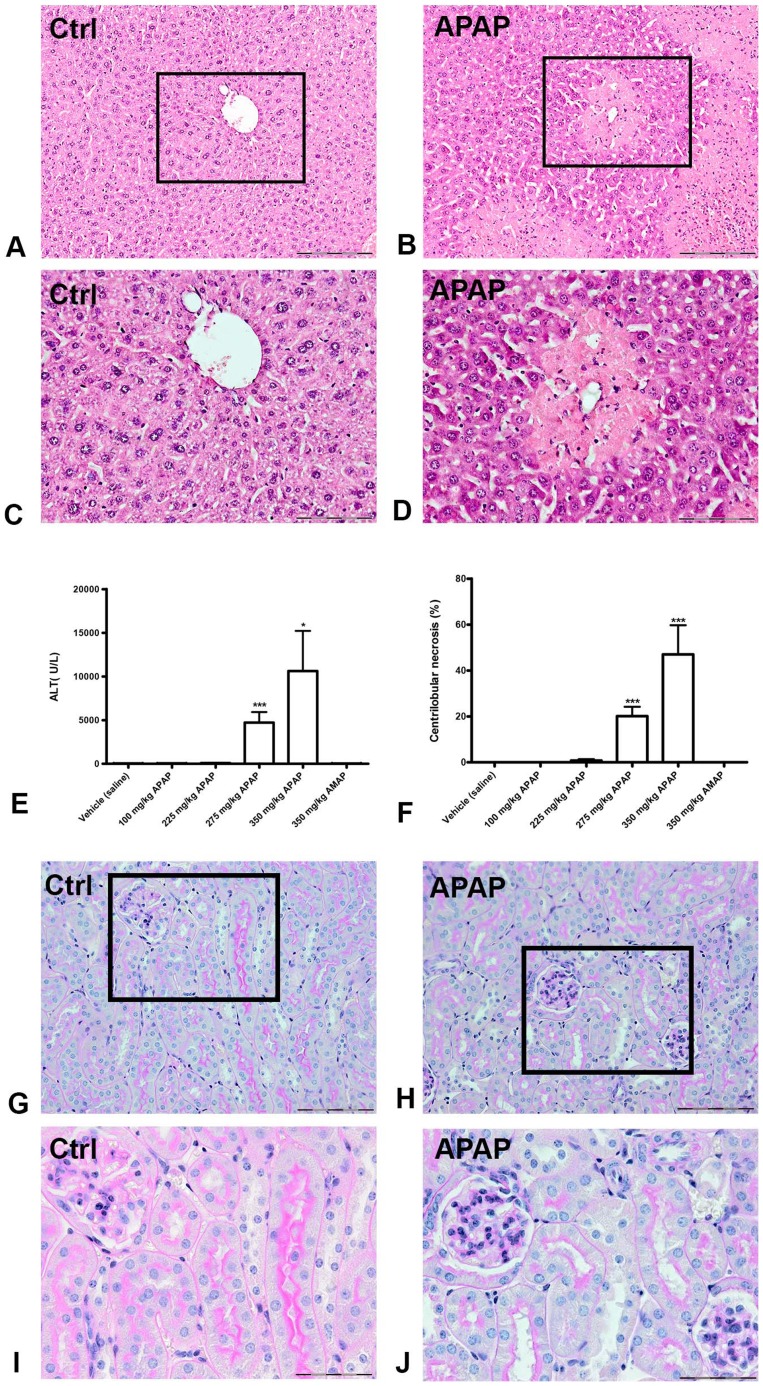
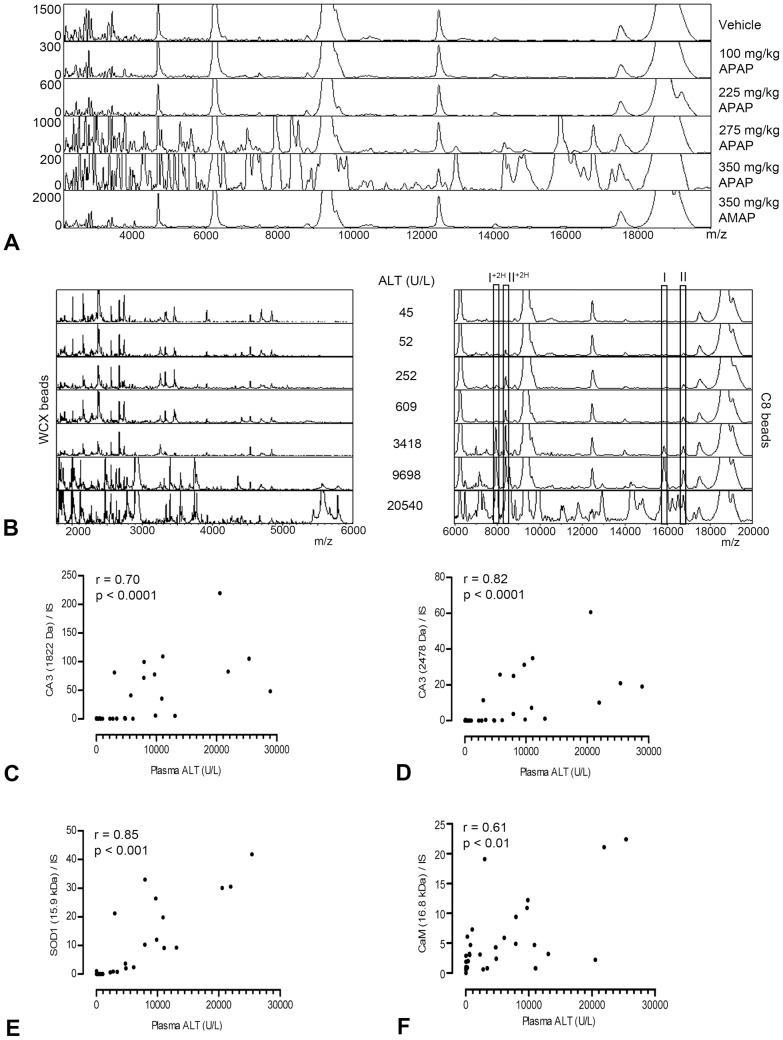
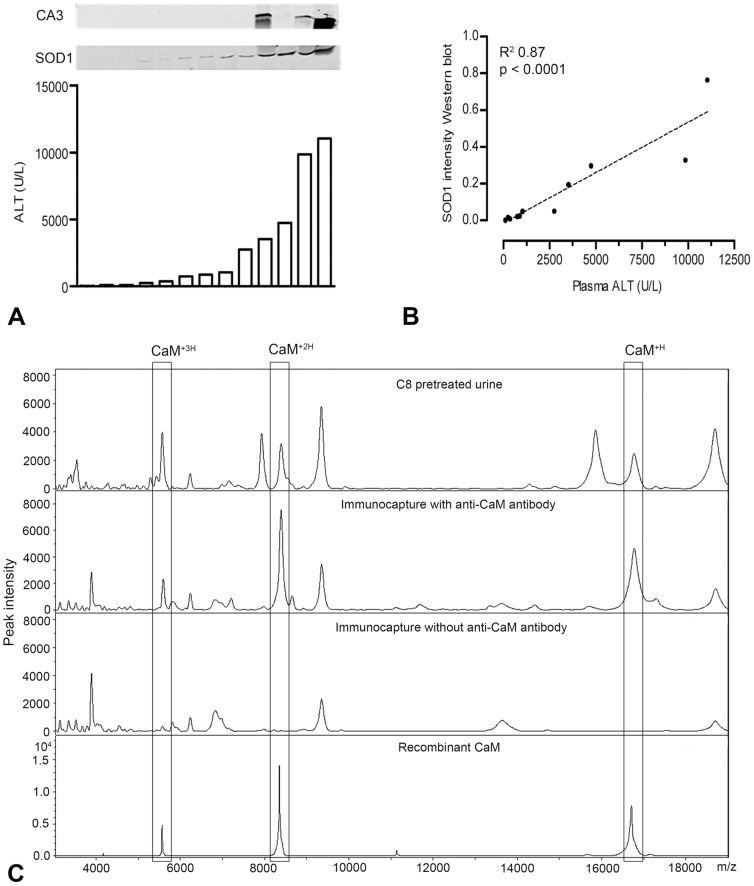
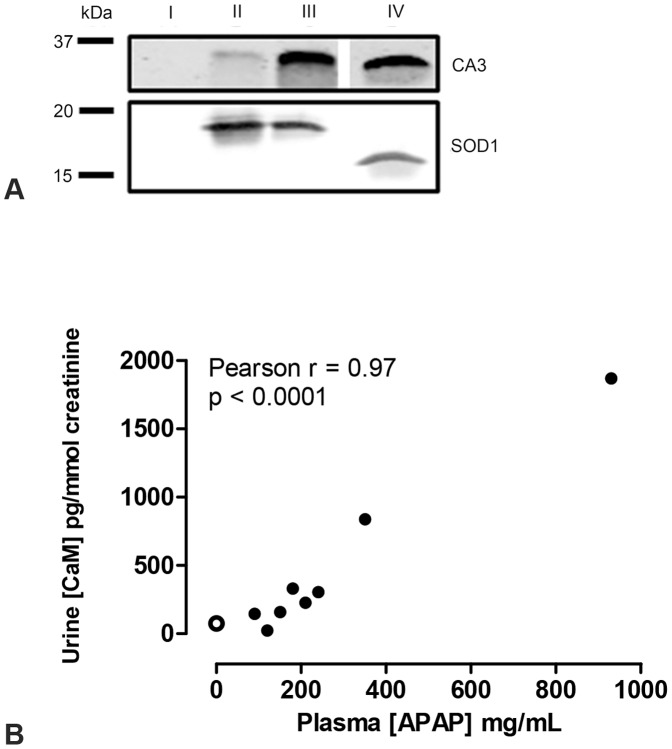
Drug-induced liver injury (DILI) is the leading cause of acute liver failure. Currently, no adequate predictive biomarkers for DILI are available. This study describes a translational approach using proteomic profiling for the identification of urinary proteins related to acute liver injury induced by acetaminophen (APAP). Mice were given a single intraperitoneal dose of APAP (0-350 mg/kg bw) followed by 24 h urine collection. Doses of ≥275 mg/kg bw APAP resulted in hepatic centrilobular necrosis and significantly elevated plasma alanine aminotransferase (ALT) values (p<0.0001). Proteomic profiling resulted in the identification of 12 differentially excreted proteins in urine of mice with acute liver injury (p<0.001), including superoxide dismutase 1 (SOD1), carbonic anhydrase 3 (CA3) and calmodulin (CaM), as novel biomarkers for APAP-induced liver injury. Urinary levels of SOD1 and CA3 increased with rising plasma ALT levels, but urinary CaM was already present in mice treated with high dose of APAP without elevated plasma ALT levels. Importantly, we showed in human urine after APAP intoxication the presence of SOD1 and CA3, whereas both proteins were absent in control urine samples. Urinary concentrations of CaM were significantly increased and correlated well with plasma APAP concentrations (r = 0.97; p<0.0001) in human APAP intoxicants, who did not present with elevated plasma ALT levels. In conclusion, using this urinary proteomics approach we demonstrate CA3, SOD1 and, most importantly, CaM as potential human biomarkers for APAP-induced liver injury.
Conflict of interest statement
Figures
References
-
- Stine JG, Lewis JH (2011) Drug-induced liver injury: a summary of recent advances. ExpertOpinDrug Metab Toxicol 7: 875–890. - PubMed
-
- Ozer J, Ratner M, Shaw M, Bailey W, Schomaker S (2008) The current state of serum biomakers of hepatotoxicity. Toxicology 245: 194–205. - PubMed
-
- Watkins PB, Seligman PJ, Pears JS, Avigan MI, Senior JR (2008) Using controlled clinical trials to learn more about acute drug-induced liver injury. Hepatology 48: 1680–1689. - PubMed
-
- Banks AT, Zimmerman HJ, Ishak KG, Harter JG (1995) Diclofenac-associated hepatotoxicity: analysis of 180 cases reported to the Food and Drug Administration as adverse reactions. Hepatology 22: 820–827. - PubMed
-
- Visser K, van der Heijde DM (2009) Risk and management of liver toxicity during methotrexate treatment in rheumatoid and psoriatic arthritis: a systematic review of the literature. Clin Exp Rheumatol 27: 1017–1025. - PubMed
Publication types
MeSH terms
Substances
LinkOut - more resources
Full Text Sources
Medical
Miscellaneous
