


Systems pharmacology uncovers Janus functions of botanical drugs: activation of host defense system and inhibition of influenza virus replication
- PMID: 23168537
- PMCID: PMC7108588
- DOI: 10.1039/c2ib20204b
Systems pharmacology uncovers Janus functions of botanical drugs: activation of host defense system and inhibition of influenza virus replication
Abstract
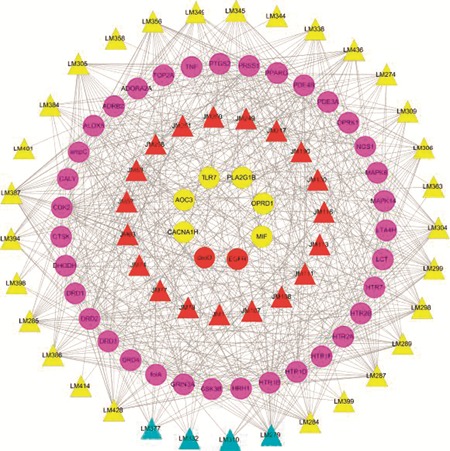
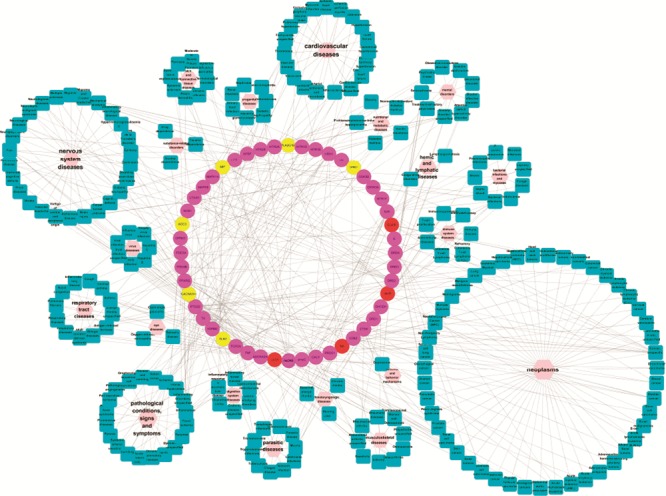
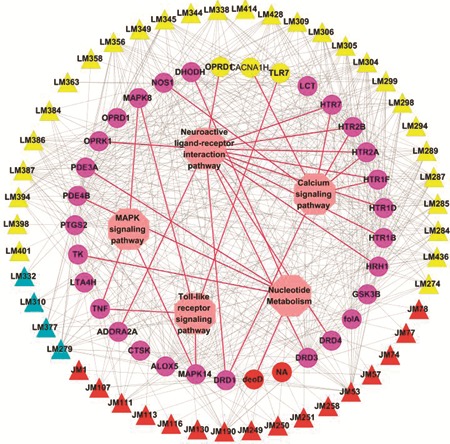
Given the imminent threat of influenza pandemics and continuing emergence of new drug-resistant influenza virus strains, novel strategies for preventing and treating influenza disease are urgently needed. Herbal medicine, used for thousands of years in combinational therapies (Herb Formula), plays a significant role in stimulating the host immune system in vivo, and meanwhile, in fighting against the pandemic by directly inhibiting influenza virus in vitro. Such potential Janus functions may spark interest in therapeutic manipulation of virus diseases. Unfortunately, the molecular mechanism of the Janus functions of the medicinal herbs in the treatment of influenza remains unclear. In this work, to illustrate the therapeutic concept of Janus functions in the treatment of influenza, we have introduced a novel systems pharmacology model that integrates pharmacokinetic screening, targeting and network analysis of two representative herbs Lonicera japonica and Fructus Forsythiae that are efficient in the treatment of influenza, inflammation and other diseases. 50 Chemicals with favorable pharmacokinetic profiles have been identified for the two herbs, and the ligand-target network was constructed by complementing the literature-based experimental data deposited in DrugBank. The annotation of these chemicals was assigned using a novel drug targeting approach, and mapped to target-disease and drug-target-pathway networks. The overall data suggest that the medicinal herbs function by indirectly suppressing the virus proliferation via regulating the immune systems in hosts, and also, by directly inhibiting virus proliferation through targeting viral proteins essential for the viral life cycle. For the first time, we have demonstrated the mechanism of medicinal herbs in prevention and treatment of virus diseases via the Janus functions on a systematic level.
Figures
References
-
- Tumpey T. M., Basler C. F., Aguilar P. V., Zeng H. and Solorzano A., et al. , Characterization of the reconstructed 1918 Spanish influenza pandemic virus, Science, 2005, 310, 77–80. - PubMed
-
- Simonsen L., Clarke M. J., Schonberger L. B., Arden N. H. and Cox N. J., et al. , Pandemicversus epidemic influenza mortality: a pattern of changing age distribution, J. Infect. Dis., 1998, 178, 53–60. - PubMed
-
- Moscona A., Neuraminidase inhibitors for influenza, N. Engl. J. Med., 2005, 353, 1363–1373. - PubMed
-
- Deyde V. M., Xu X., Bright R. A., Shaw M. and Smith C. B., et al. , Surveillance of resistance to adamantanes among influenza A(H3N2) and A(H1N1) viruses isolated worldwide, J. Infect. Dis., 2007, 196, 249–257. - PubMed
Publication types
MeSH terms
Substances
LinkOut - more resources
Full Text Sources
Other Literature Sources
