


A model for cancer-suppressive inflammation
- PMID: 23170261
- PMCID: PMC3494627
- DOI: 10.4161/onci.21542
A model for cancer-suppressive inflammation
Abstract
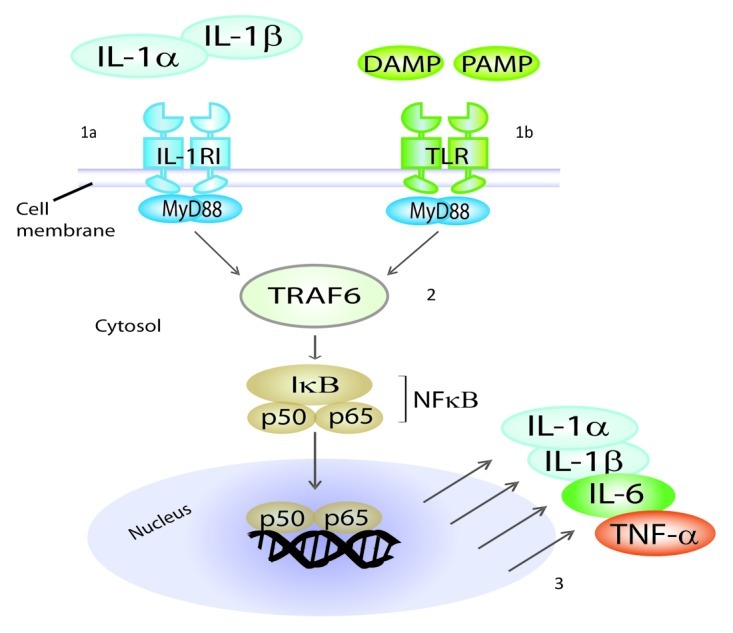
In oncology, inflammation is generally regarded as a cancer-promoting process only. Here, we argue that this view may represent a misleading oversimplification. We present evidence from our own work and from the literature documenting cancer-suppressive aspects of inflammation. We propose that specific types of inflammation, in particular inflammation driven by tumor-specific Th1 cells, may repress rather than promote cancer. Th1 cells collaborate with tumor-infiltrating M1 macrophages to efficiently recognize and eliminate malignant cells. In a Th1 environment, pro-inflammatory cytokines such as interleukin (IL)-1α, IL-1β, IL-6 and tumor-necrosis factor α (TNFα) enhance anti-cancer immunity. Inducing Th1-type inflammation may significantly improve immunotherapeutic strategies against cancer.
Figures




References
-
- Pelliniemi TT, Irjala K, Mattila K, Pulkki K, Rajamäki A, Tienhaara A, et al. Finnish Leukemia Group Immunoreactive interleukin-6 and acute phase proteins as prognostic factors in multiple myeloma. Blood. 1995;85:765–71. - PubMed
Publication types
LinkOut - more resources
Full Text Sources
Other Literature Sources
