


Running-induced epigenetic and gene expression changes in the adolescent brain
- PMID: 23178748
- PMCID: PMC3686974
- DOI: 10.1016/j.ijdevneu.2012.11.002
Running-induced epigenetic and gene expression changes in the adolescent brain
Abstract
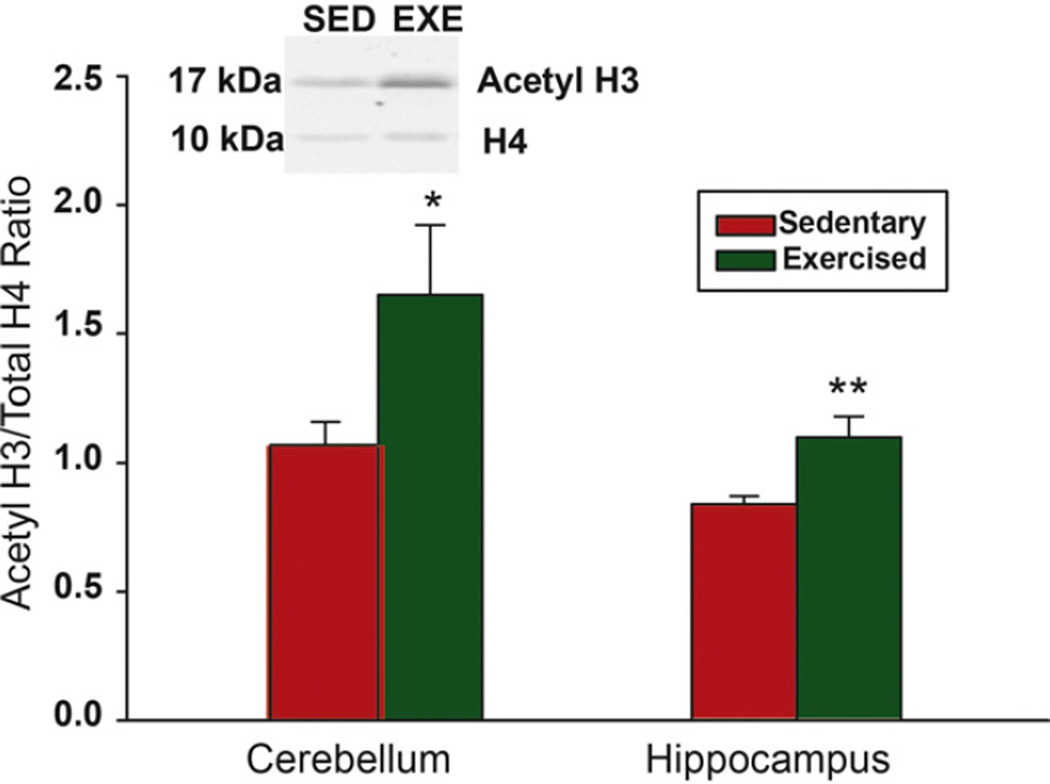
Physical exercise is associated with positive neural functioning. Here we examined the gene expression consequences of 1 week of voluntary wheel running in adolescent male mice. We assayed expression levels of genes associated with synaptic plasticity, signaling pathways, and epigenetic modifying enzymes. Two regions were examined: the hippocampus, which is typically examined in exercise studies, and the cerebellum, an area directly involved in motor control and learning. After 1 week of exercise, global acetylation of histone 3 was increased in both brain regions. Interestingly this was correlated with increased brain derived neural growth factor in the hippocampus, as noted in many other studies, but only a trend was found in cerebellum. Differences and similarities between the two areas were noted for genes encoding functional proteins. In contrast, the expression pattern of DNA methyltransferases (Dnmts) and histone deacetylases (Hdacs), genes that influence DNA methylation and histone modifications in general, decreased in both regions with exercise. We hypothesize that epigenetic mechanisms, involving many of the genes assessed here, are essential for the positive affects of exercise on behavior and suspect these data have relevance for adolescent boys.
Keywords: Adolescent; BDNF; Cerebellum; Epigenetic; Exercise; Puberty.
Copyright © 2012 ISDN. Published by Elsevier Ltd. All rights reserved.
Figures
References
-
- Aberg MA, Pedersen NL, Toren K, Svartengren M, Backstrand B, Johnsson T, Cooper-Kuhn CM, Aberg ND, Nilsson M, Kuhn HG. Cardiovascular fitness is associated with cognition in young adulthood. Proceedings of the National Academy of Sciences of the United States of America. 2009;106:20906–20911. - PMC - PubMed
-
- Adlard PA, Perreau VM, Cotman CW. The exercise-induced expression of BDNF within the hippocampus varies across life-span. Neurobiology of Aging. 2005;26:511–520. - PubMed
-
- Archer T, Kostrzewa RM. Physical exercise alleviates ADHD symptoms: regional deficits and development trajectory. Neurotoxicity Research. 2012;21:195–209. - PubMed
-
- Baillieux H, De Smet HJ, Paquier PF, De Deyn PP, Marien P. Cerebellar neurocognition: insights into the bottom of the brain. Clinical Neurology and Neurosurgery. 2008;110:763–773. - PubMed
-
- Berchtold NC, Chinn G, Chou M, Kesslak JP, Cotman CW. Exercise primes a molecular memory for brain-derived neurotrophic factor protein induction in the rat hippocampus. Neuroscience. 2005;133:853–861. - PubMed
Publication types
MeSH terms
Substances
Grants and funding
LinkOut - more resources
Full Text Sources
