


An estimate of syphilis incidence in Eastern Europe
- PMID: 23198131
- PMCID: PMC3484754
- DOI: 10.7189/jogh.02.010402
An estimate of syphilis incidence in Eastern Europe
Abstract
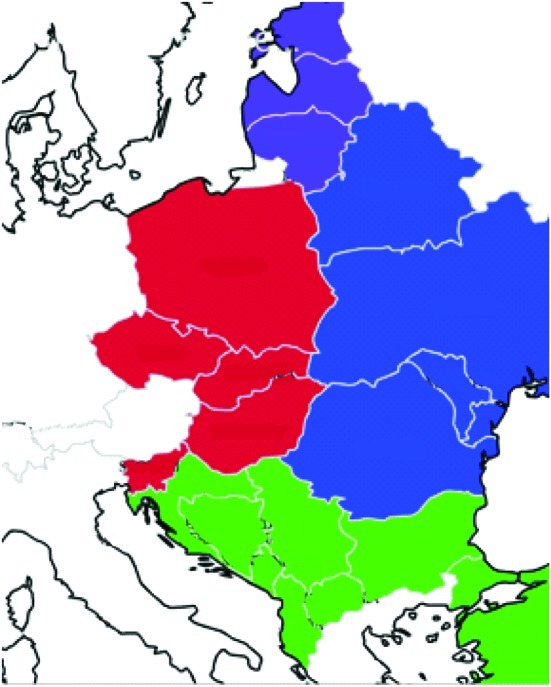
Aim: Eastern Europe experienced epidemic levels of syphilis after the collapse of the Soviet Union. Presently data are less comprehensive outside the European Union (EU) and European Free Trade Association (EFTA). This review aims to identify published papers with suitable data to estimate a regional burden of disease for syphilis in the 19 member countries of Eastern Europe.
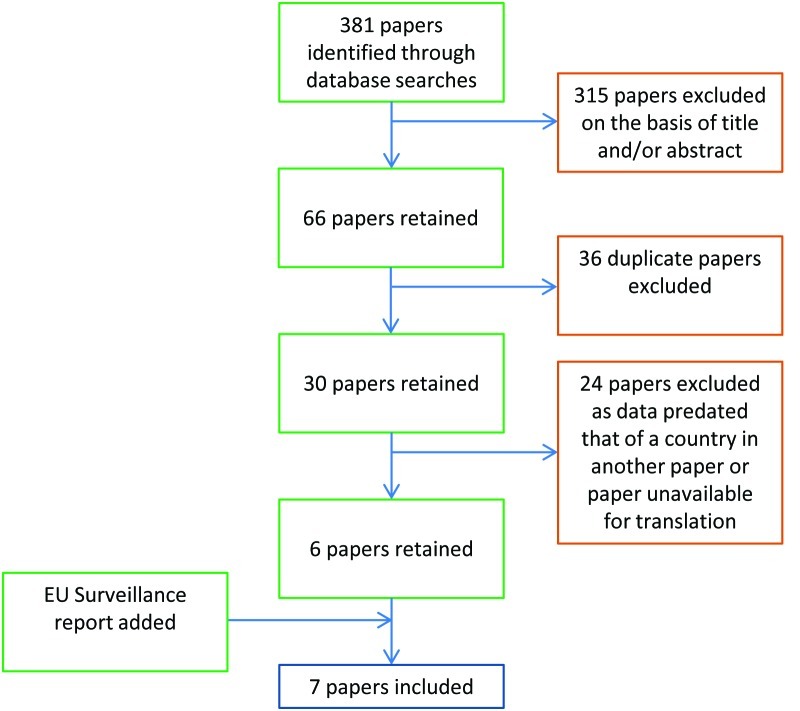
Methods: A systematic literature review was conducted to identify published data relating to syphilis incidence in Eastern Europe through Web of Knowledge, PubMed and Google Scholar databases in addition to the latest surveillance report from the European Center for Disease Prevention and Control. A total of 381 papers fitted our search criteria; 30 papers were subjected to full text analysis.
Results: Seven papers were included in this study and provided useable data for 13 out of 19 member countries. There was a high level of heterogeneity observed in the incidence rates from the member countries. Gross, population weighted and geographically subdivided incidence rate estimates were carried out but the comprehensiveness of some of the included data is doubtful.
Conclusions: Despite the limits of the data, the incidence of syphilis in Eastern Europe is still substantially larger than that observed in the EU15 countries. This indicates that efforts to control syphilis in Eastern Europe can be enhanced; however, such goals would require significant investment in infrastructure, technology and surveillance mechanisms.
Figures
References
-
- Pathela P, Braunstein SL, Schillinger JA, Shepard C, Sweeney M, Blank S.Men who have sex with men have a 140-fold higher risk for newly diagnosed HIV and syphilis compared with heterosexual men in New York CityJ Acquir Immune Defic Syndr 201158408–16.doi:10.1097/QAI.0b013e318230e1ca10.1097/QAI.0b013e318230e1ca - DOI - PubMed
-
- Pankratov OV, Saluk YV, Klimova LV.Epidemiology of syphilis in pregnant women and congenital syphilis in BelarusActa Dermatovenerol Alp Panonica Adriat 20061535–8. - PubMed
LinkOut - more resources
Full Text Sources