. 2011 Dec;2(4):315-32.
doi: 10.1007/s13167-011-0134-6. Epub 2011 Dec 29.

European strategies in predictive, preventive and personalised medicine: highlights of the EPMA World Congress 2011

Affiliations

European strategies in predictive, preventive and personalised medicine: highlights of the EPMA World Congress 2011

Olga Golubnitschaja et al. EPMA J. 2011 Dec.

Abstract

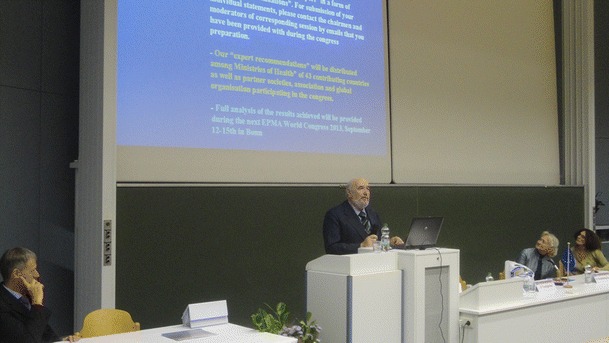
This article highlights the central events of the EPMA World Congress 2011 - the strategic meeting of the European Association for Predictive, Preventive and Personalised Medicine (PPPM). European strategies related to PPPM have been discussed in specialised sessions dedicated toHealthcare in overview across the globeCollaboration with global organisationsGranting strategies in PPPMEducation in PPPMPatient needsTargeted preventionPPPM in reproductive medicine & paediatricsPPPM in diabetes carePPPM in neurodegenerative diseasesPPPM in cancerPPPM in cardiovascular diseasesInnovative PPPM-centresBiomarker validation and standardsPatient-specific modelling and bioinformatics in PPPMPPPM-related bio-preservation, biobanking & ethicsEPMA "expert recommendations" will be presented to Ministries of Health of 44 contributing countries, partner societies, associations, funding agencies and global organisations that participated in the congress. Full analysis of the outcomes will be provided during the next EPMA World Congress in September 2013.


Figures
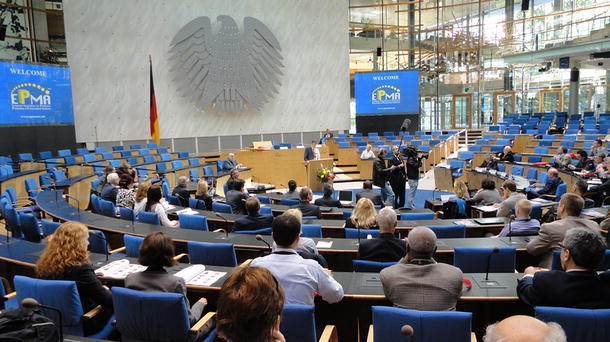
Fig. 1
Fig. 1
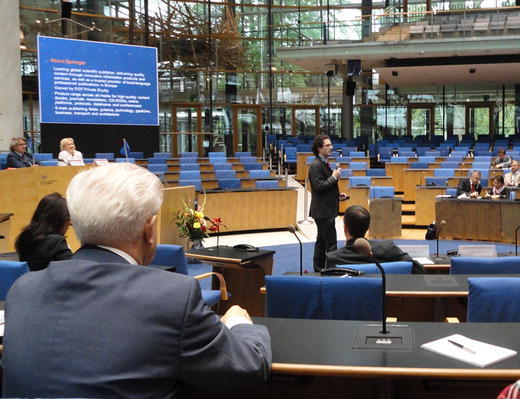
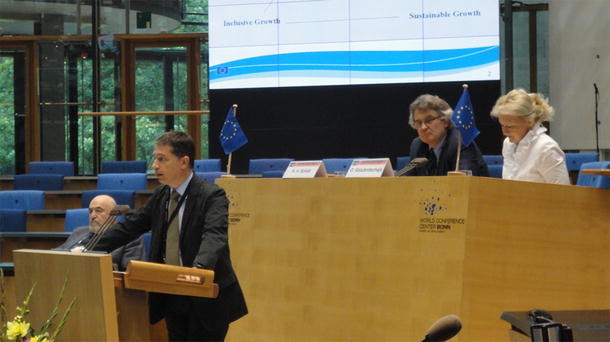
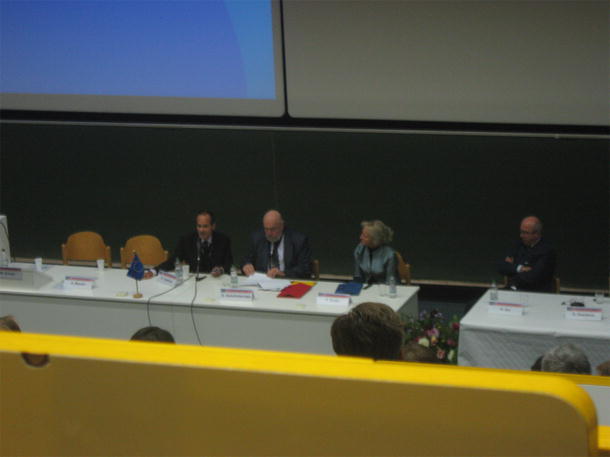
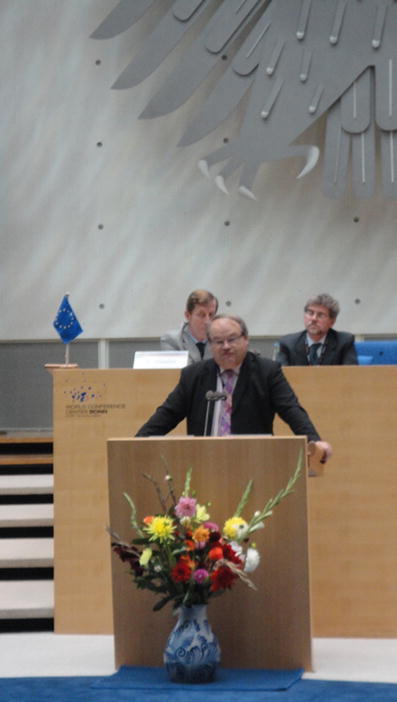
EPMA-President, Dr. Vincenzo Costigliola and EPMA-Secretary-General, Prof. Dr. Olga Golubnitschaja, opened the World Congress 2011. In the welcome address, Lord Mayor of Bonn, Mr. Jürgen Nimptsch and Rector of the University of Bonn, Prof. Dr. Jürgen Fohrman, stressed the importance of personalised medicine and innovation in healthcare for the scientific world and the general population. UNO-protected City Bonn and Friedrich-Wilhelms-University both have greatly supported our efforts to organise the congress, thereby emphasising that EPMA World Congress is a very welcome event in Bonn to promote innovative ideas and measures in medical fields
Fig. 2
Fig. 2
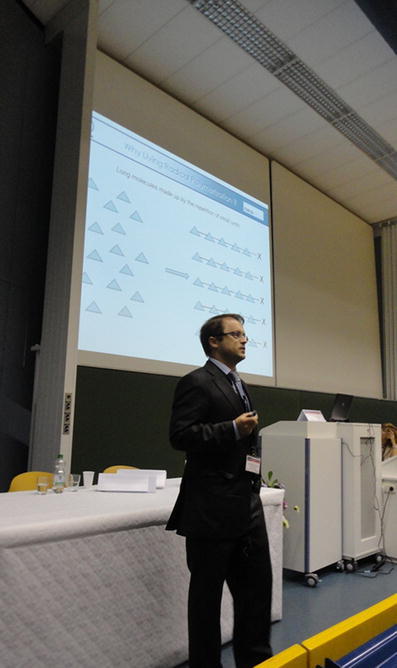
Dr. Martijn Roelandse, Springer, The Netherlands, explains the meaning of and Springer strategies in the promotion of the EPMA J. and book-series “Advances in PPPM” as highly requested educational and didactic materials in the field of innovative medicines
Fig. 3
Fig. 3
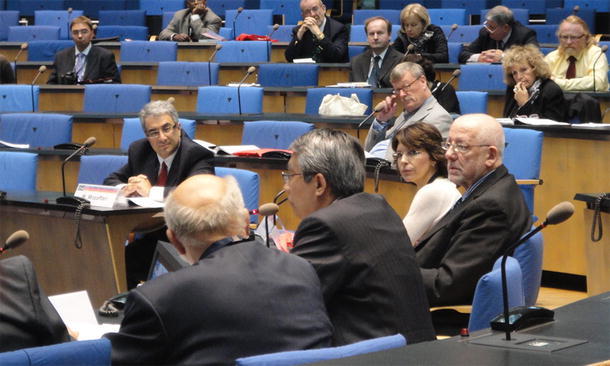
Analysis of the EPMA J. strategies: “round-table” discussion by Associate Editors, (left to right) Prof. Dr. Mahmood Mozaffari, USA (specialised journal-issue dedicated to “PPPM in Diabetes”), Dr. Silvia Mandel, Israel (specialised journal-issue dedicated to “PPPM in Neurodegenerative Diseases”, Prof. Dr. Dominic Desiderio, USA (specialised journal-issue dedicated to “PPPM in Cancer”), Prof. Dr. Hiroyasu Iso, Japan (specialised journal-issue dedicated to “PPPM in Cardiovascular Diseases”), and Prof. Dr. Ondrej Topolcan, National Representative of EPMA in Czech Republic
Fig. 4
Fig. 4
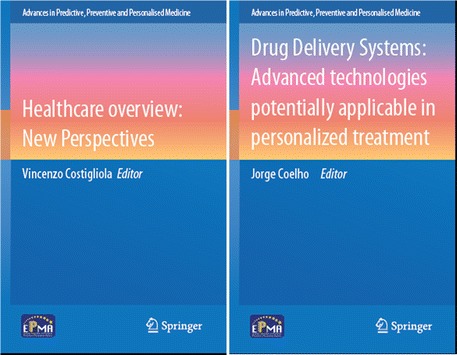
Book-series “Advances in Predictive, Preventive and Personalised Medicine” in preparation by EPMA / Springer to be released in the years 2012–2015 as the didactic material for specialised educational programmes dedicated to PPPM
Fig. 5
Fig. 5
Moderator of the session and Editor-in-Chief of the EPMA J., Prof. Dr. Olga Golubnitschaja emphasising the EPMA tasks in education of general population to promote participative medicine, “patient-doctor” collaboration, as well as education for professional groups and educational courses for private companies, e.g. employing shift-workers, etc
Fig. 6
Fig. 6
Well-created educational and training programmes are essential and urgent to prepare new generations of professionals in innovative bio/medical fields as elucidated by Mr. João Delgado, Head of Unit “Vocational Education and Training Policy”, Leonardo da Vinci Programme, EU-Commission in Brussels, Belgium; Chairman of the Session – Prof. Dr. Hans H. Schild, Germany
Fig. 7
Fig. 7
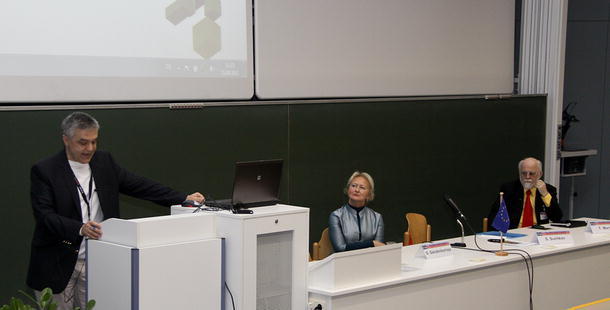
Inflammation and autoimmune diseases represent high risk for secondary complications and severe pathologies such as diabetes, cardiovascular diseases and cancer. The predisposition and individual risk factors should be diagnosed at the molecular level before the diseases manifestation to make targeted prevention and personalised treatments as effective as possible. This message has been well-justified by both speakers, Prof. Dr. Sergei Suchkov Russia (left), and Prof. Dr. Trevor Marshall, Australia / USA (rights)
Fig. 8
Fig. 8
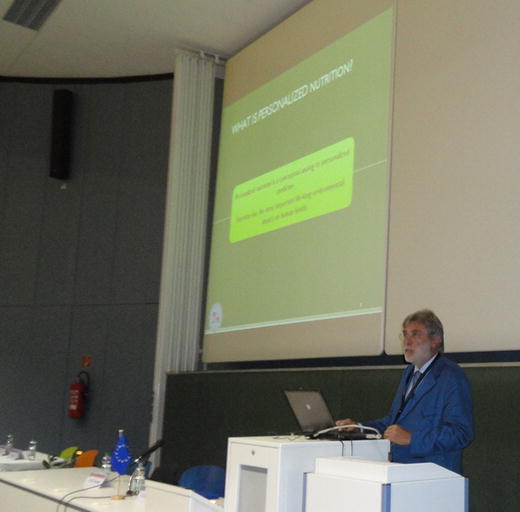
“What is personalised nutrition?” The crucial question for the educational symposium has been positioned by the chairman, Prof. Dr. Guglielmo Trovato, Italy
Fig. 9
Fig. 9
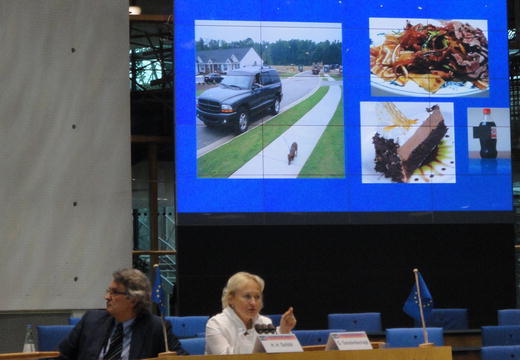
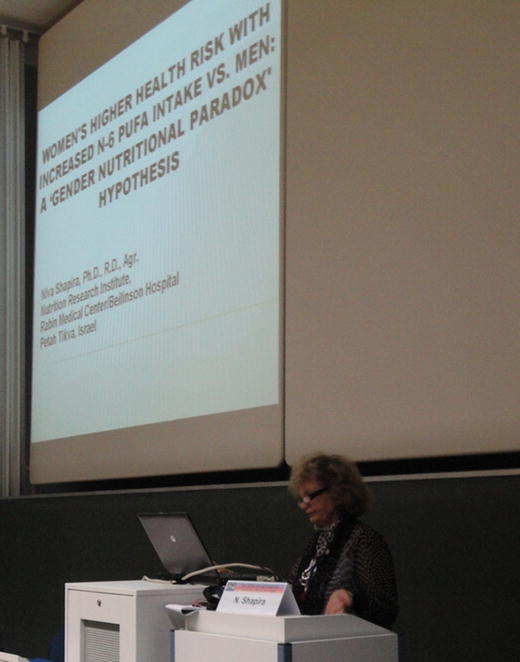
“Gender Nutritional Paradox” and risks by imbalanced diet with particular impacts for female health as demonstrated by Dr. Niva Shapira, Israel
Fig. 10
Fig. 10
Dr. György Németh - the President of the Hungarian Personalised Medicine Association, HPMA (left) and Prof. Dr. Paolo Roberti di Sarsina - the President of the Italian Charity Association for Person Centred Medicine (right) providing a short introductory speech into signing ceremony. There was a great consensus in the message: to effectively promote PPPM in Europe and in the global scale, we need a consolidation of leading organisations. EPMA provides the robust umbrella for the consolidation in the field
Fig. 11
Fig. 11
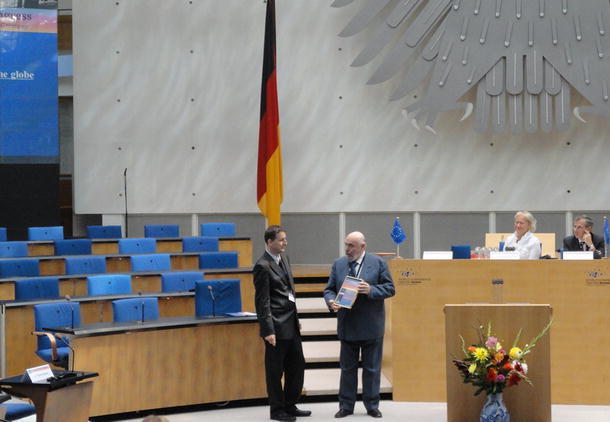
Prof. Dr. Jorge Coelho, Portugal presenting his awarded article, which is the best requested review (more than 1.000 requests in years 2010–2011) in the EPMA J. since 2010; Chairmen of the specialised session on “PPPM in Diabetes” – Prof. Dr. Mahmood Mozaffari, USA, and Prof. Dr. Tatjana Josifova, Switzerland
Fig. 12
Fig. 12
Dr. Marko Kapalla (left), National Representative of EPMA in Slovak Republic receiving the Diploma of the EPMA J. from the EPMA-President Dr. Vinceuzo Costigliola for the best review-article in the category “PPPM in Healthcare Overview 2010”; Chairman of the session – Dr. Wouter Spek, the Representative of EuroBioForum, The Netherlands
Fig. 13
Fig. 13
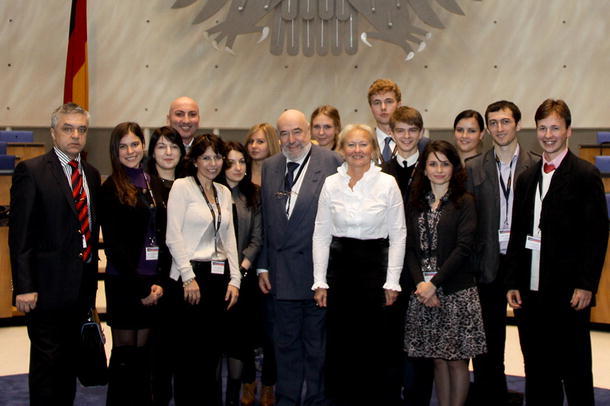
Russian Delegation of the EPMA-SYP with its Supervisor, Prof. Dr. Sergei Suchkov (left), and (in front of the group) EPMA-board Representatives – Dr. Silvia Mandel, Dr. Vincenzo Costigliola, Prof. Dr. Olga Golubnitschaja
Fig. 14
Fig. 14
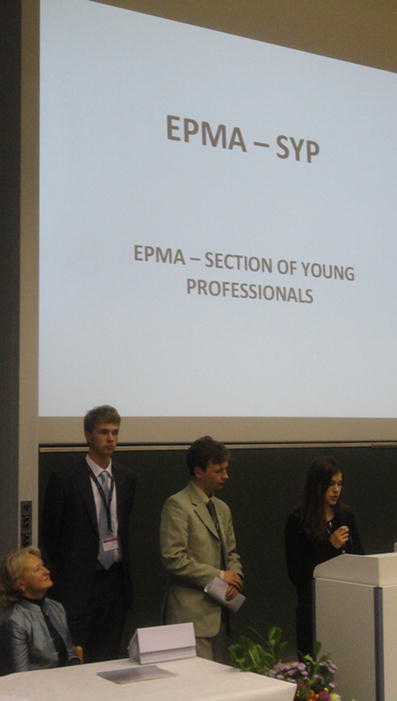
The first draft of the EPMA-SYP principles as elaborated by the nominated Working Group: the presentation is made by Speakers of the Working Group (from left to right): MD Dmitry Kostiushev, MD Maxim Sautin, and MD Anastasia Merkulova, Russia
Fig. 15
Fig. 15
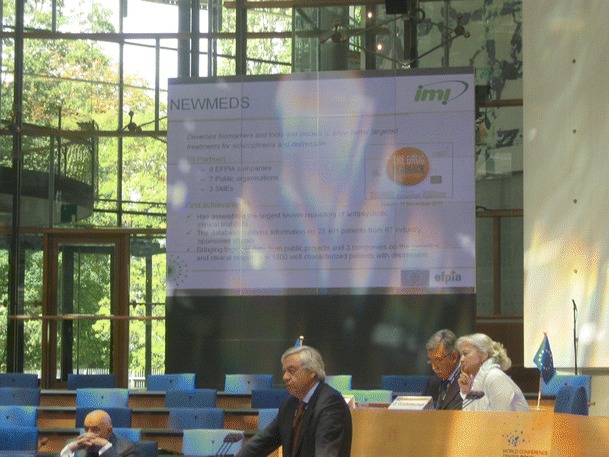
Prof. Dr. Michel Goldman introducing granting strategies of the Innovative Medicines Initiatives, EU-Commission in Brussels, Belgium
Fig. 16
Fig. 16
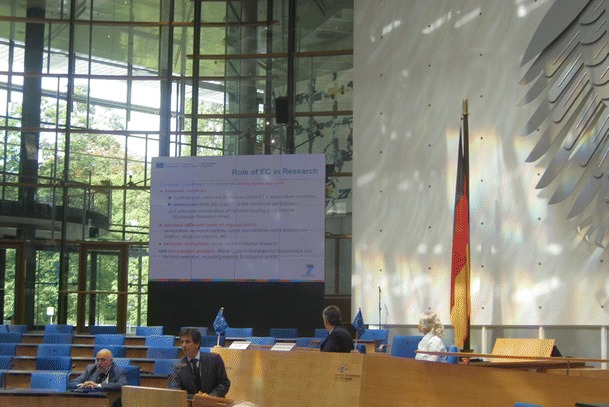
Dr. Jean-Luc Sanne comments on the granting strategies – the “Vision 2020” – elaborated by the EU-Commission for the new frame programme in personalised medicine starting effectively in 2013 and lasting during the next 10 years
Fig. 17
Fig. 17
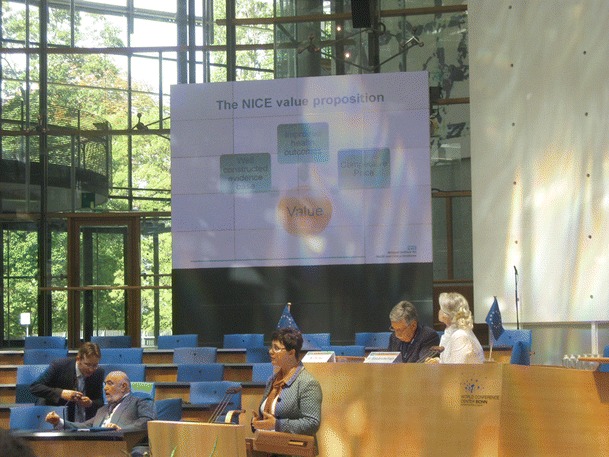
Prof. Dr. Carol Longson presenting the national programmes in global context of personalised medicine; Chairman of the Session – Prof. Dr. Olga Golubnitschaja, Germany; Moderator – Prof. Dr. Maurizio Ferrari, Italy
Fig. 18
Fig. 18
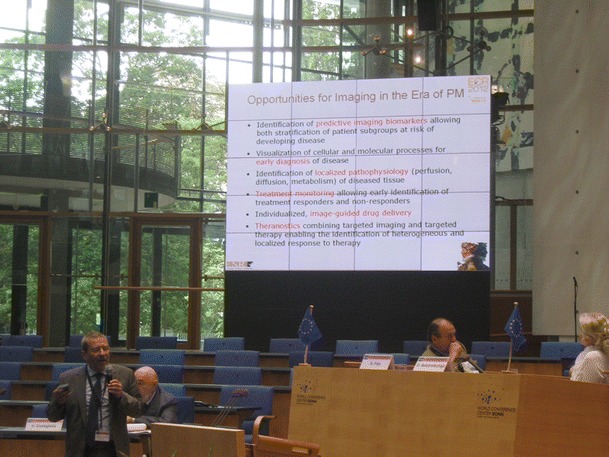
Prof. Dr. Gabriel Krestin, Vice-President of the European Society of Radiology presenting the concept of imaging technologies in predictive diagnostics, targeted drug delivery and personalised treatment approaches; Chairman of the Session – Prof. Dr. Guy Frija, France; Moderator – Prof. Dr. Olga Golubnitschaja, Germany
Fig. 19
Fig. 19
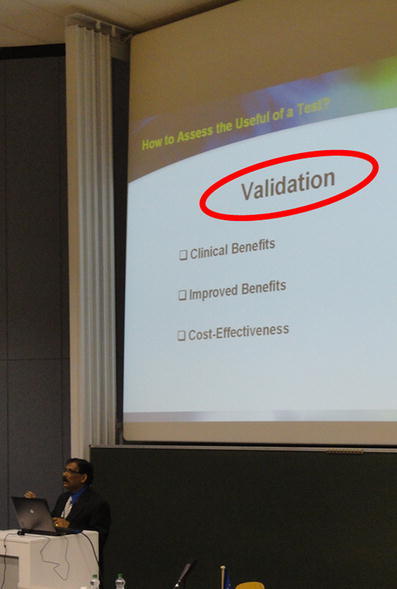
Dr. Sudhir Srivastava, chief of EDRN, NCI / NIH, USA presenting the concept of the network and validation procedure for novel biomarkers for diagnostics and treatment monitoring
Fig. 20
Fig. 20
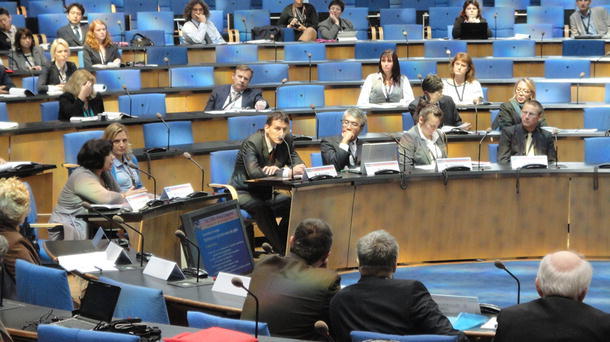
Panel discussion in the specialised session “Healthcare in overview across the globe”: (left to right) National Representatives – Ms. Tsveta Georgieva, Bulgaria; Prof. Dr. Kneginja Richter, Macedonia FYROM & Bavaria (Germany); Dr. Marko Kapalla, Slovakia; Prof. Dr. Hiroyasu Iso, Japan; Dr. Konstantina Grosios, UK; Prof. Dr. Friedemann Paul, Germany
Fig. 21
Fig. 21
EPMA focuses on patient needs: exciting speech by John Bowis, OBI, former Minister of Health in UK; Chairmen – Prof. Dr. Maurizio Scarpa, Italy and Dr. Giorgio Vittadini, the Representative of Bracco Imaging, Italy
Fig. 22
Fig. 22
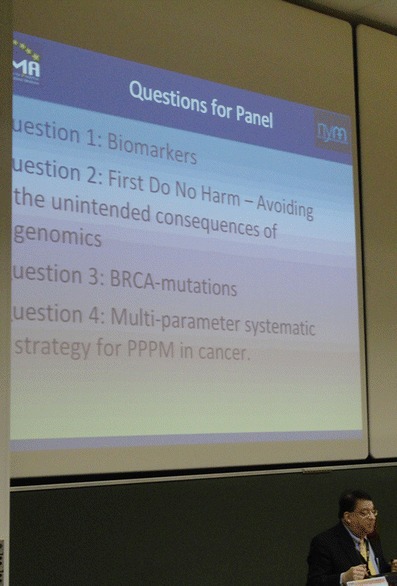
Prof. Dr. Leonard Berliner moderating the panel discussion in the specialised session “PPPM in Cancer”; Chairmen of the session - Prof. Dr. Dominic Desiderio, USA and Prof. Dr. Dainius Characiejus, Lithuania; responsible Editor – Dr. Suzanne Hagan, UK
Fig. 23
Fig. 23
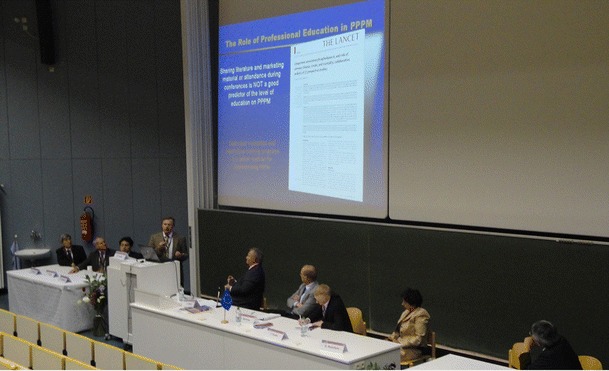
Dr. Anton Jansen, Director of Diadexus emphasising the role of education in PPPM, panel discussion in the specialised session “PPPM in Cardiovascular Diseases”; Chairmen – Prof. Dr. Hiroyasu Iso, Japan and Prof. Dr. Paul Evans, UK; Moderator – Dr. Christian Gluud, Denmark
Fig. 24
Fig. 24
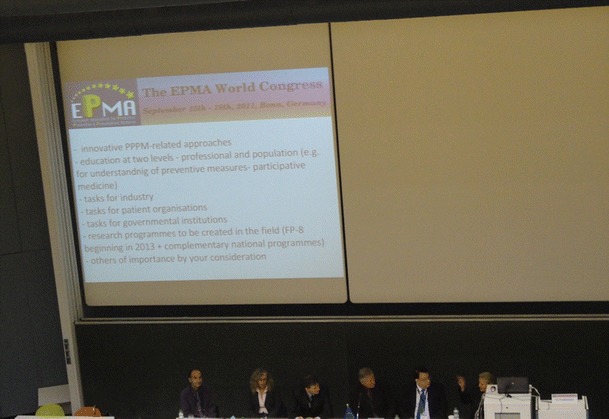
Panel discussion in the specialised session “Patient-specific Modelling and Bioinformatics in PPPM”; Chairmen – Prof. Dr. Heinz Lemke, Germany / USA and Dr. Marko Kapalla, Slovakia; Moderator – Prof. Dr. Halina Podbielska, Poland
Fig. 25
Fig. 25
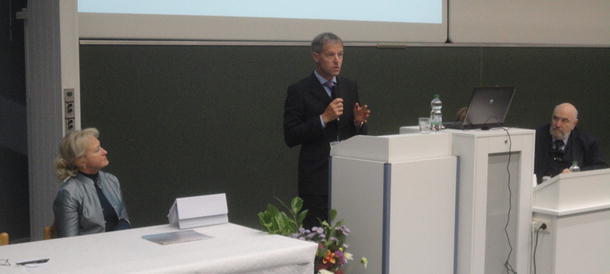
The very last hours of the EPMA World Congress 2011 in Bonn: Prof. Dr. Romano Danesi, National Representative of EPMA in Italy presenting his ideas already drafted for the “expert recommendations”
Fig. 26
Fig. 26
Closing ceremony: The EPMA-President, Dr. Vincenzo Costigliola presenting the milestones for the next EPMA World Congress 2013

Similar articles

Cited by

LinkOut - more resources