


Immune dysfunction in uremia—an update
- PMID: 23202302
- PMCID: PMC3509694
- DOI: 10.3390/toxins4110962
Immune dysfunction in uremia—an update
Abstract
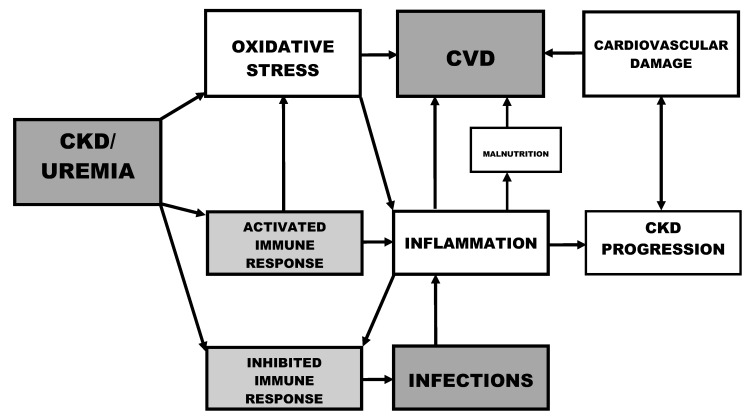
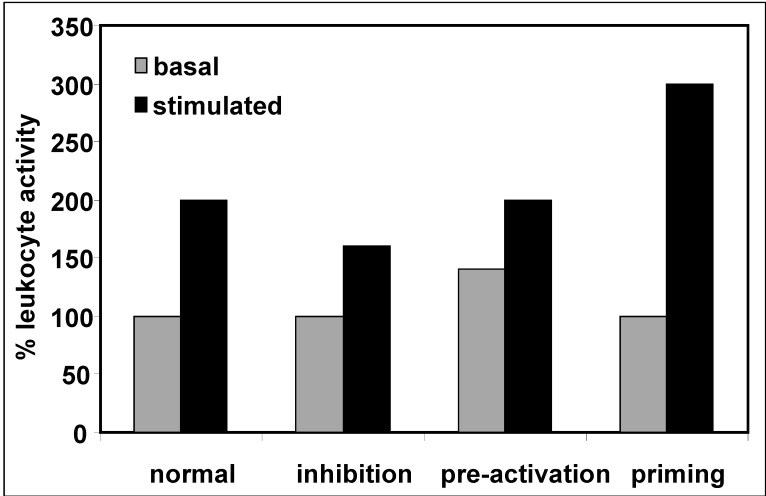
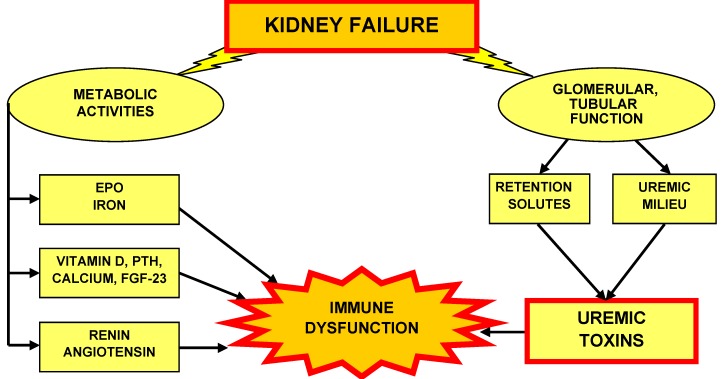
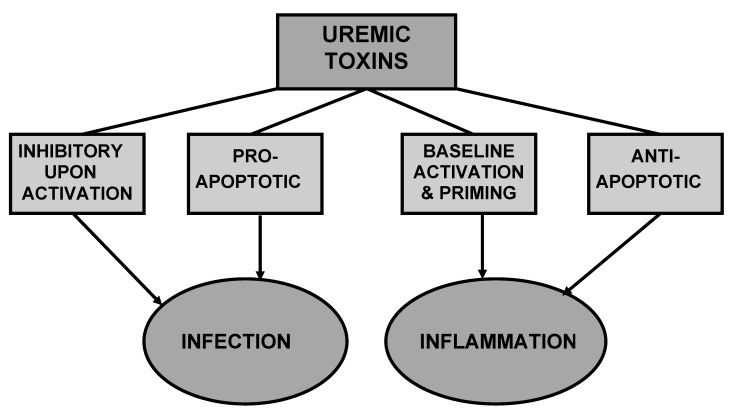
Kidney dysfunction leads to disturbed renal metabolic activities and to impaired glomerular filtration, resulting in the retention of toxic solutes affecting all organs of the body. Cardiovascular disease (CVD) and infections are the main causes for the increased occurrence of morbidity and mortality among patients with chronic kidney disease (CKD). Both complications are directly or indirectly linked to a compromised immune defense. The specific coordinated roles of polymorphonuclear leukocytes (PMNLs), monocytes/macrophages, lymphocytes and antigen-presenting cells (APCs) in maintaining an efficient immune response are affected. Their normal response can be impaired, giving rise to infectious diseases or pre-activated/primed, leading to inflammation and consequently to CVD. Whereas the coordinated removal via apoptosis of activated immune cells is crucial for the resolution of inflammation, inappropriately high apoptotic rates lead to a diminished immune response. In uremia, the balance between pro- and anti-inflammatory and between pro- and anti-apoptotic factors is disturbed. This review summarizes the interrelated parameters interfering with the immune response in uremia, with a special focus on the non-specific immune response and the role of uremic toxins.
Figures
References
-
- Wen C.P., Cheng T.Y., Tsai M.K., Chang Y.C., Chan H.T., Tsai S.P., Chiang P.H., Hsu C.C., Sung P.K., Hsu Y.H., et al. All-cause mortality attributable to chronic kidney disease: A prospective cohort study based on 462 293 adults in Taiwan. Lancet. 2008;371:2173–2182. doi: 10.1016/S0140-6736(08)60952-6. - DOI - PubMed
-
- Meyer T.W., Hostetter T.H. Uremia. N. Engl. J. Med. 2007;357:1316–1325. - PubMed
Publication types
MeSH terms
Substances
LinkOut - more resources
Full Text Sources
Medical
Miscellaneous
