


Lanthanum carbonate for hyperphosphatemia in patients on peritoneal dialysis
- PMID: 23209037
- PMCID: PMC3649899
- DOI: 10.3747/pdi.2012.00600
Lanthanum carbonate for hyperphosphatemia in patients on peritoneal dialysis
Abstract
Background: The efficacy of the phosphate binder lanthanum carbonate has been demonstrated for hemodialysis patients, but no studies have focused on patients undergoing continuous ambulatory peritoneal dialysis (CAPD). We evaluated whether lanthanum carbonate could control phosphate levels in patients on CAPD. ♢
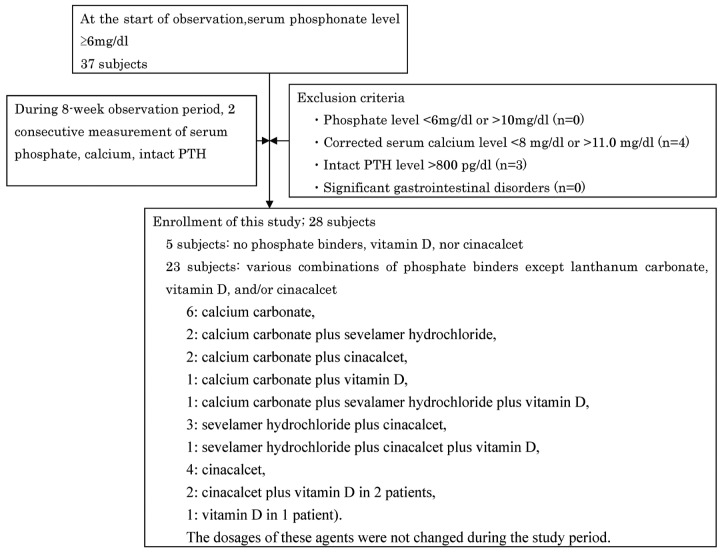
Methods: In this 48-week open-label prospective study, 28 patients on CAPD with a phosphate level of 6 mg/dL or greater were given lanthanum carbonate titrated from 750 mg to 2250 mg daily to achieve a target serum phosphate level of less than 6 mg/dL. The primary efficacy endpoint was reduction of serum phosphate to less than 6 mg/dL. Serum levels of calcium and parathyroid hormone were also evaluated, as were the Ca×P product and adverse effects. ♢
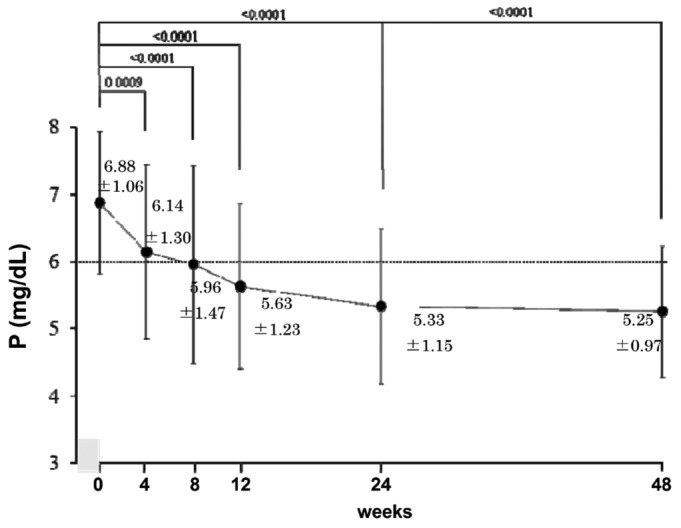
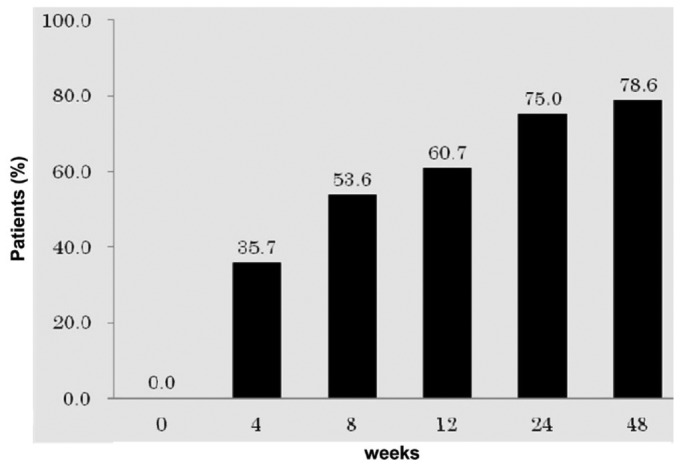
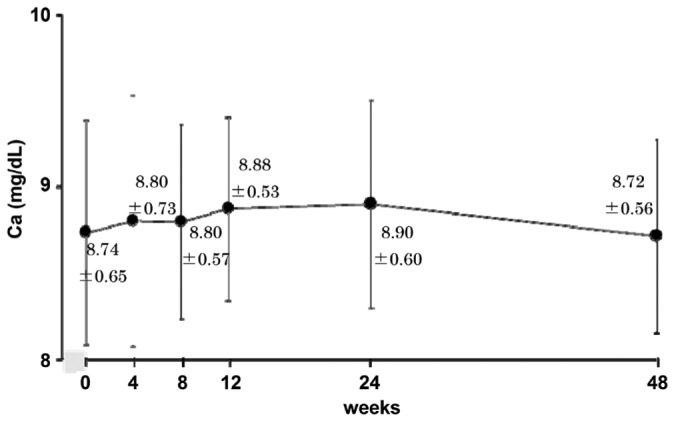
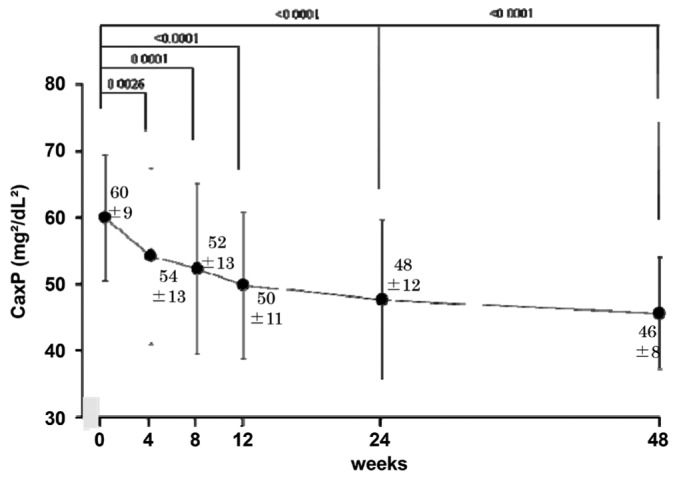
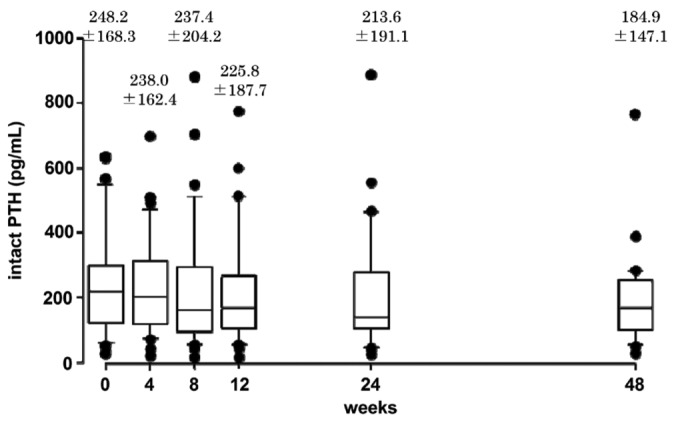
Results: From week 4 to the end of the study at week 48, we observed a significant reduction of serum phosphate to 5.25 ± 0.97 mg/dL from 6.88 ± 1.06 mg/dL at study start (p < 0.01). At the end of the study, 78.6% of participants had achieved the target of less than 6 mg/dL. Because no change of serum calcium occurred, the Ca×P product declined significantly during the study. Intact parathyroid hormone declined gradually over the study period, but the change had not reached significance at the end of the study (p = 0.11). The mean final dose of lanthanum carbonate was 946 mg daily. The only adverse effect reported was mild nausea in 1 patient. ♢
Conclusions: Lanthanum carbonate is an effective phosphate binder that can control serum phosphate and Ca×P product in CAPD patients with hyperphosphatemia. Lanthanum carbonate was well tolerated in our population.
Keywords: CAPD; Ca×P product; Lanthanum carbonate; continuous ambulatory peritoneal dialysis; hyperphosphatemia; parathyroid hormone.
Figures
References
-
- Fukagawa M, Kazama JJ. With or without the kidney: the role of FGF23 in CKD. Nephrol Dial Transplant 2005; 20:1295–8 - PubMed
-
- Slatopolsky E. The intact nephron hypothesis: the concept and its implications for phosphate management in CKD-related mineral and bone disorder. Kidney Int Suppl 2011; (121):S3–8 - PubMed
-
- Friedman EA. Consequences and management of hyperphosphatemia in patients with renal insufficiency. Kidney Int Suppl 2005; (95):1–7 - PubMed
-
- Delmez JA, Slatopolsky E. Hyperphosphatemia: its consequences and treatment in patients with chronic kidney disease. Am J Kidney Dis 1992; 19:303–17 - PubMed
MeSH terms
Substances
LinkOut - more resources
Full Text Sources
Other Literature Sources
Miscellaneous
