


MSH3-deficiency initiates EMAST without oncogenic transformation of human colon epithelial cells
- PMID: 23209772
- PMCID: PMC3507781
- DOI: 10.1371/journal.pone.0050541
MSH3-deficiency initiates EMAST without oncogenic transformation of human colon epithelial cells
Abstract
Background/aim: Elevated microsatellite instability at selected tetranucleotide repeats (EMAST) is a genetic signature in certain cases of sporadic colorectal cancer and has been linked to MSH3-deficiency. It is currently controversial whether EMAST is associated with oncogenic properties in humans, specifically as cancer development in Msh3-deficient mice is not enhanced. However, a mutator phenotype is different between species as the genetic positions of repetitive sequences are not conserved. Here we studied the molecular effects of human MSH3-deficiency.
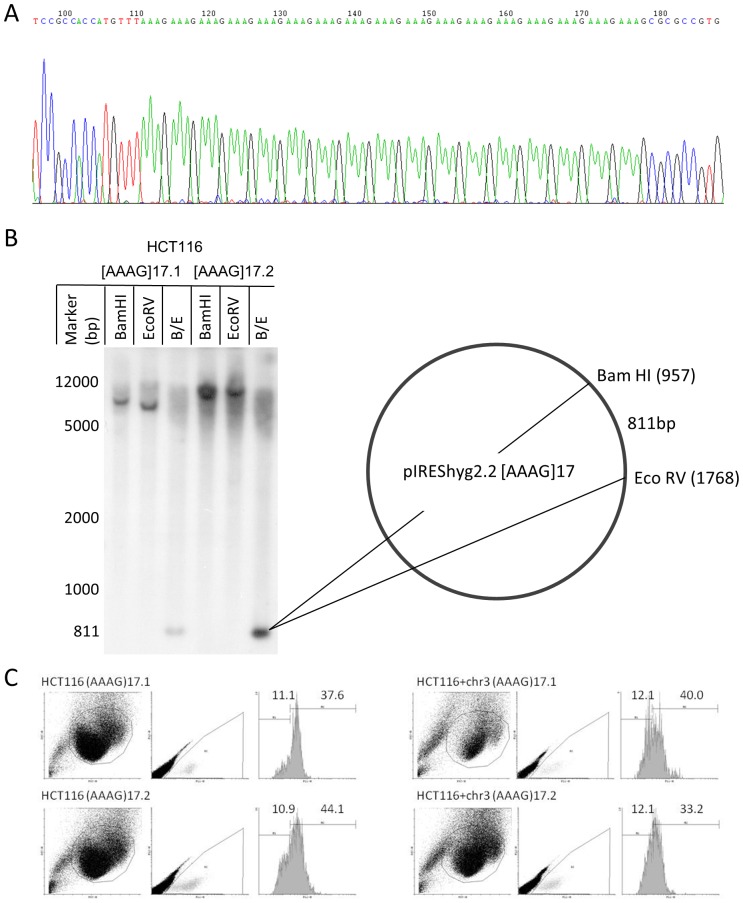
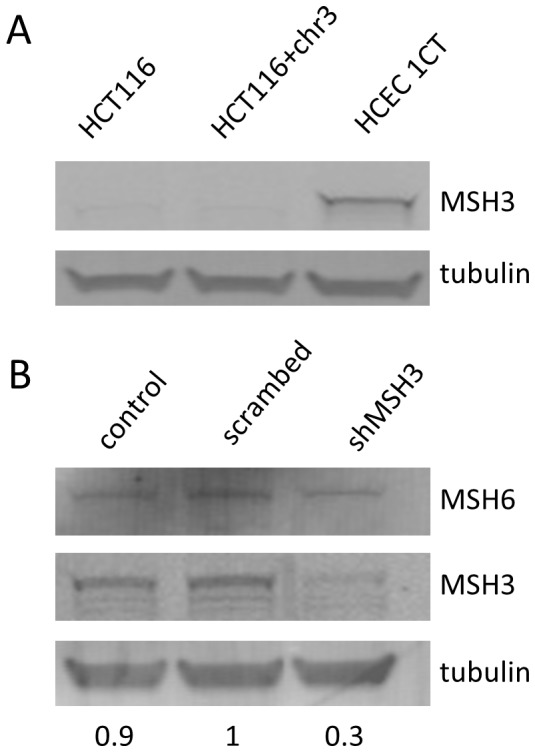
Methods: HCT116 and HCT116+chr3 (both MSH3-deficient) and primary human colon epithelial cells (HCEC, MSH3-wildtype) were stably transfected with an EGFP-based reporter plasmid for the detection of frameshift mutations within an [AAAG]17 repeat. MSH3 was silenced by shRNA and changes in protein expression were analyzed by shotgun proteomics. Colony forming assay was used to determine oncogenic transformation and double strand breaks (DSBs) were assessed by Comet assay.
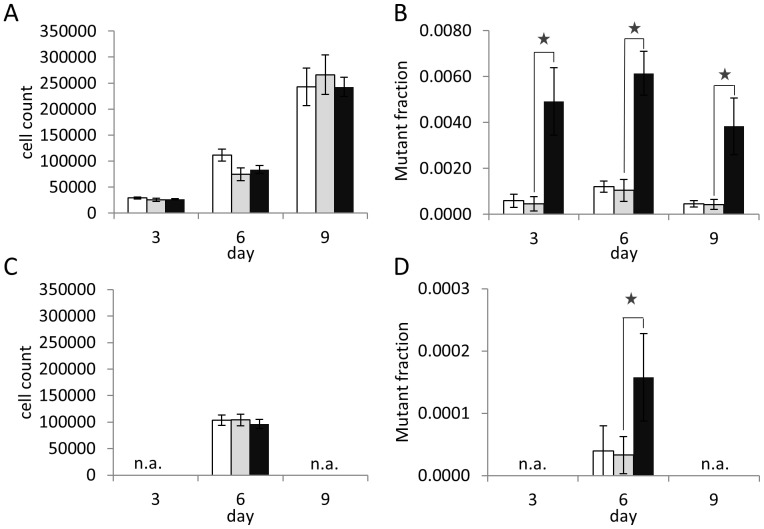
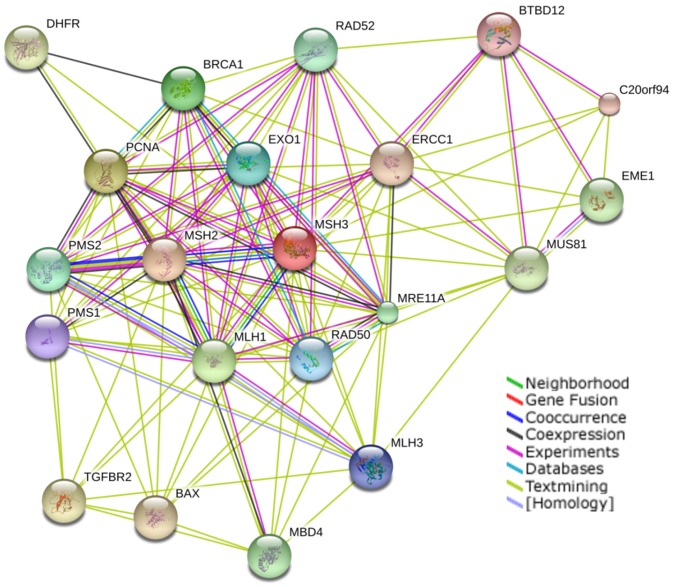
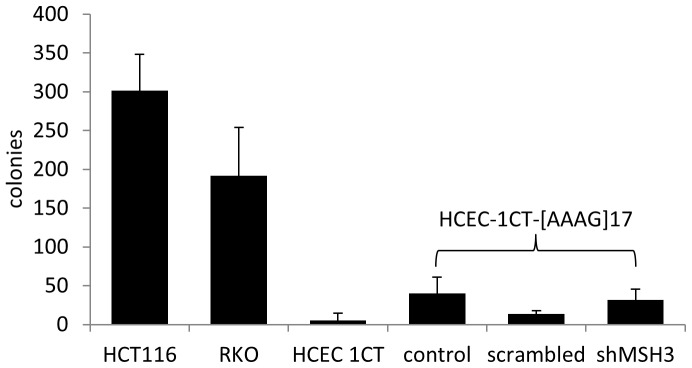
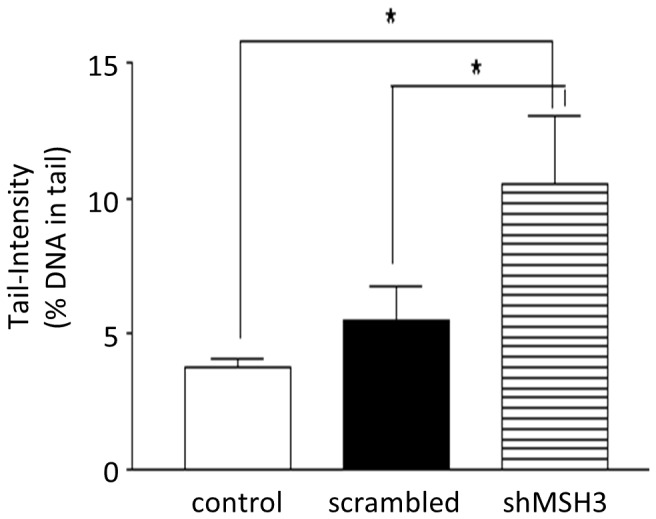
Results: Despite differential MLH1 expression, both HCT116 and HCT116+chr3 cells displayed comparable high mutation rates (about 4×10(-4)) at [AAAG]17 repeats. Silencing of MSH3 in HCECs leads to a remarkable increased frameshift mutations in [AAAG]17 repeats whereas [CA]13 repeats were less affected. Upon MSH3-silencing, significant changes in the expression of 202 proteins were detected. Pathway analysis revealed overexpression of proteins involved in double strand break repair (MRE11 and RAD50), apoptosis, L1 recycling, and repression of proteins involved in metabolism, tRNA aminoacylation, and gene expression. MSH3-silencing did not induce oncogenic transformation and DSBs increased 2-fold.
Conclusions: MSH3-deficiency in human colon epithelial cells results in EMAST, formation of DSBs and significant changes of the proteome but lacks oncogenic transformation. Thus, MSH3-deficiency alone is unlikely to drive human colon carcinogenesis.
Conflict of interest statement
Figures
References
-
- Ahrendt SA, Decker PA, Doffek K, Wang B, Xu L, et al. (2000) Microsatellite instability at selected tetranucleotide repeats is associated with p53 mutations in non-small cell lung cancer. Cancer Res 60: 2488–2491. - PubMed
-
- Woenckhaus M, Stoehr R, Dietmaier W, Wild PJ, Zieglmeier U, et al. (2003) Microsatellite instability at chromosome 8p in non-small cell lung cancer is associated with lymph node metastasis and squamous differentiation. Int J Oncol 23: 1357–1363. - PubMed
Publication types
MeSH terms
Substances
LinkOut - more resources
Full Text Sources
Medical
Research Materials
Miscellaneous
