


Senescent cells: a novel therapeutic target for aging and age-related diseases
- PMID: 23212104
- PMCID: PMC4051295
- DOI: 10.1038/clpt.2012.193
Senescent cells: a novel therapeutic target for aging and age-related diseases
Abstract
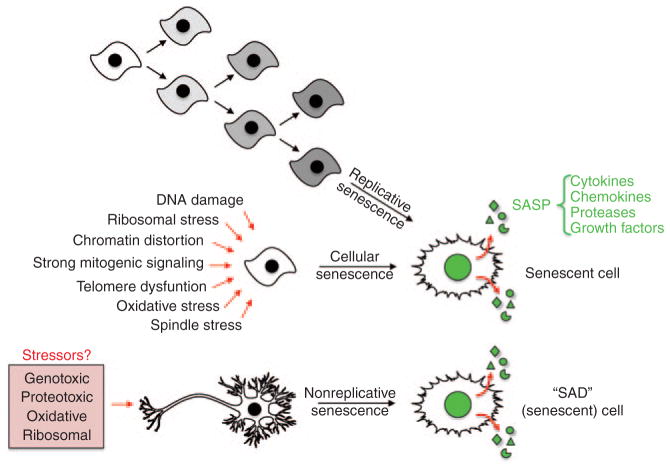
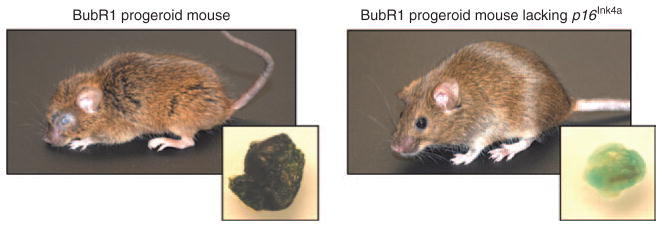
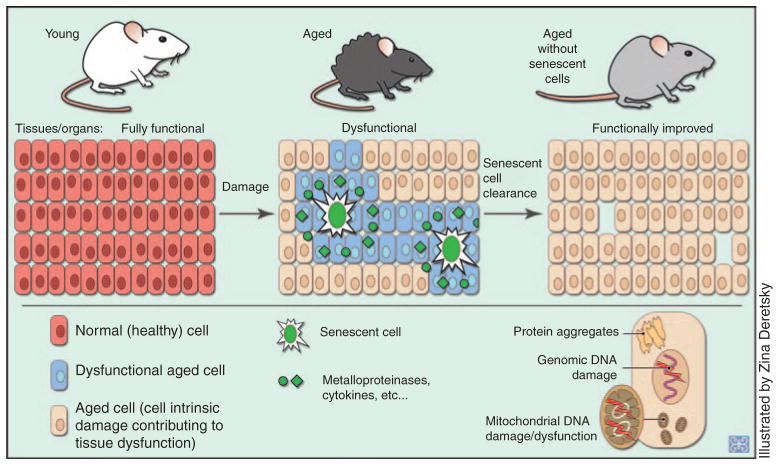
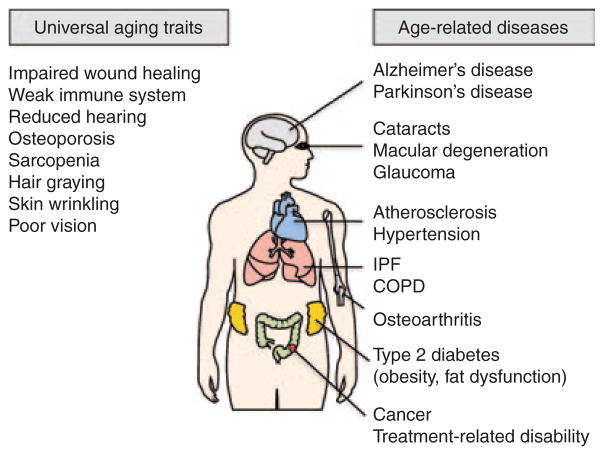
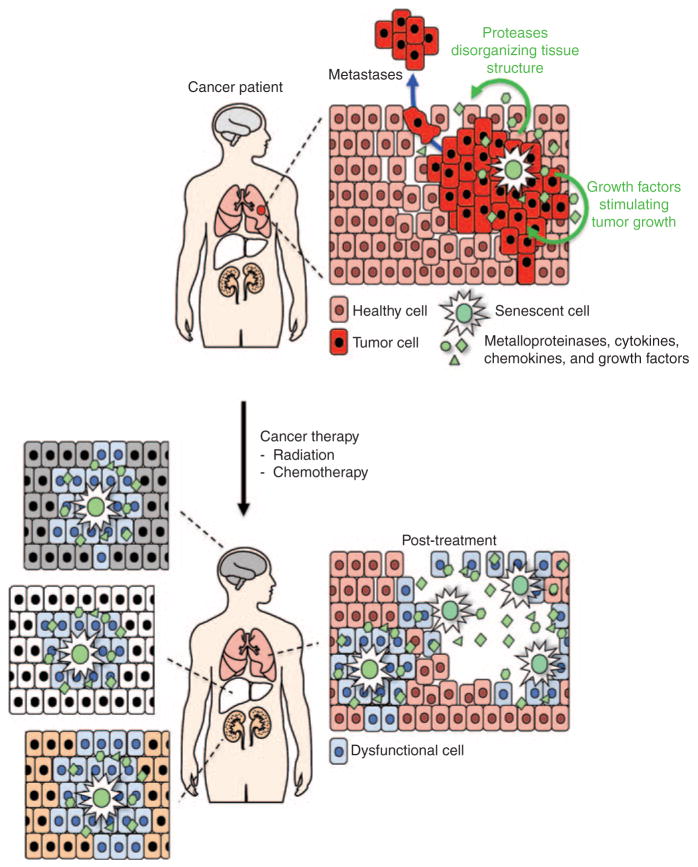
Aging is the main risk factor for most chronic diseases, disabilities, and declining health. It has been proposed that senescent cells--damaged cells that have lost the ability to divide--drive the deterioration that underlies aging and age-related diseases. However, definitive evidence for this relationship has been lacking. The use of a progeroid mouse model (which expresses low amounts of the mitotic checkpoint protein BubR1) has been instrumental in demonstrating that p16(Ink4a)-positive senescent cells drive age-related pathologies and that selective elimination of these cells can prevent or delay age-related deterioration. These studies identify senescent cells as potential therapeutic targets in the treatment of aging and age-related diseases. Here, we describe how senescent cells develop, the experimental evidence that causally implicates senescent cells in age-related dysfunction, the chronic diseases and disorders that are characterized by the accumulation of senescent cells at sites of pathology, and the therapeutic approaches that could specifically target senescent cells.
Conflict of interest statement
The authors declared no conflict of interest.
Figures
References
-
- Hayflick L, Moorhead PS. The serial cultivation of human diploid cell strains. Exp Cell Res. 1961;25:585–621. - PubMed
-
- Shay JW, Wright WE. Hayflick, his limit, and cellular ageing. Nat Rev Mol Cell Biol. 2000;1:72–76. - PubMed
-
- Campisi J, d’Adda di Fagagna F. Cellular senescence: when bad things happen to good cells. Nat Rev Mol Cell Biol. 2007;8:729–740. - PubMed
Publication types
MeSH terms
Grants and funding
LinkOut - more resources
Full Text Sources
Other Literature Sources
Medical
