


Diversity of Antimicrobial Resistance and Virulence Determinants in Pseudomonas aeruginosa Associated with Fresh Vegetables
- PMID: 23213336
- PMCID: PMC3508576
- DOI: 10.1155/2012/426241
Diversity of Antimicrobial Resistance and Virulence Determinants in Pseudomonas aeruginosa Associated with Fresh Vegetables
Abstract
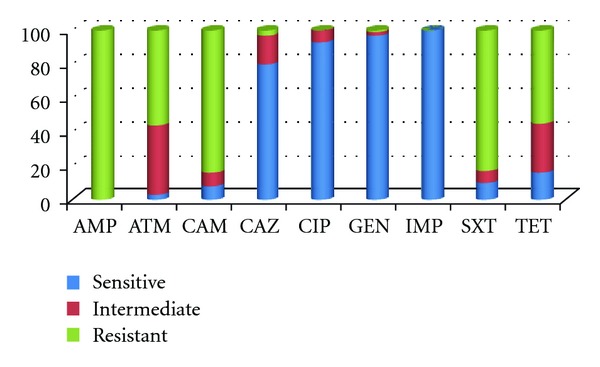
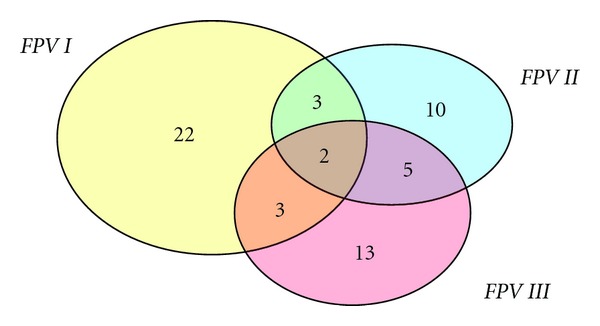
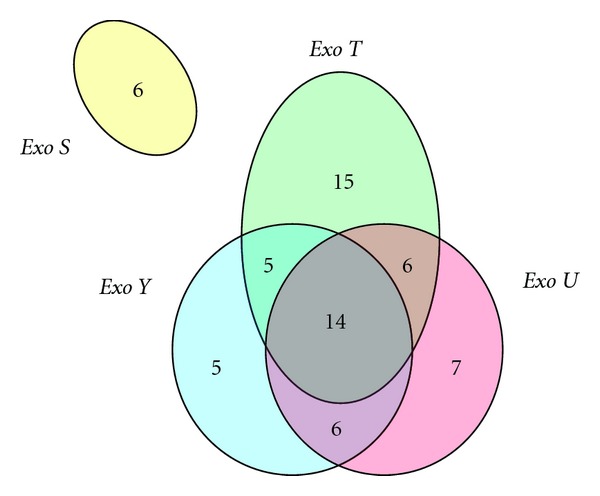
With the increased focus on healthy eating and consuming raw vegetables, this study assessed the extent of contamination of fresh vegetables by Pseudomonas aeruginosa in Jamaica and examined the antibiotic susceptibility profiles and the presence of various virulence associated determinants of P. aeruginosa. Analyses indicated that vegetables from retail markets and supermarkets were widely contaminated by P. aeruginosa; produce from markets were more frequently contaminated, but the difference was not significant. Lettuce and carrots were the most frequently contaminated vegetables, while tomatoes were the least. Pigment production (Pyoverdine, pyocyanin, pyomelanin and pyorubin), fluorescein and alginate were common in these isolates. Imipenem, gentamicin and ciprofloxacin were the most inhibitory antimicrobial agents. However, isolates were resistant or showed reduced susceptibility to ampicillin, chloramphenicol, sulphamethoxazole/trimethoprim and aztreonam, and up to 35% of the isolates were resistant to four antimicrobial agents. As many as 30% of the isolates were positive for the fpv1 gene, and 13% had multiple genes. Sixty-four percent of the isolates harboured an exoenzyme gene (exoS, exoT, exoU or exoY), and multiple exo genes were common. We conclude that P. aeruginosa is a major contaminant of fresh vegetables, which might be a source of infection for susceptible persons within the community.
Figures
References
-
- Hatchette TF, Gupta R, Marrie TJ. Pseudomonas aeruginosa community-acquired pneumonia in previously healthy adults: case report and review of the literature. Clinical Infectious Diseases. 2000;31(6):1349–1356. - PubMed
-
- Kang CI, Kim SH, Park WB, et al. Clinical features and outcome of patients with community-acquired Pseudomonas aeruginosa bacteraemia. Clinical Microbiology and Infection. 2005;11(5):415–418. - PubMed
-
- Lo WT, Wang CC, Hsu ML, Chu ML. Pyogenic liver abscess caused by Pseudomonas aeruginosa in a previously healthy child: report of one case. Acta Paediatrica Taiwanica. 2000;41(2):98–100. - PubMed
LinkOut - more resources
Full Text Sources
