


Defining the epidemiology of bloodstream infections: the 'gold standard' of population-based assessment
- PMID: 23218097
- PMCID: PMC9151395
- DOI: 10.1017/S0950268812002725
Defining the epidemiology of bloodstream infections: the 'gold standard' of population-based assessment
Abstract
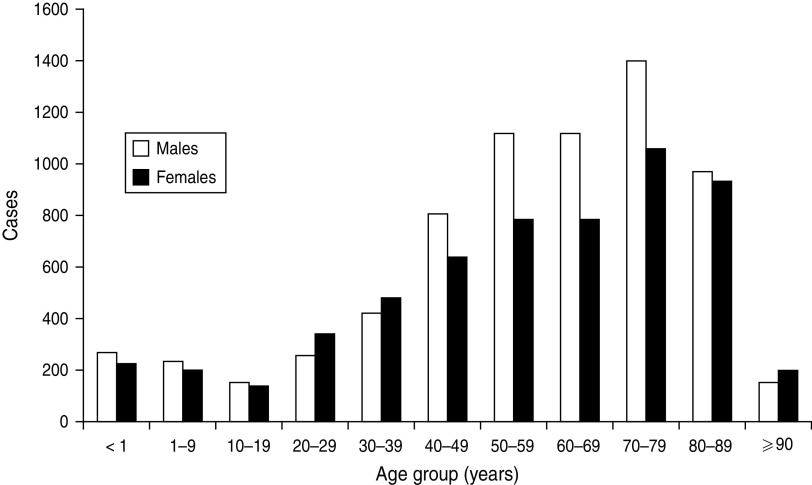
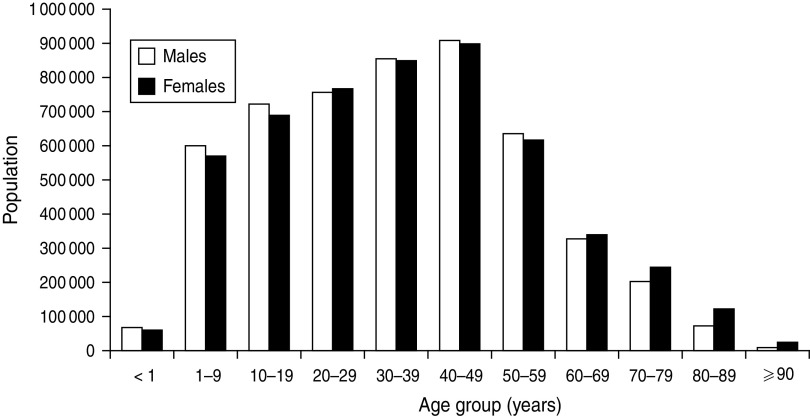
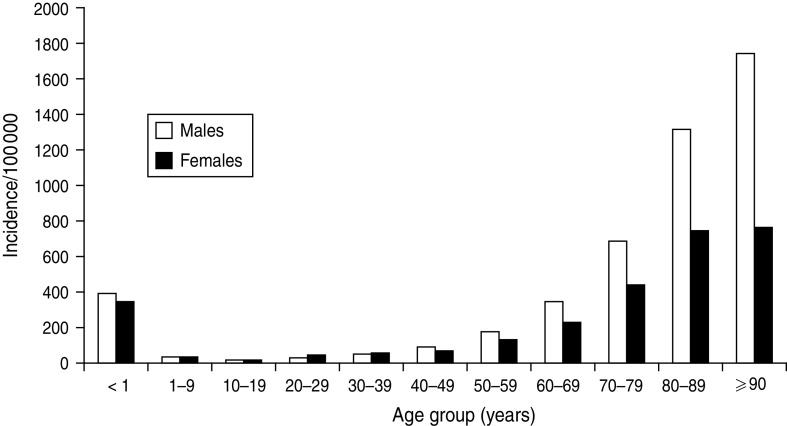
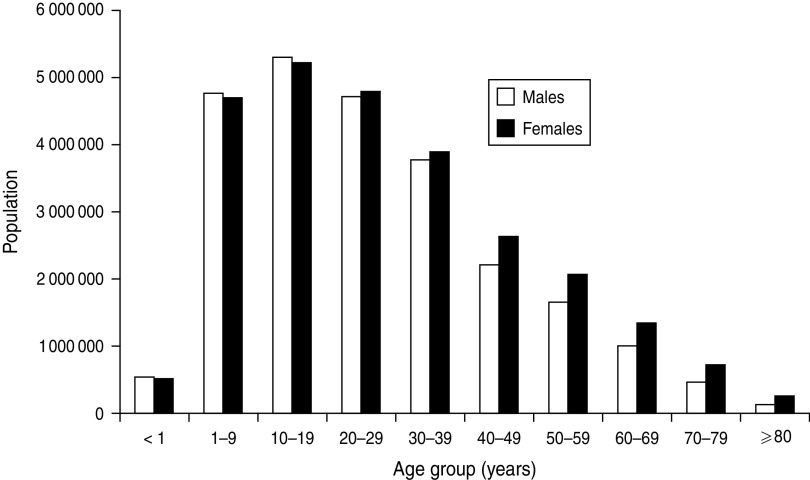
Bloodstream infections (BSIs) are a major cause of morbidity and mortality. Although population-based studies have been proposed as an optimal means to define their epidemiology, the merit of these designs has not been well documented. This report investigated the potential value of using population-based designs in defining the epidemiology of BSIs. Population-based BSI surveillance was conducted in Calgary, Canada (population 1.24 million) and illustrative comparisons were made between the overall and selected subgroup cohorts within five main themes. The value of population denominator data, and age and gender standardization for calculation and comparison of incidence rates were demonstrated. In addition, a number of biases including those related to differential admission rates, selected hospital admission, and referral bias were highlighted in non-population-based cohorts. Due to their comprehensive nature and intrinsic minimization of bias, population-based designs should be considered the gold standard means of defining the epidemiology of an infectious disease.
Figures
References
-
- Bearman GM, Wenzel RP. Bacteremias: a leading cause of death. Archives of Medical Research 2005; 36: 646–659. - PubMed
-
- Pedersen G, Schonheyder HC, Sorensen HT. Source of infection and other factors associated with case fatality in community-acquired bacteremia – a Danish population-based cohort study from 1992 to 1997. Clinical Microbiology and Infection 2003; 9: 793–802. - PubMed
-
- Madsen KM, et al. Secular trends in incidence and mortality of bacteraemia in a Danish county 1981–1994. Acta Pathologica, Microbiologica et Immunologica Scandinavica 1999; 107: 346–352. - PubMed
MeSH terms
LinkOut - more resources
Full Text Sources
