


In vivo and in vitro cardiac responses to beta-adrenergic stimulation in volume-overload heart failure
- PMID: 23220155
- PMCID: PMC3696990
- DOI: 10.1016/j.yjmcc.2012.11.013
In vivo and in vitro cardiac responses to beta-adrenergic stimulation in volume-overload heart failure
Abstract
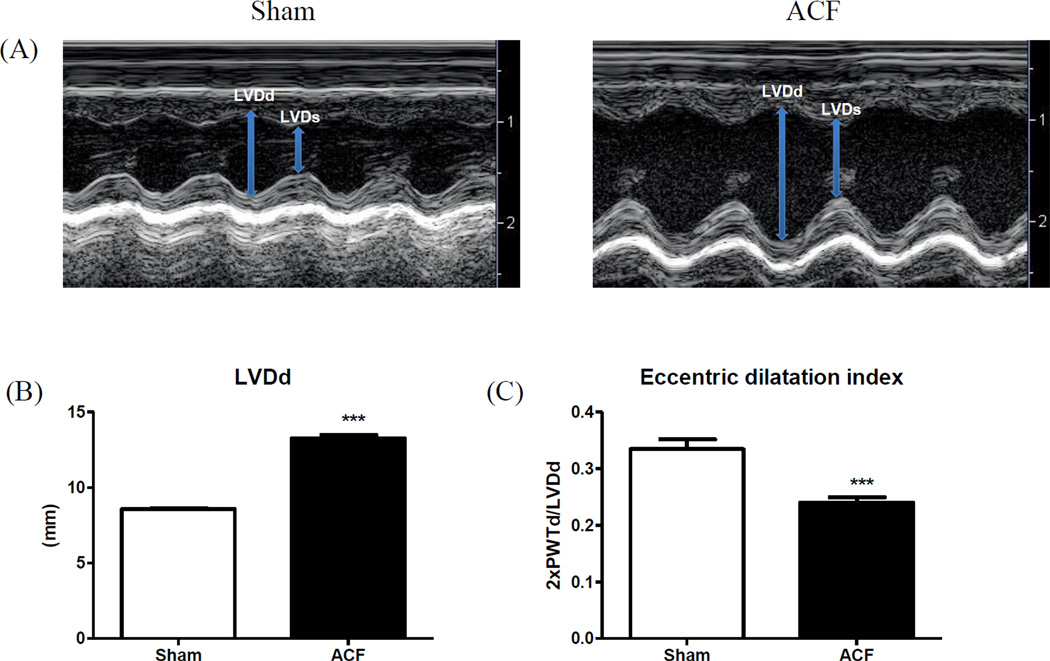
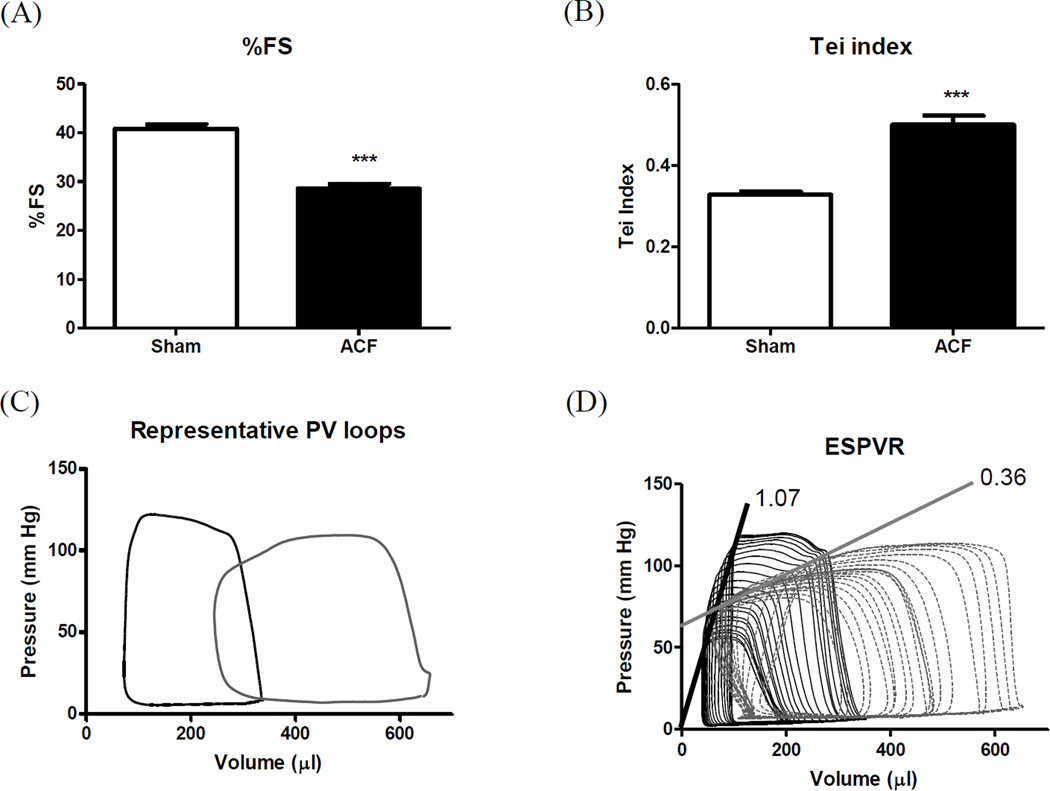
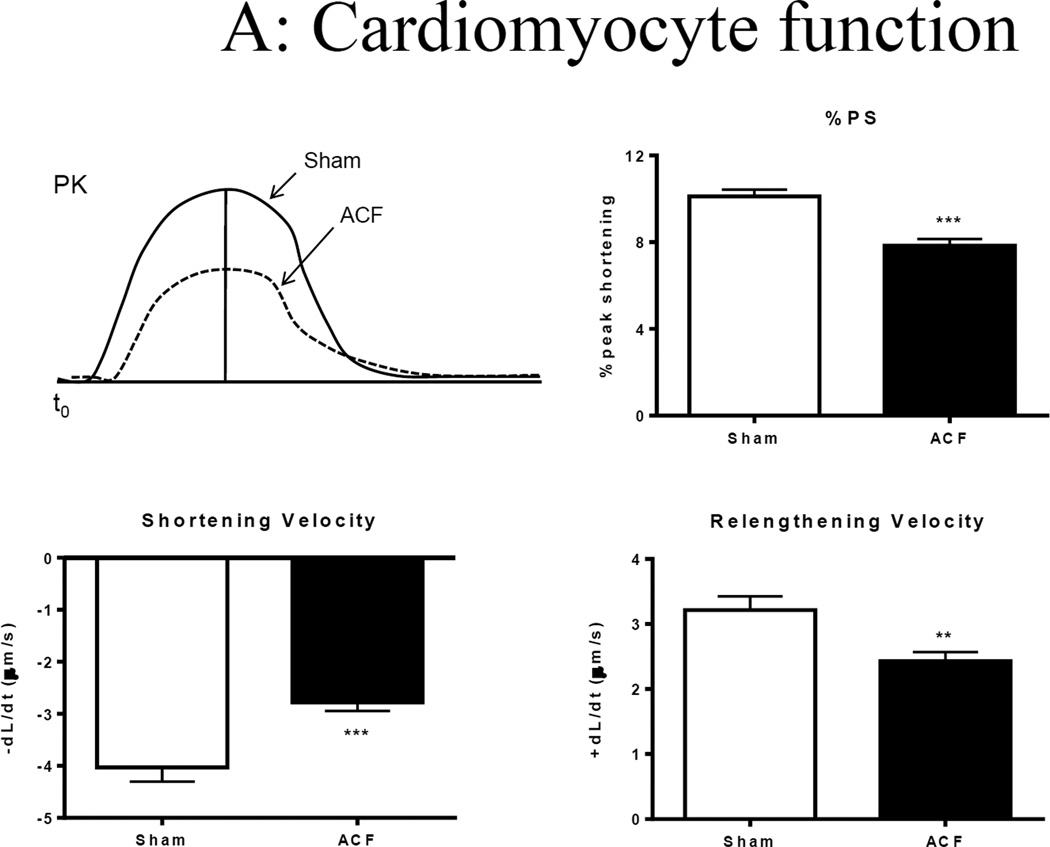
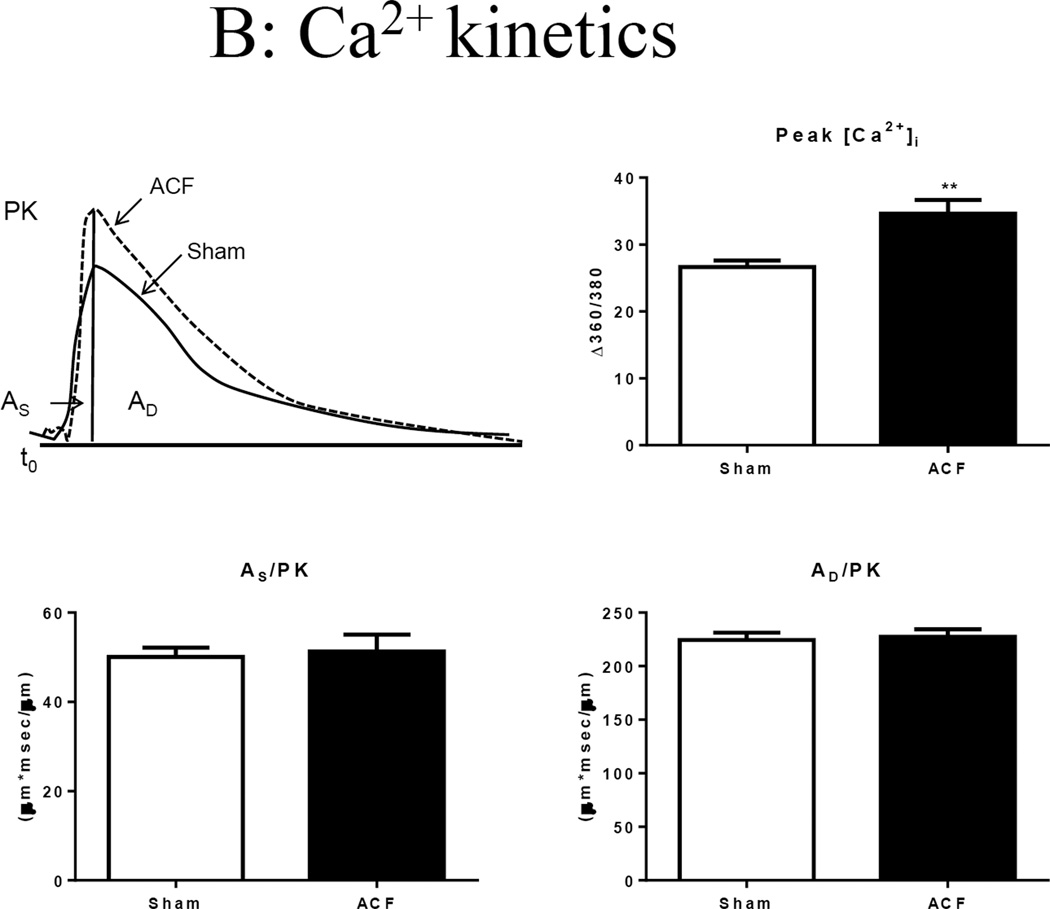
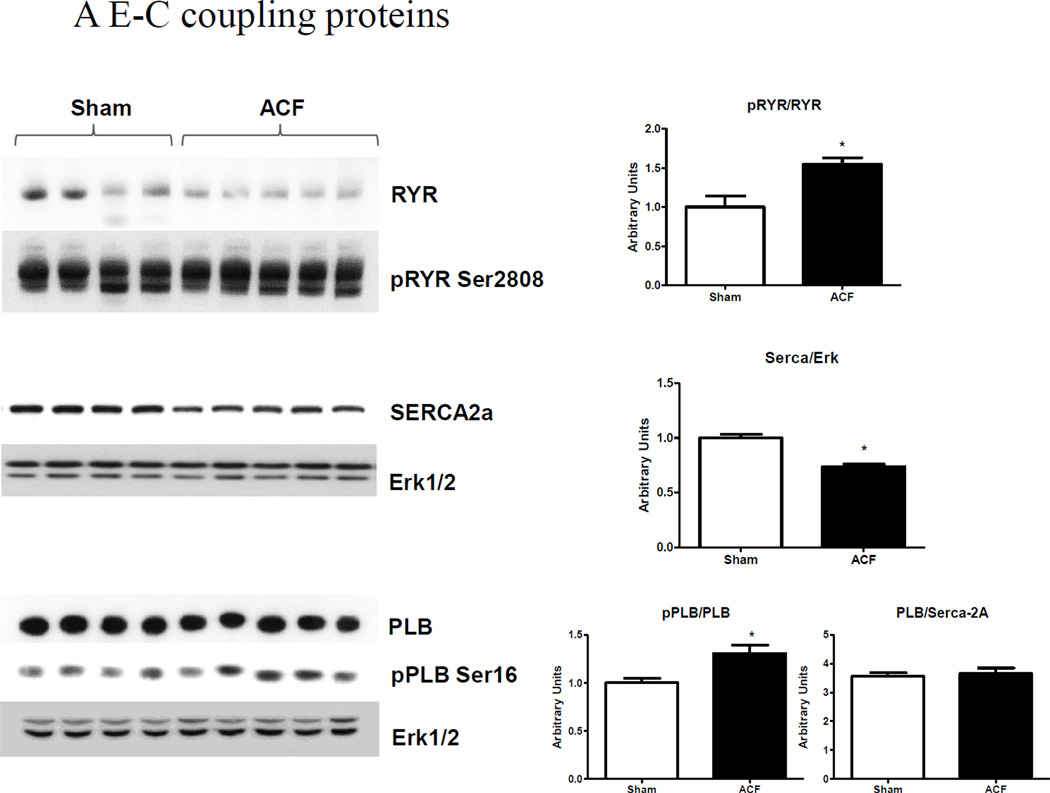
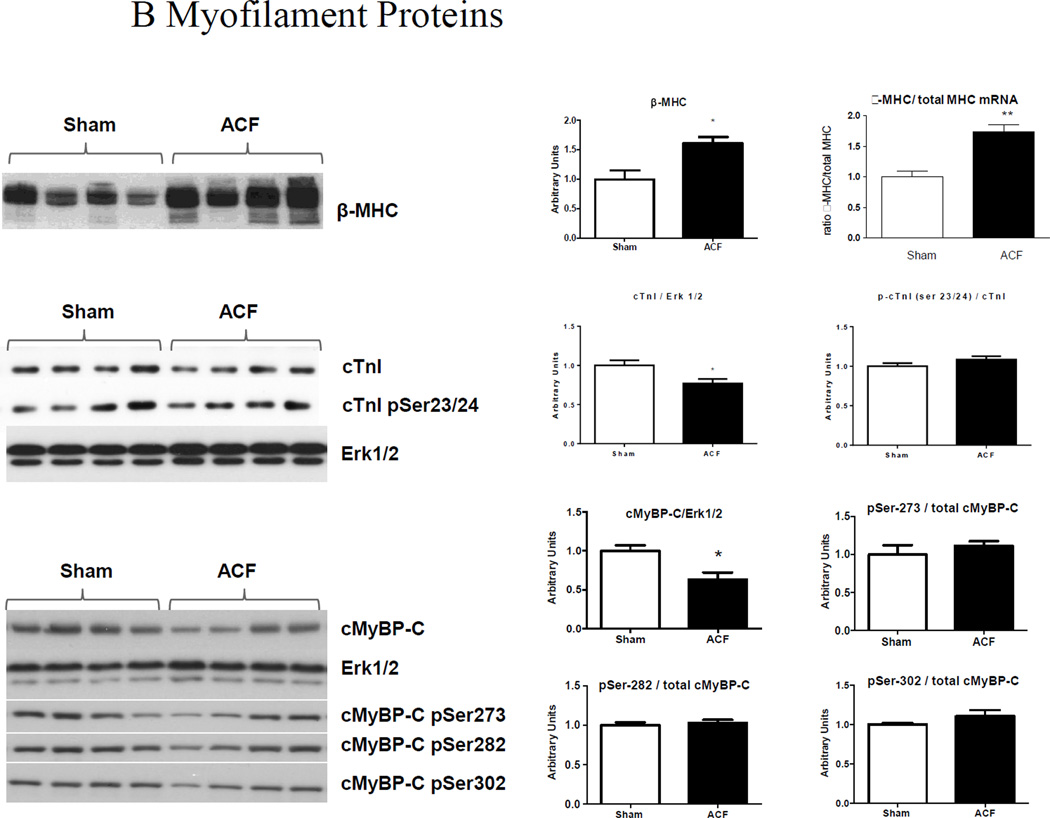
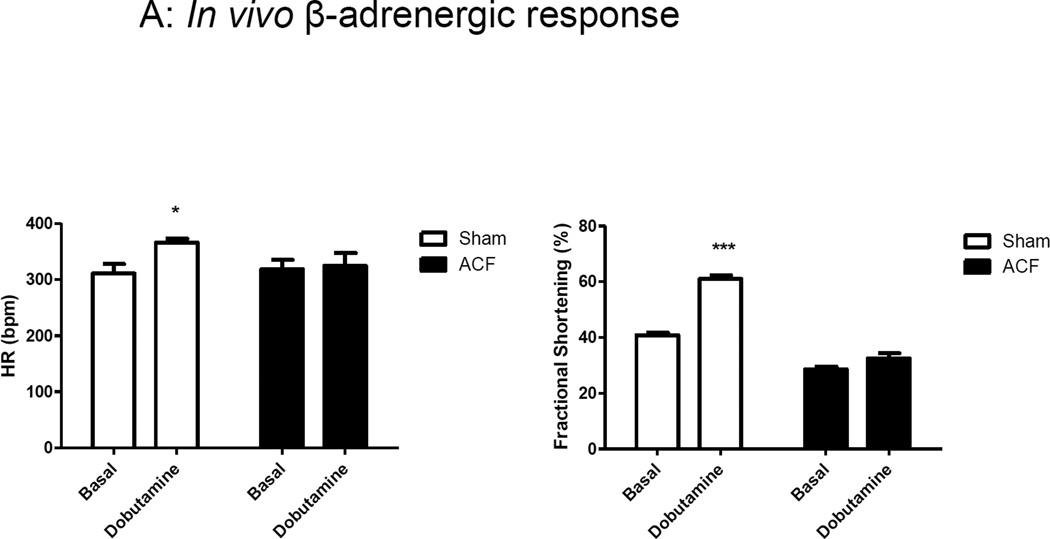
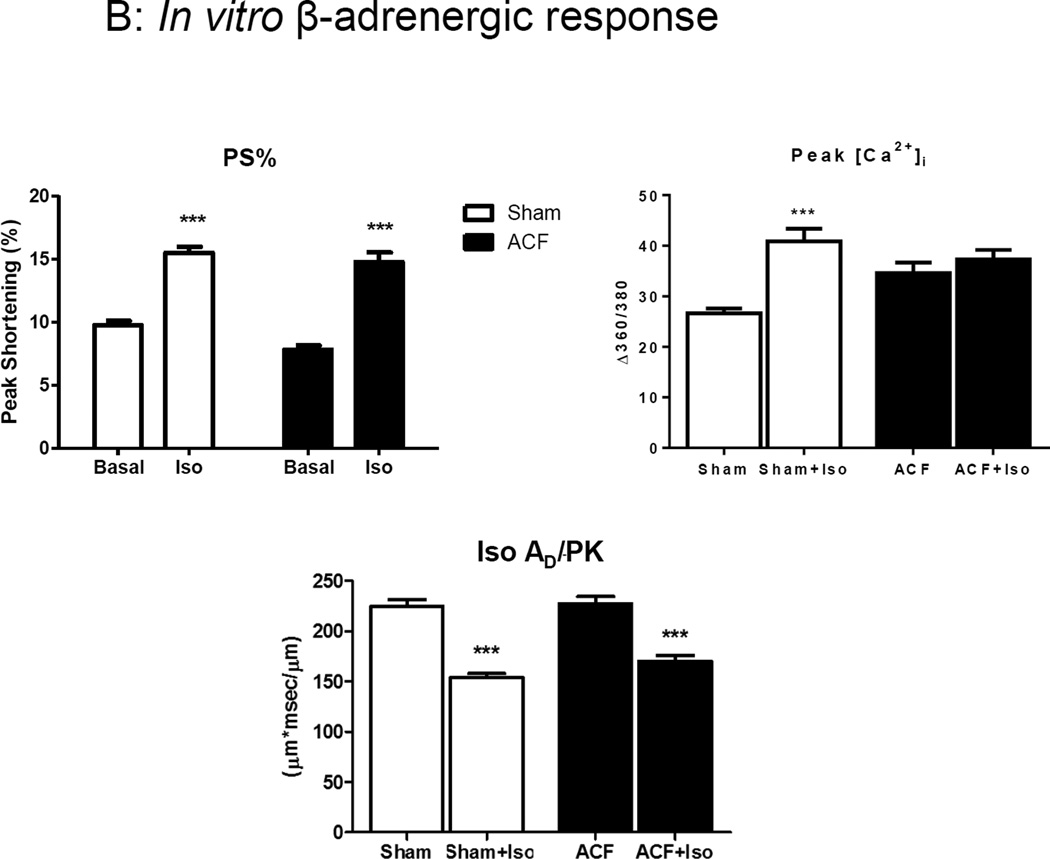
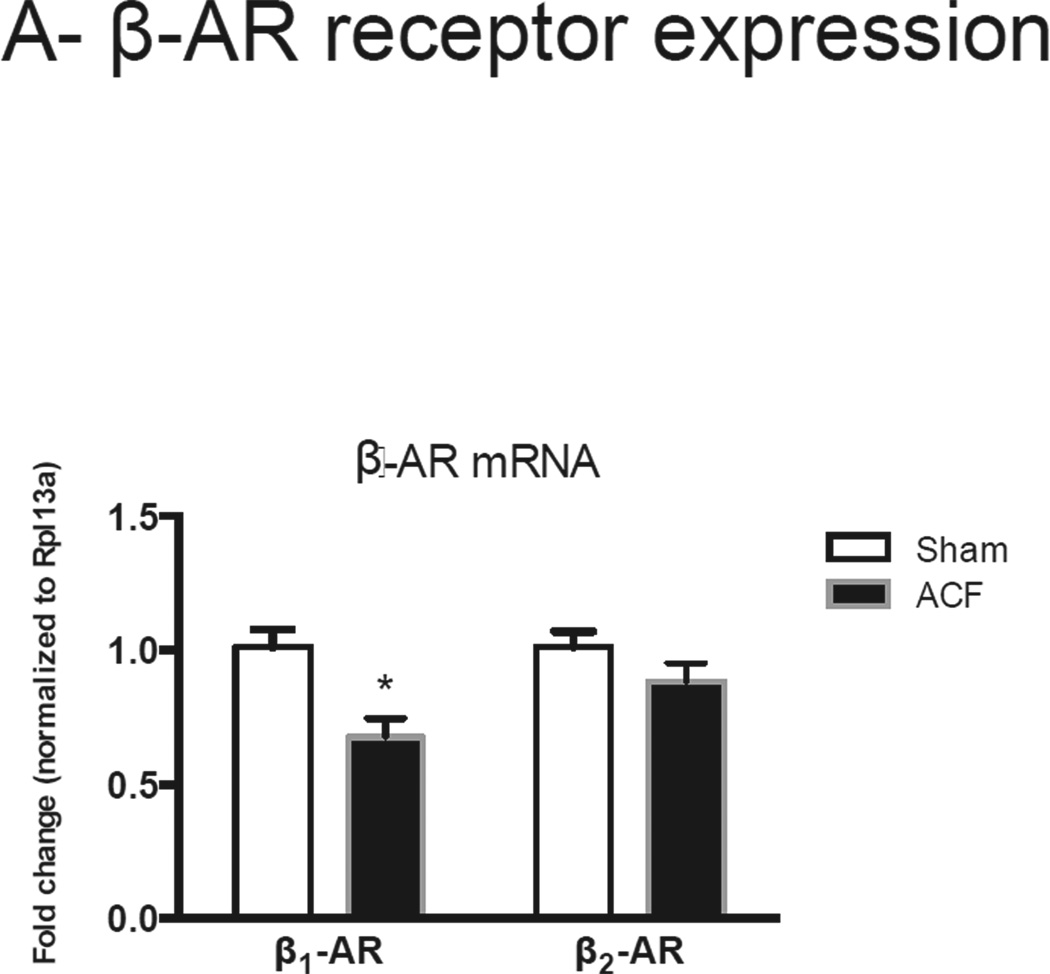
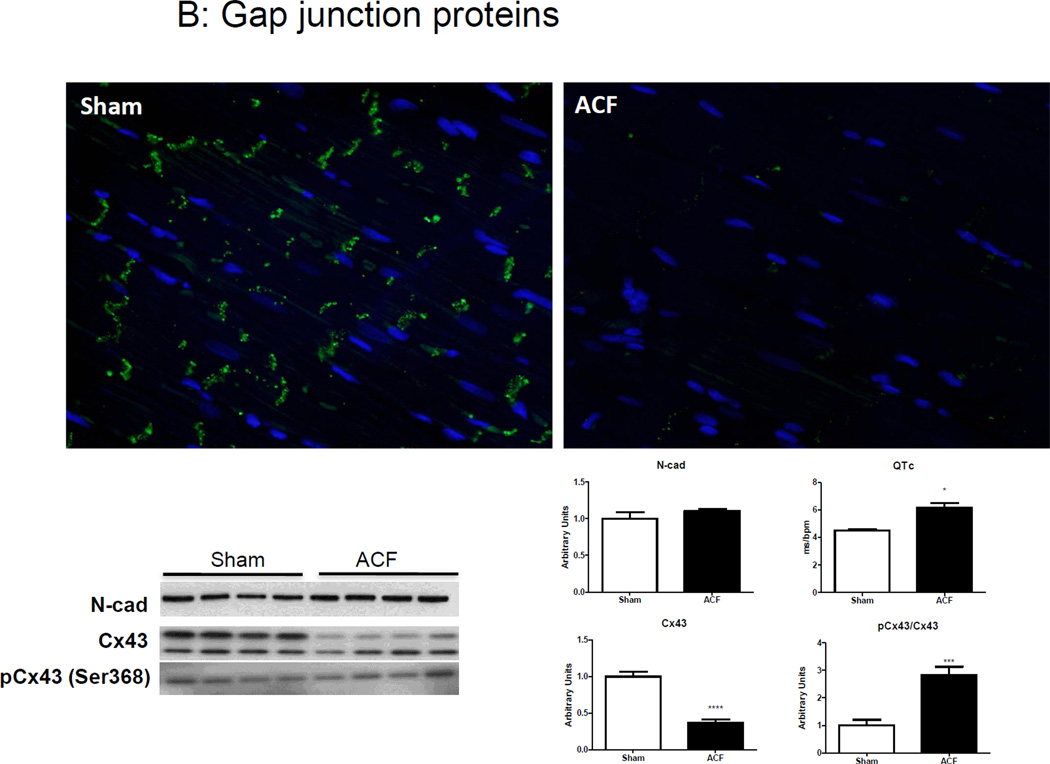
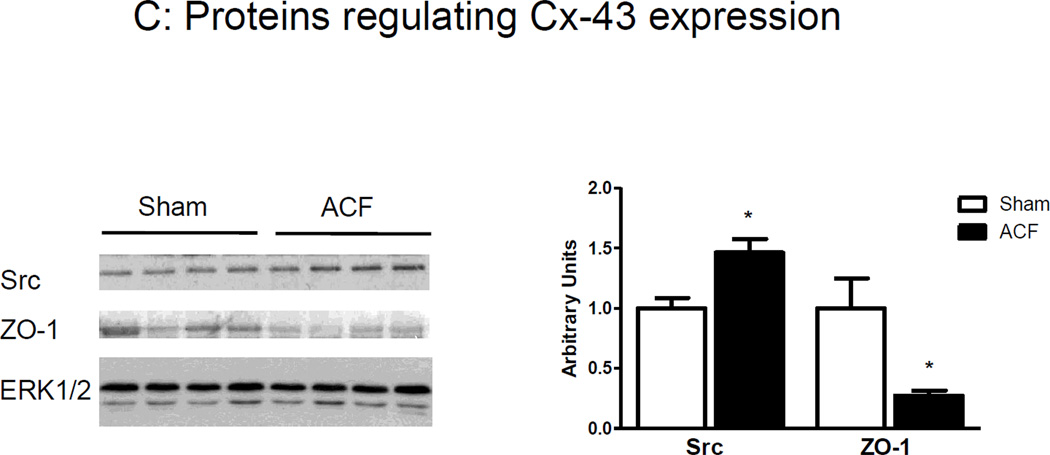
Hearts in volume overload (VO) undergo progressive ventricular hypertrophy resulting in chronic heart failure that is unresponsive to β-adrenergic agonists. This study compared left ventricular (LV) and isolated cardiomyocyte contractility and β-adrenergic responsiveness in rats with end-stage VO heart failure (HF). Adult male Sprague-Dawley rats were studied 21 weeks after aortocaval fistula (ACF) or sham surgery. Echocardiography revealed decreased fractional shortening accompanied by increased LV chamber diameter and decreased eccentric dilatation index at end-stage ACF compared to sham. Hemodynamic measurements showed a decrease in the slope of end-systolic pressure-volume relationship, indicating systolic dysfunction. Isolated LV myocytes from ACF exhibited decreased peak sarcomere shortening and kinetics. Both Ca2+ transient amplitude and kinetics were increased in ACF myocytes, with no change under the integrated Ca2+ curves relating to contraction and relaxation phases. Increases in ryanodine receptor and phospholamban phosphorylation, along with a decrease in SERCA2 levels, were observed in ACF. These changes were associated with decreased expression of β-myosin heavy chain, cardiac troponin I and cardiac myosin binding protein-C. In vivo inotropic responses to β-adrenergic stimulation were attenuated in ACF. Interestingly, ACF myocytes exhibited a similar peak shortening to those of sham in response to a β-adrenergic agonist. The protein expression of the gap junction protein connexin-43 was decreased, although its phosphorylation at Ser-368 increased. These changes were associated with alterations in Src and ZO-1. In summary, these data suggest that the disconnect in β-adrenergic responsiveness between in vivo and in vitro conditions may be associated with altered myofilament Ca2+ sensitivity and connexin-43 degradation.
Copyright © 2012 Elsevier Ltd. All rights reserved.
Conflict of interest statement
Figures
References
-
- Carabello BA. Models of volume overload hypertrophy. J Card Fail. 1996;2:55–64. - PubMed
-
- Ryan TD, Rothstein EC, Aban I, Tallaj JA, Husain A, Lucchesi PA, et al. Left ventricular eccentric remodeling and matrix loss are mediated by bradykinin and precede cardiomyocyte elongation in rats with volume overload. J Am Coll Cardiol. 2007;49:811–821. - PubMed
-
- Ding YF, Brower GL, Zhong Q, Murray D, Holland M, Janicki JS, et al. Defective intracellular Ca2+ homeostasis contributes to myocyte dysfunction during ventricular remodelling induced by chronic volume overload in rats. Clin Exp Pharmacol Physiol. 2008;35:827–835. - PubMed
-
- Juric D, Yao X, Thandapilly S, Louis X, Cantor E, Chaze B, et al. Defects in ryanodine receptor function are associated with systolic dysfunction in rats subjected to volume overload. Exp Physiol. 2010;95:869–879. - PubMed
Publication types
MeSH terms
Substances
Grants and funding
LinkOut - more resources
Full Text Sources
Other Literature Sources
Medical
Research Materials
Miscellaneous
