


In utero programming of later adiposity: the role of fetal growth restriction
- PMID: 23251802
- PMCID: PMC3518064
- DOI: 10.1155/2012/134758
In utero programming of later adiposity: the role of fetal growth restriction
Abstract
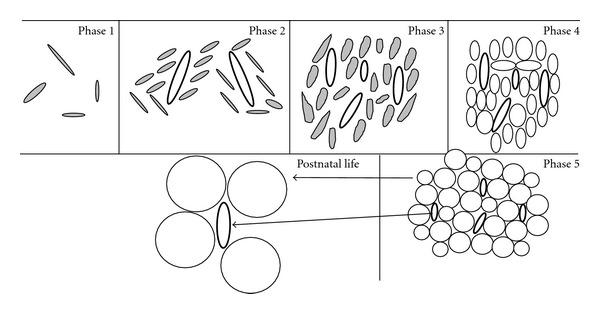
Intrauterine growth restriction (IUGR) is strongly associated with obesity in adult life. The mechanisms contributing to the onset of IUGR-associated adult obesity have been studied in animal models and humans, where changes in fetal adipose tissue development, hormone levels and epigenome have been identified as principal areas of alteration leading to later life obesity. Following an adverse in utero development, IUGR fetuses display increased lipogenic and adipogenic capacity in adipocytes, hypoleptinemia, altered glucocorticoid signalling, and chromatin remodelling, which subsequently all contribute to an increased later life obesity risk. Data suggest that many of these changes result from an enhanced activity of the adipose master transcription factor regulator, peroxisome proliferator-activated receptor-γ (PPARγ) and its coregulators, increased lipogenic fatty acid synthase (FAS) expression and activity, and upregulation of glycolysis in fetal adipose tissue. Increased expression of fetal hypothalamic neuropeptide Y (NPY), altered hypothalamic leptin receptor expression and partitioning, reduced adipose noradrenergic sympathetic innervations, enhanced adipose glucocorticoid action, and modifications in methylation status in the promoter of hepatic and adipose adipogenic and lipogenic genes in the fetus also contribute to obesity following IUGR. Therefore, interventions that inhibit these fetal developmental changes will be beneficial for modulation of adult body fat accumulation.
Figures

References
-
- World Health Organization. Obesity and overweight. Fact Sheet, no. 311, 2011.
-
- Kahn SE, Hull RL, Utzschneider KM. Mechanisms linking obesity to insulin resistance and type 2 diabetes. Nature. 2006;444(7121):840–846. - PubMed
-
- Withrow D, Alter DA. The economic burden of obesity worldwide: a systematic review of the direct costs of obesity. Obesity Reviews. 2011;12(2):131–141. - PubMed
-
- Gluckman P, Hanson M. Fat, Fate, and Disease: Why We Are Losing the War against Obesity and Chronic Disease. Oxford, UK: Oxford University Press; 2012.
Publication types
MeSH terms
Substances
LinkOut - more resources
Full Text Sources
Medical
Research Materials
Miscellaneous
