


Sporadic incidence of Fascioliasis detected during hepatobiliary procedures: a study of 18 patients from Sulaimaniyah governorate
- PMID: 23259859
- PMCID: PMC3568712
- DOI: 10.1186/1756-0500-5-691
Sporadic incidence of Fascioliasis detected during hepatobiliary procedures: a study of 18 patients from Sulaimaniyah governorate
Abstract
Background: Fascioliasis is an often-neglected zoonotic disease and currently is an emerging infection in Iraq. Fascioliasis has two distinct phases, an acute phase, exhibiting the hepatic migratory stage of the fluke's life cycle, and a chronic biliary phase manifested with the presence of the parasite in the bile ducts through hepatic tissue. The incidence of Fascioliasis in Sulaimaniyah governorate was unexpected observation. We believe that shedding light on this disease in our locality will increase our physician awareness and experience in early detection, treatment in order to avoid unnecessary surgeries.
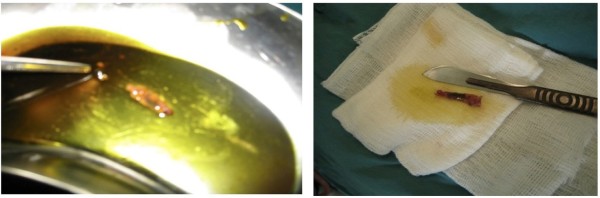
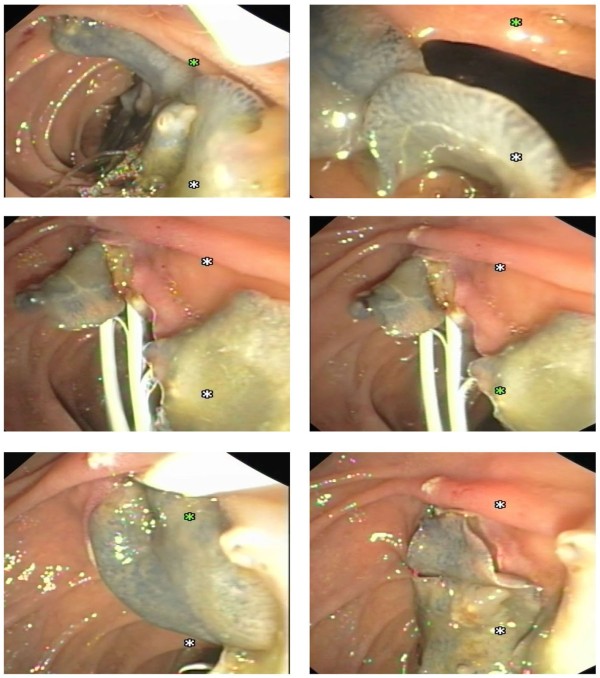
Findings: We retrospectively evaluated this disease in terms of the demographic features, clinical presentations, and managements by reviewing the medical records of 18 patients, who were admitted to the Sulaimani Teaching Hospital and Kurdistan Centre for Gastroenterology and Hepatology. Patients were complained from hepatobiliary and/or upper gastrointestinal symptoms and diagnosed accidentally with Fascioliasis during hepatobiliary surgeries and ERCP by direct visualization of the flukes and stone analysis. Elevated liver enzymes, white blood cells count and eosinophilia were notable laboratory indices. The dilated CBD, gallstones, liver cysts and abscess were found common in radiological images. Fascioliasis diagnosed during conventional surgical CBD exploration and choledochodoudenostomy, open cholecystectomy, surgical drainage of liver abscess, ERCP and during gallstone analysis.
Conclusion: Fascioliasis is indeed an emerging disease in our locality, but it is often underestimated and ignored. We recommend the differential diagnosis of patients suffering from Rt. Hypochondrial pain, fever and eosinophilia. The watercress ingestion was a common factor in patient's history.
Figures
References
-
- Mas-Coma S, Bargues MD, Valero MA. Fascioliasis and other plant-borne trematode zoonoses. Int J Parasitol. 2005;35(11–12):1255–1278. - PubMed
-
- Marcos LA, Tagle M, Terashima A, Bussalleu A, Ramirez C, Carrasco C, Valdez L, Huerta-Mercado J, Freedman DO, Vinetz JM. et al.Natural history, clinicoradiologic correlates, and response to triclabendazole in acute massive fascioliasis. AmJTrop Med Hyg. 2008;78(2):222–227. - PubMed
MeSH terms
LinkOut - more resources
Full Text Sources
