


Recent advances in phenoxyl radical complexes of salen-type ligands as mixed-valent galactose oxidase models
- PMID: 23264696
- PMCID: PMC3524984
- DOI: 10.1016/j.ccr.2012.06.003
Recent advances in phenoxyl radical complexes of salen-type ligands as mixed-valent galactose oxidase models
Abstract
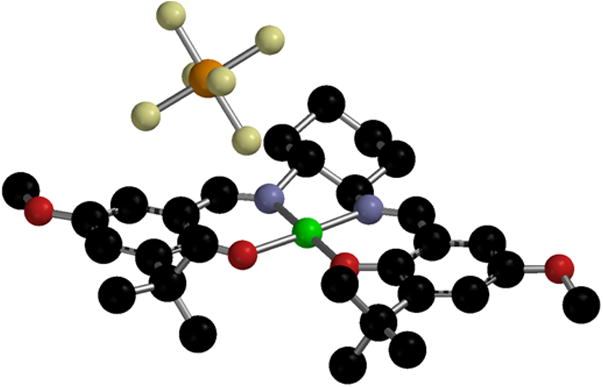
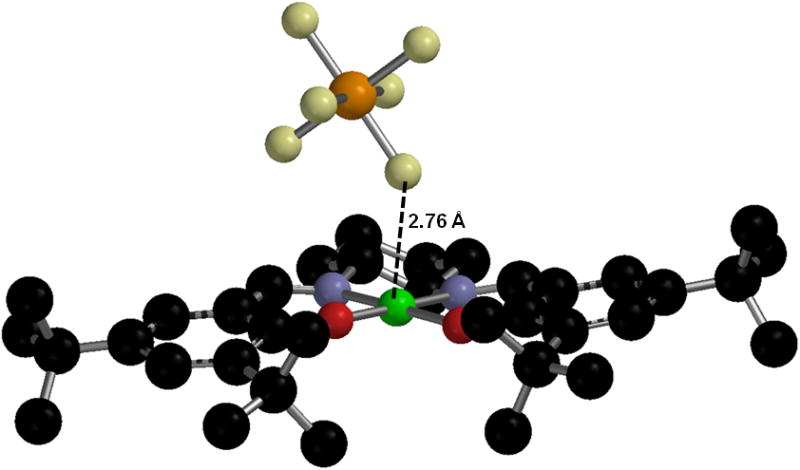
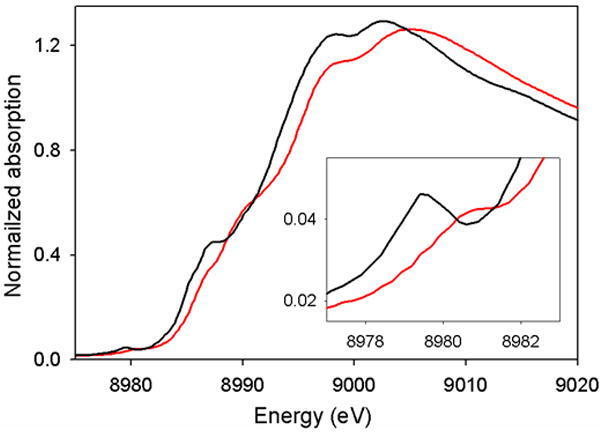
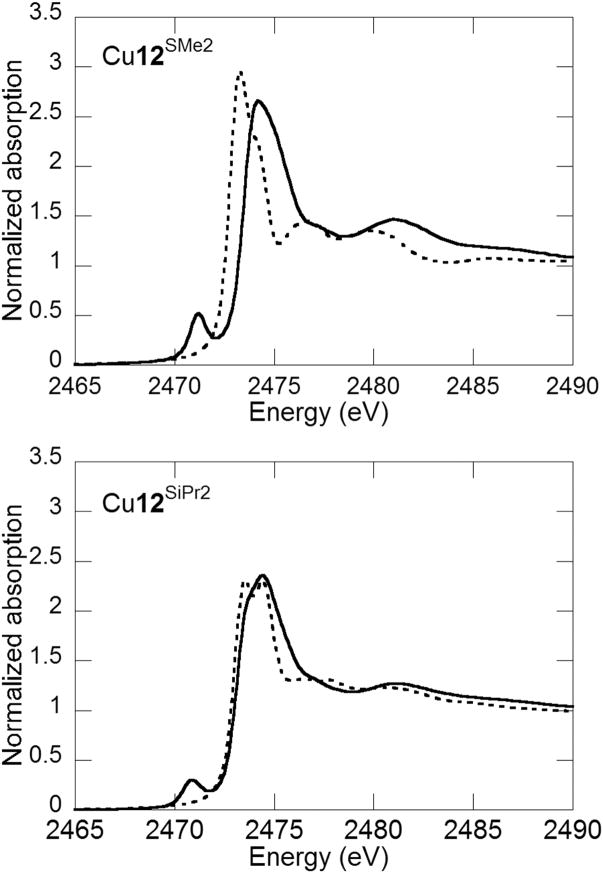
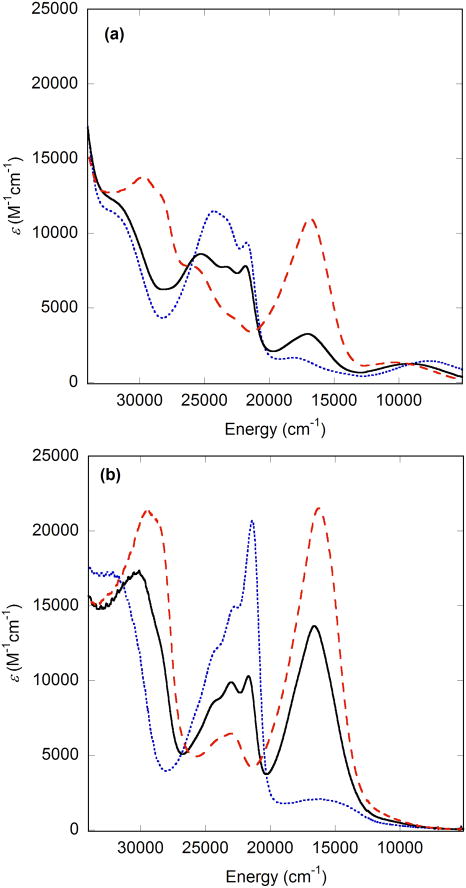
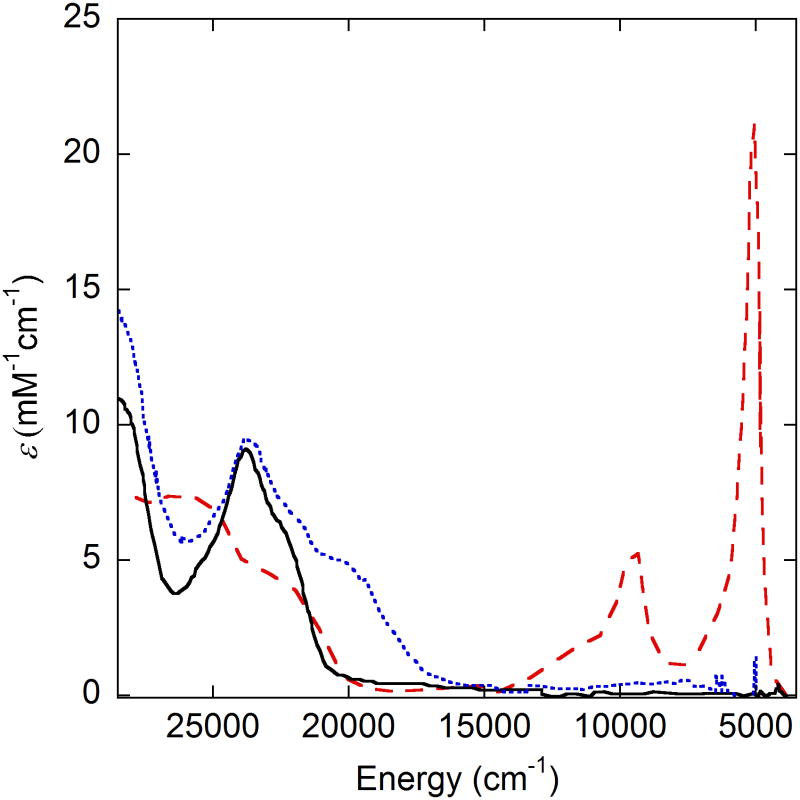
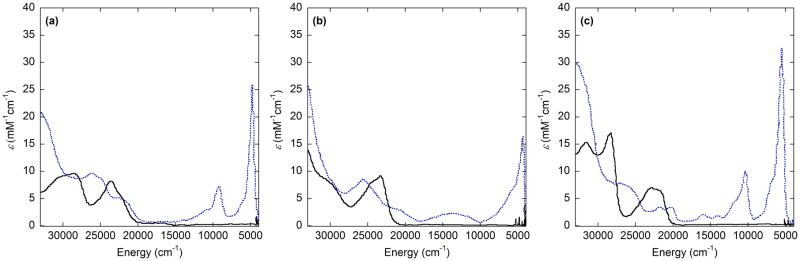
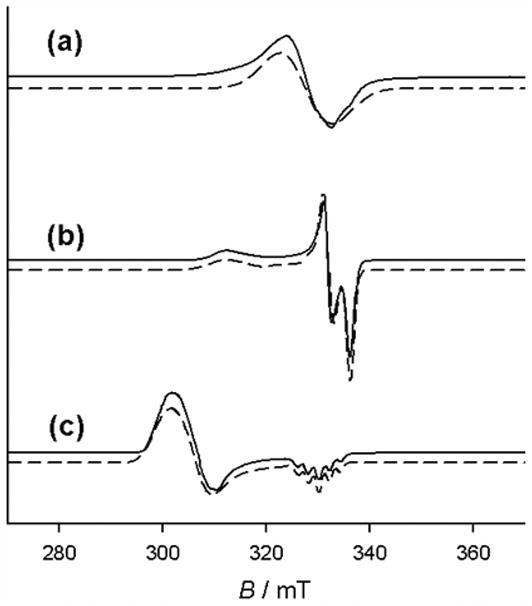
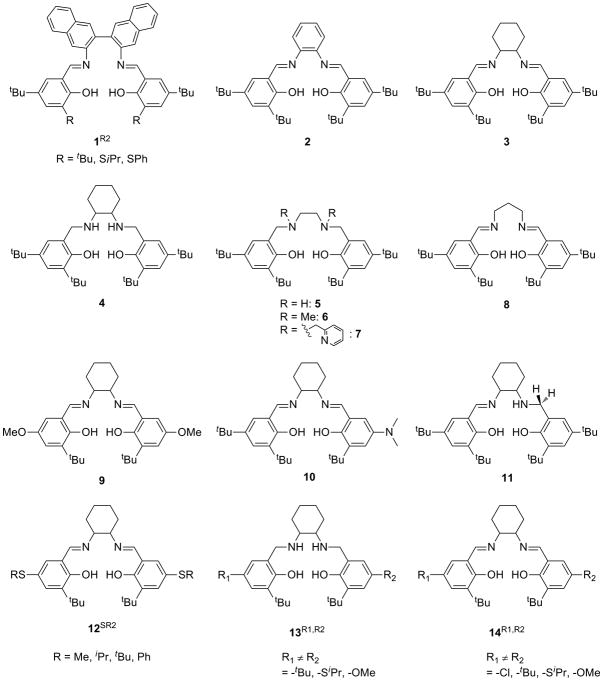
The interplay between redox-active transition metal ions and redox-active ligands in metalloenzyme sites is an area of considerable research interest. Galactose oxidase (GO) is the archetypical example, catalyzing the aerobic oxidation of primary alcohols to aldehydes via two one-electron cofactors: a copper atom and a cysteine-modified tyrosine residue. The electronic structure of the oxidized form of the enzyme (GO(ox)) has been investigated extensively through small molecule analogues including metal-salen phenoxyl radical complexes. Similar to GO(ox), one-electron oxidized metal-salen complexes are mixed-valent species, in which molecular orbitals (MOs) with predominantly phenolate and phenoxyl π-character act as redox-active centers bridged by mixing with metal d-orbitals. A detailed evaluation of the electronic distribution in these odd electron species using a variety of spectroscopic, electrochemical, and theoretical techniques has led to keen insights into the electronic structure of GO(ox).
Figures



References
-
- Fontecave M, Nordlund P, Eklund H, Reichard P. Adv Enzymol Relat Areas Mol Biol. 1992;65:147–183. - PubMed
-
- Stubbe J. Adv Enzymol Relat Areas Mol Biol. 1990;63:349–419. - PubMed
-
- Stubbe J, van der Donk WA. Chem Rev. 1998;98:705–762. - PubMed
-
- Frey PA, Hegeman AD, Reed GH. Chem Rev. 2006;106:3302–3316. - PubMed
Grants and funding
LinkOut - more resources
Full Text Sources
Other Literature Sources
Research Materials
Miscellaneous