


Use of the videophone to collect quality of life data from burn patients
- PMID: 23272295
- PMCID: PMC3523394
Use of the videophone to collect quality of life data from burn patients
Abstract
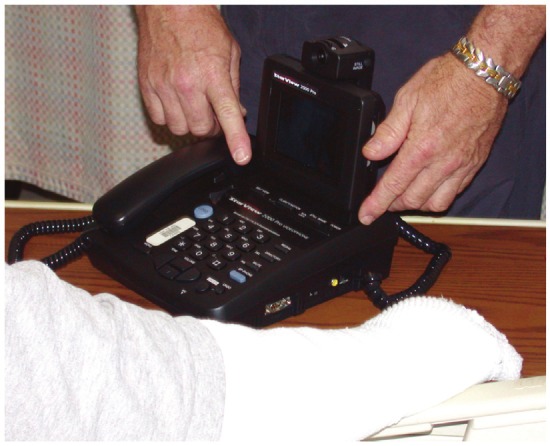
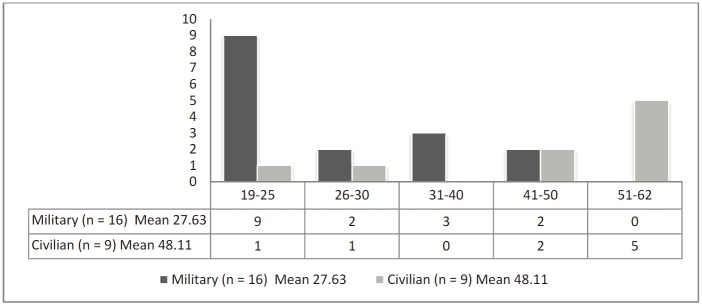
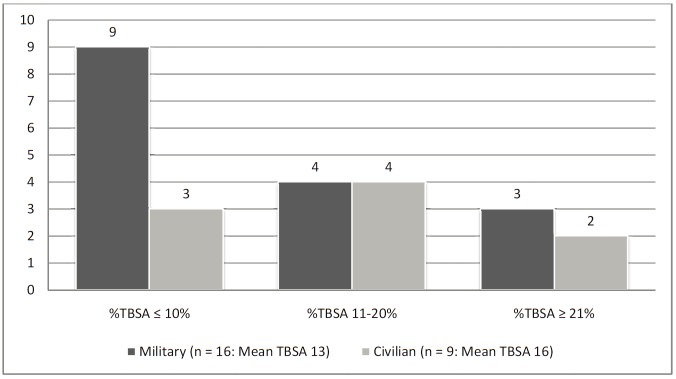
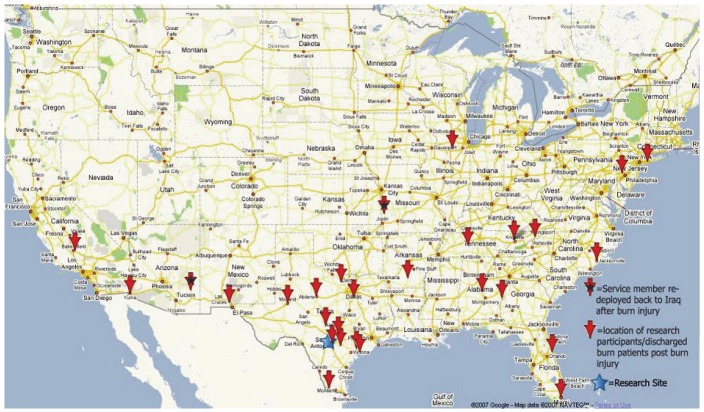
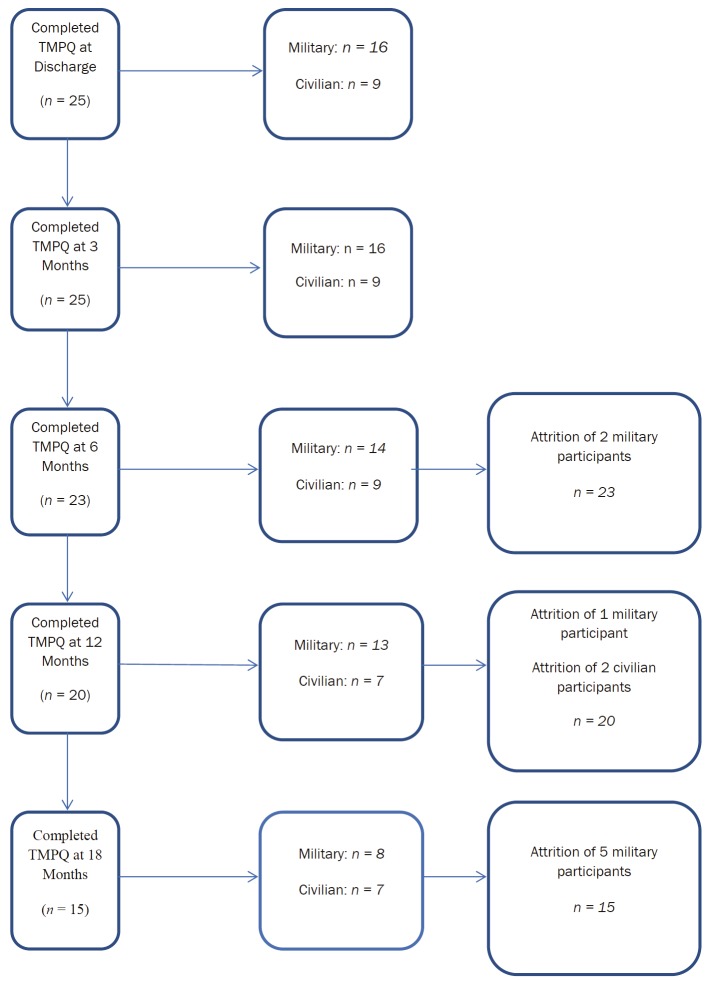
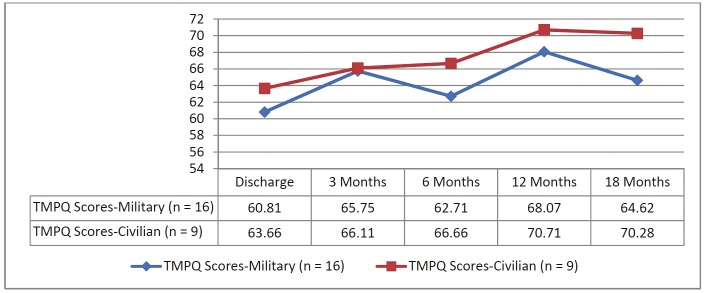
Collecting quality of life (QOL) data longitudinally from burn survivors is difficult; especially if they live in geographically distant areas from the burn center. Although mailed surveys can be used, response rates to these surveys may be low. The purpose of this feasibility study was to examine the use of the videophone to collect QOL data from burn patients over 5 time points after discharge from the U.S. Army Institute of Surgical Research Burn Center. Twenty-five patients agreed to participate, using the Starview 2000 Pro II videophone. Participant satisfaction with the technology was measured using the Telemedicine Perception Questionnaire. Qualitative comments from participants and the researchers conducting the videophone data collection sessions also were collected. Military participants were approximately 20 years younger than civilian participants. Most burns were from a thermal cause and civilian patients had a slightly shorter length of stay in the burn center than military participants. The majority of participants were relatively happy with the telehealth technology, rating it with a mean score of 61.84 out of a possible total score of 85. Qualitative comments also reflected a positive attitude about the use of the videophone for research data collection; 60% of the participants said they remained in the study because they were allowed to use the videophone rather than using only the telephone or a mailed survey. The researchers collecting the data also commented about the ease of using the videophone. Negative comments were related to dropped calls or lack of audio or video at certain times. Findings from this study are consistent with the two other studies that reported use of telemedicine to clinically evaluate burn patients. With the rapid advancement of technology, QOL research data could be collected longitudinally from burn patients by using laptops with high resolution, portable video cameras.
Keywords: Burns; outcomes studies; quality of life; telemedicine; videophone.
Figures
References
-
- Perednia DA, Allen A. Telemedicine technology and clinical applications. Journal of the American Medical Association. 1995 Feb 8;273:483–488. - PubMed
-
- Doarn CR, McVeigh F, Poropatich R. Innovative new technologies to identify and treat traumatic brain injuries: Crossover technologies and approaches between military and civilian applications. Telemedicine and e-Health. 2010;16:373–381. - PubMed
-
- Smith AC, Kimble R, Mill J, Bailey D, O’Rourke P, Wootton R. Diagnostic accuracy of and patient satisfaction with telemedicine for the follow-up of paediatric burns patients. Journal of Telemedicine and Telecare. 2004;10:193–198. - PubMed
-
- Pedersen S, Holand U. Tele-endoscopic otorhinolaryngological examination: Preliminary study of patient satisfaction. Telemedicine Journal. 1995 Spring;1:47–52. - PubMed
LinkOut - more resources
Full Text Sources