Preterm delivery and psycho-social determinants of health based on World Health Organization model in Iran: a narrative review
- PMID: 23283036
- PMCID: PMC4777007
- DOI: 10.5539/gjhs.v5n1p52
Preterm delivery and psycho-social determinants of health based on World Health Organization model in Iran: a narrative review
Abstract
Background: Preterm delivery is still the primary cause of mortality and morbidity in infants, which shows a problematic condition in the care of pregnant women all over the world. This review study describes prevalence and psycho - socio-demographic as well as obstetrical risk factors related to live preterm delivery (PTD) in the recent decade in Iran.
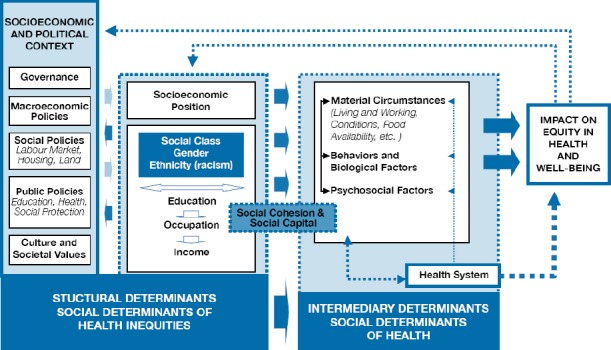
Methods: A narrative review was performed in Persian and international databases including PubMed, SID, Google Scholar, Iran Medex, Magiran and Irandoc from 2001 to 2010 with following keywords: preterm delivery and pregnancy outcomes with (prevalence, socioeconomic condition, structural determinant, Intermediary determinants, Psychosocial factor, Behavioral factor and Maternal circumstance, Health system). All of article was reviewed then categorized based on WHO model.
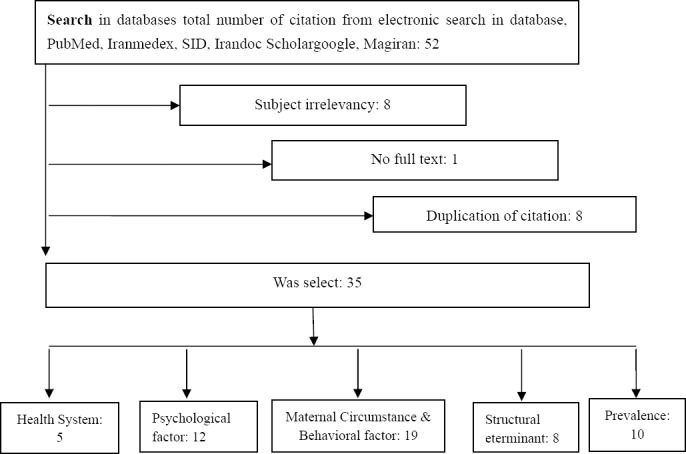
Results: Totally 52 article were reviewed and 35 articles were selected, of which 26 were cross-sectional or longitudinal, 9 were analytical (cohort or case-control). The prevalence rates of preterm delivery in different cities of Iran were reported between 5.6% in Quom to 39.4% in Kerman. The most common social factors in structural determinant were educational level of mother, and in intermediary determinants were Psychosocial factor (maternal anxiety and stress during pregnancy), Behavioral factor and Maternal circumstance (violation and trauma) and in Health system, lack of prenatal care.
Conclusion: The prevalence rate of preterm delivery is a matter of concern. Since many psycho-social factors may affect on the condition and its high rate in poor communities might reveals a causal relationship among biological and psychosocial factors, performing etiological investigations is recommended.
Figures
References
-
- Âbdollahy F, Mohamadpor R. A. Evaluation of adverse outcomes of unwanted pregnancy on the women referring to Mazandran medical university hospitals 1999-2000. Journal of Mazandaran University of Medical Sciences. 2004;14(44):87–94.
-
- Afrakhteh M, Ebrahimi S, Valaei N. Prevalence of preterm delivery and related factors in females refering to Shohada Tajrish hospital, 1995-99. Pejouhandeh. 2002-2003;7(4):341–344.
-
- Alexander G. R, Korenbrot C. C. The role of prenatal care in preventing low birth weight. The future of children. 1995;5:103–120. http://dx.doi.org/10.2307/1602510 . - PubMed
-
- Alipour Z, Lamyian M, Hajizadeh E. Anxity during pregnancy : a risk factor for neonatal physical outcome? Journal of Urmia nursing and midwifery faculty. 2011;9(1):0–0.
-
- Amini A, Savaie M. Pregnancy complications among hospital operating room personnel in Fars province-Iran. Journal of Gorgan university of medical sciences. 2011;13(1):88–93.
Publication types
MeSH terms
LinkOut - more resources
Full Text Sources
Medical