


Comprehensive behavioral and molecular characterization of a new knock-in mouse model of Huntington's disease: zQ175
- PMID: 23284626
- PMCID: PMC3527464
- DOI: 10.1371/journal.pone.0049838
Comprehensive behavioral and molecular characterization of a new knock-in mouse model of Huntington's disease: zQ175
Abstract
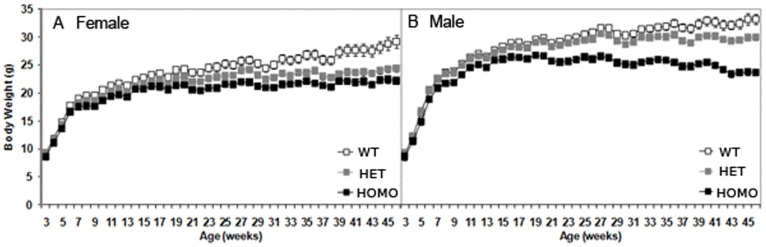
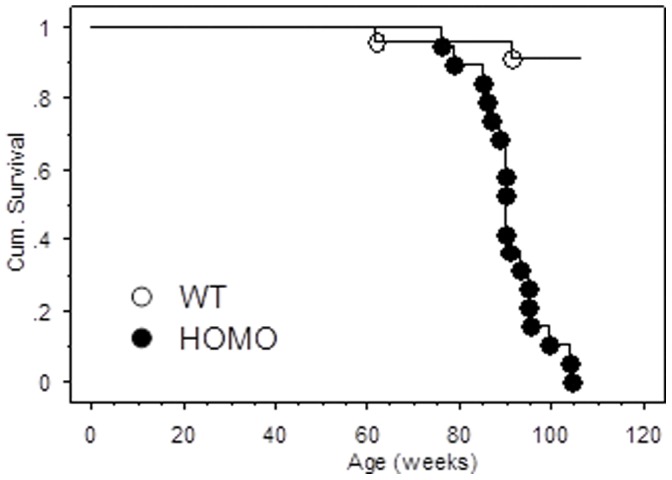
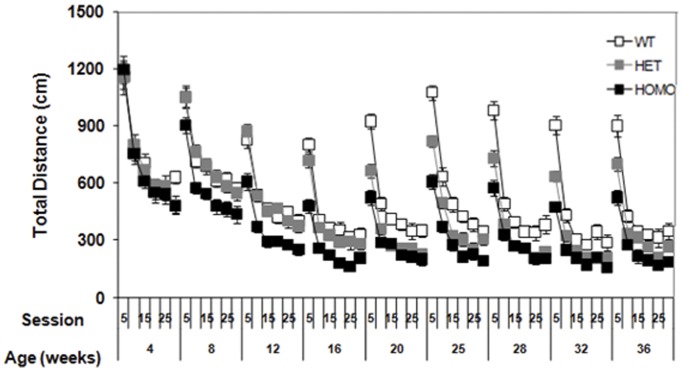
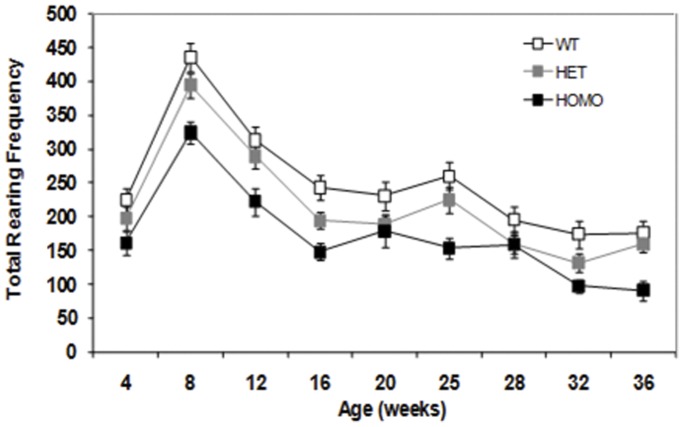
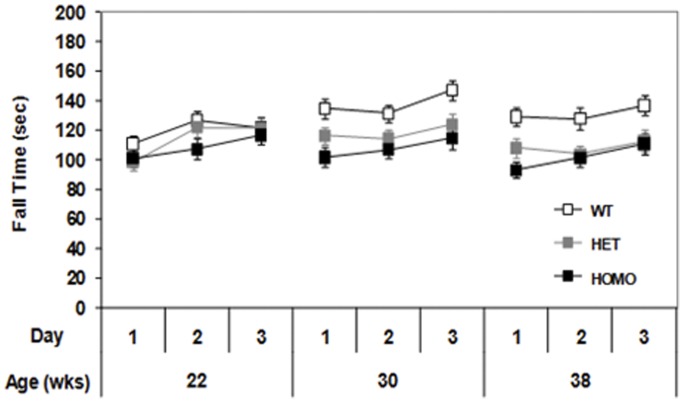
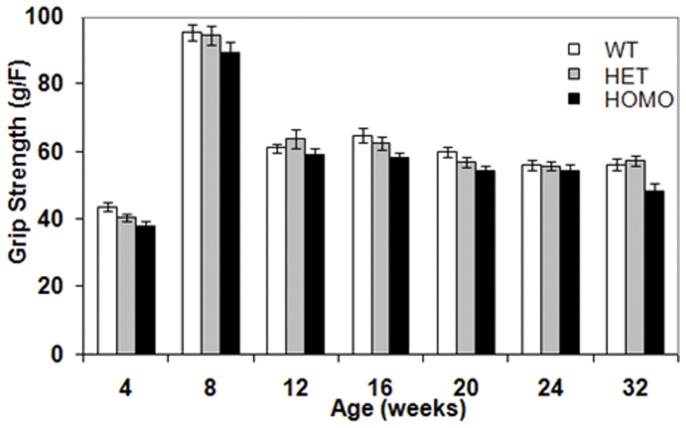
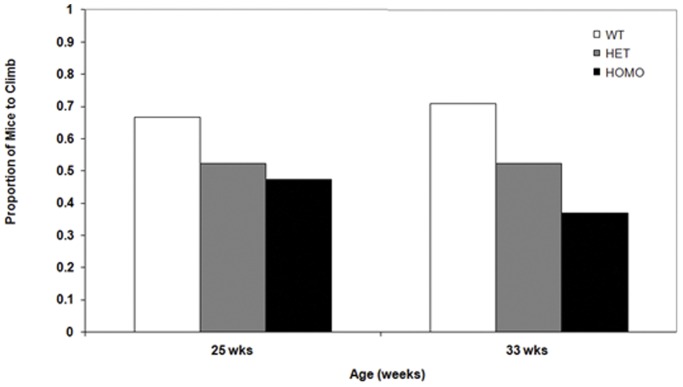
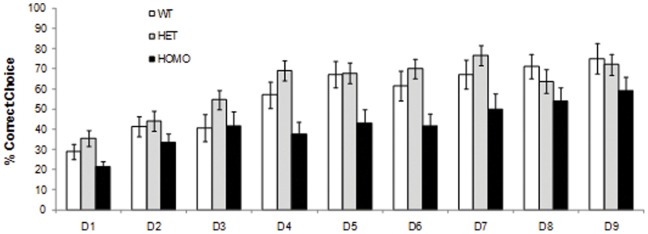
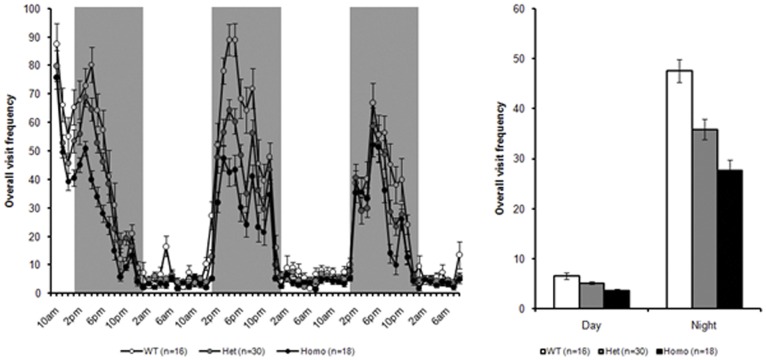
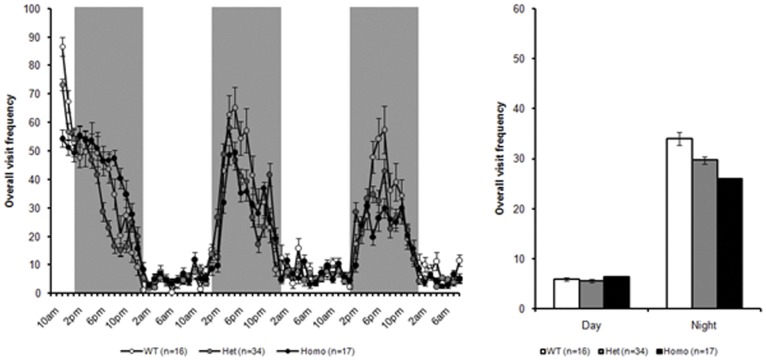
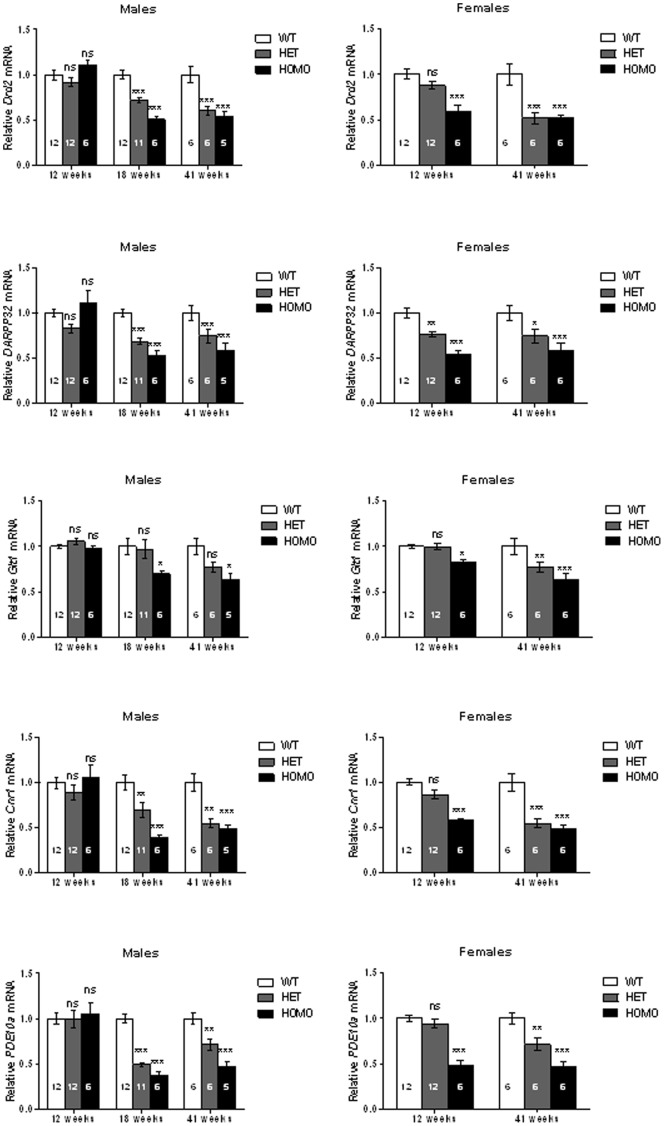
Huntington's disease (HD) is an autosomal dominant neurodegenerative disorder characterized by motor, cognitive and psychiatric manifestations. Since the mutation responsible for the disease was identified as an unstable expansion of CAG repeats in the gene encoding the huntingtin protein in 1993, numerous mouse models of HD have been generated to study disease pathogenesis and evaluate potential therapeutic approaches. Of these, knock-in models best mimic the human condition from a genetic perspective since they express the mutation in the appropriate genetic and protein context. Behaviorally, however, while some abnormal phenotypes have been detected in knock-in mouse models, a model with an earlier and more robust phenotype than the existing models is required. We describe here for the first time a new mouse line, the zQ175 knock-in mouse, derived from a spontaneous expansion of the CAG copy number in our CAG 140 knock-in colony [1]. Given the inverse relationship typically observed between age of HD onset and length of CAG repeat, since this new mouse line carries a significantly higher CAG repeat length it was expected to be more significantly impaired than the parent line. Using a battery of behavioral tests we evaluated both heterozygous and homozygous zQ175 mice. Homozygous mice showed motor and grip strength abnormalities with an early onset (8 and 4 weeks of age, respectively), which were followed by deficits in rotarod and climbing activity at 30 weeks of age and by cognitive deficits at around 1 year of age. Of particular interest for translational work, we also found clear behavioral deficits in heterozygous mice from around 4.5 months of age, especially in the dark phase of the diurnal cycle. Decreased body weight was observed in both heterozygotes and homozygotes, along with significantly reduced survival in the homozygotes. In addition, we detected an early and significant decrease of striatal gene markers from 12 weeks of age. These data suggest that the zQ175 knock-in line could be a suitable model for the evaluation of therapeutic approaches and early events in the pathogenesis of HD.
Conflict of interest statement
Figures
References
-
- Menalled LB, Sison JD, Dragatsis I, Zeitlin S, Chesselet MF (2003) Time course of early motor and neuropathological anomalies in a knock-in mouse model of Huntington’s disease with 140 CAG repeats. J Comp Neurol 465: 11–26. - PubMed
-
- Vonsattel JP, Myers RH, Stevens TJ, Ferrante RJ, Bird ED, et al. (1985) Neuropathological classification of Huntington’s disease. J Neuropathol Exp Neurol 44: 559–577. - PubMed
-
- The Huntington’s Disease Collaborative Research Group (1993) A novel gene containing a trinucleotide repeat that is expanded and unstable on Huntington’s disease chromosomes. The Huntington’s Disease Collaborative Research Group. Cell 72: 971–983. - PubMed
Publication types
MeSH terms
Substances
LinkOut - more resources
Full Text Sources
Other Literature Sources
Medical
Molecular Biology Databases
