


Peer victimization experienced by children and adolescents who are deaf or hard of hearing
- PMID: 23284923
- PMCID: PMC3526587
- DOI: 10.1371/journal.pone.0052174
Peer victimization experienced by children and adolescents who are deaf or hard of hearing
Abstract
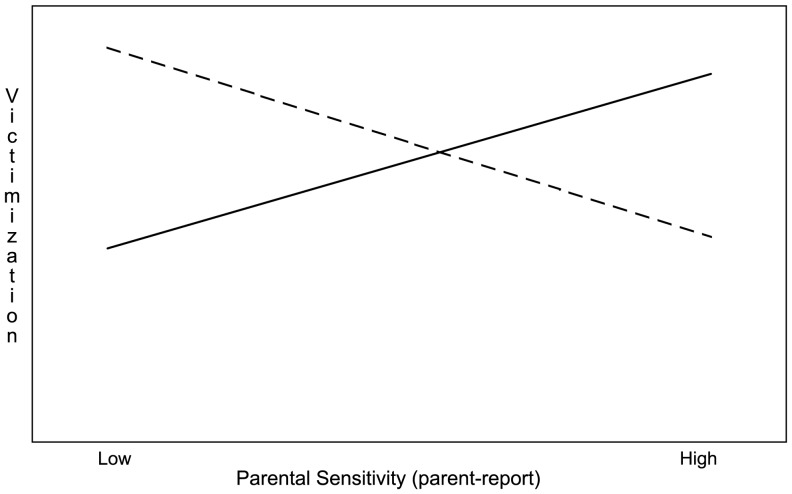
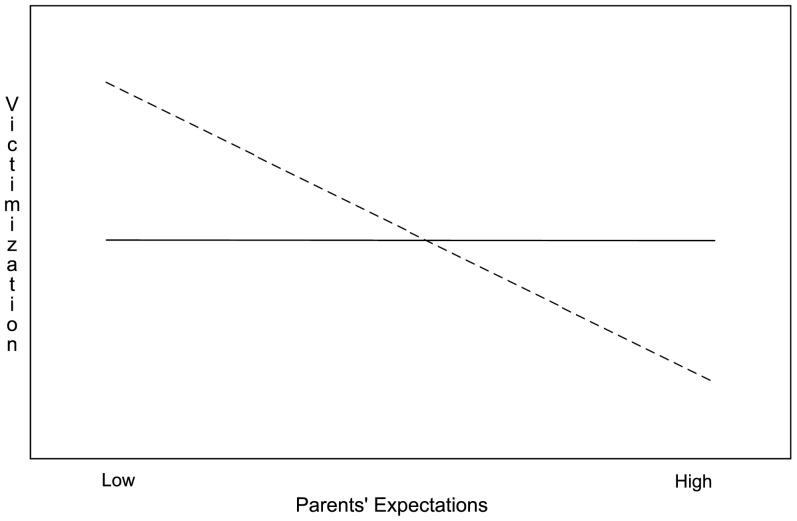
Victimization is a relatively common, yet serious problem, with potentially severe consequences for children's psychosocial and academic functioning. Children who are Deaf or Hard of Hearing (DHH) may be at a higher risk for victimization than hearing children. The aims of the present study were to compare DHH and hearing children on i) self-reported experiences of victimization and ii) associations between victimization, parental- and child variables. In total 188 children (mean age 11;11 years) from the Netherlands and Dutch-speaking part of Belgium participated in the study. No difference between DHH and hearing children were found on general experiences of victimization. However, differences between the groups were found on specific forms of experienced victimization and on the associations between victimization and parental variables. For DHH children, parental sensitivity and parents who challenge their DHH children to become competent in the practical, emotional, cognitive and social domain is associated with them being less victimized. For hearing children at this age these relations were reversed, absent or more complex. Finally, DHH children in special schools were more victimized than DHH children in regular schools. It can be concluded that parents can play an important role in reducing social problems experienced by DHH children and young adolescents.
Conflict of interest statement
Figures
References
-
- Tresh J (2004) In the face of force: Helping deaf children cope. Odyssey 5: 36–38.
-
- Boivin M, Hymel S, Bukowski WM (1995) The roles of social withdrawal, peer rejection, and victimization by peers in predicting loneliness and depressed mood in childhood. Dev Psychopathol 7: 765–785.
-
- Kouwenberg M, Rieffe C, Theunissen SCPM (2011) Intrapersonal and Interpersonal factors related to self-reported symptoms of depression in DHH youth. International Journal of Mental Health and Deafness 1: 46–57.
-
- Perry DG, Hodges EVE, Egan SK (2001) Determinants of chronic victimization by peers: A review and new model of family influence. In Juvonen J, Graham S, editors. Peer harassment in school: The plight of the vulnerable and victimized. New York: Guilford. pp. 73–104.
-
- Bagwell CL, Newcomb AF, Bukowski WM (1998) Preadolescent friendship and peer rejection as predictors of adult adjustment. Child Development 69: 140–153. - PubMed
Publication types
MeSH terms
LinkOut - more resources
Full Text Sources
Medical
