


Study of status of safe injection practice and knowledge regarding injection safety among primary health care workers in Baglung district, western Nepal
- PMID: 23286907
- PMCID: PMC3583689
- DOI: 10.1186/1472-698X-13-3
Study of status of safe injection practice and knowledge regarding injection safety among primary health care workers in Baglung district, western Nepal
Abstract
Background: Unsafe injection practices and injection overuse are widespread in developing countries harming the patient and inviting risks to the health care workers. In Nepal, there is a dearth of documented information about injection practices so the present study was carried out: a) to determine whether the selected government health facilities satisfy the conditions for safe injections in terms of staff training, availability of sterile injectable equipment and their proper disposal after use and b) to assess knowledge and attitudes of healthcare workers in these health care facilities with regard to injection safety.
Methodology: A descriptive cross-sectional mixed type (qualitative and quantitative) survey was carried out from 18th May to 16th June 2012. In-depth interviews with the in-charges were conducted using a semi-structured questionnaire. Observation of the health facilities using a structured observation tool was done. The data were analysed manually by summarizing, tabulating and presenting in various formats.
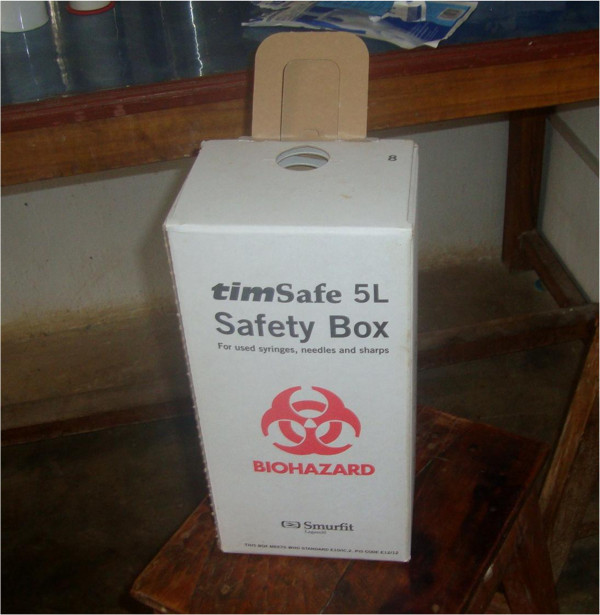
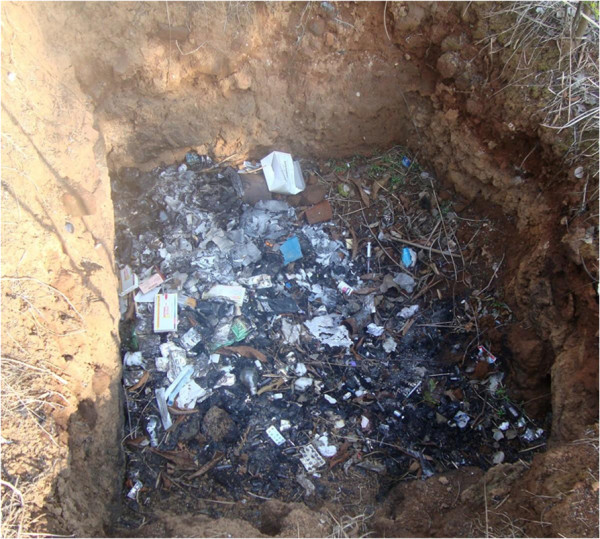
Results: The in-charges (eight males, two females) who participated in the study ranged in age from 30 to 50 years with a mean age of 37.8 years. Severe infection followed by pain was the most important cause for injection use with injection Gentamicin being most commonly prescribed. New single use (disposable) injections and auto-disable syringes were used to inject curative drugs and vaccines respectively. Sufficient safety boxes were also supplied to dispose the used syringe. All health care workers had received full course of Hepatitis B vaccine and were knowledgeable about at least one pathogen transmitted through unsafe injection practices. Injection safety management policy and waste disposal guideline was not available for viewing in any of the facilities. The office staff who disposed the bio-medical wastes did so without taking any safety measures. Moreover, none of these staff had received any formal training in waste management.
Conclusions: Certain safe injection practices were noticed in the studied health care facilities but there remain a number of grey areas where unsafe practices still persists placing patient and health workers at risk of associated hazards. Training concentrating on injection safety, guidelines to dispose biomedical waste and monitoring of the activity is needed.
Figures
References
-
- Reid S. Preliminary results of the WHO GBD from unsafe injections [abstract] Geneva: World Health Organization; 2010. http://who.int/injection_safety/sign/en/. In Report on Annual Meeting of the Safe Injection Global Network, 9-11 November 2010, Dubai, United Arab Emirates (Accessed 18 Dec. 2011)
-
- Riaz H, Kamal SW, Riaz T, Aziz S, Rajper J, Noorulain W. Methods of disposal of used syringes by hepatitis B and C patients at an urban and rural setting. J Pakistan Med Asso. 2012. http://jpma.org.pk/full_article_text.php?article_id=3241. - PubMed
-
- Jagger J. Caring for health care workers: a global perspective. Infect Control Hosp Epedemiol. 2007;28:1–4. doi: 10.1086/511655. - DOI
MeSH terms
Substances
LinkOut - more resources
Full Text Sources
Other Literature Sources
