


Relationships between antenatal and postnatal care and post-partum modern contraceptive use: evidence from population surveys in Kenya and Zambia
- PMID: 23289547
- PMCID: PMC3545900
- DOI: 10.1186/1472-6963-13-6
Relationships between antenatal and postnatal care and post-partum modern contraceptive use: evidence from population surveys in Kenya and Zambia
Abstract
Background: It is often assumed, with little supportive, empirical evidence, that women who use maternal health care are more likely than those who do not to use modern contraceptives. This study aims to add to the existing literature on associations between the use of antenatal (ANC) and post-natal care (PNC) and post-partum modern contraceptives.
Methods: Data come from the most recent Demographic and Health Surveys (DHS) in Kenya (2008-09) and Zambia (2007). Study samples include women who had a live birth within five years before the survey (3,667 in Kenya and 3,587 in Zambia). Multivariate proportional hazard models were used to examine the associations between the intensity of ANC and PNC service use and a woman's adoption of modern contraceptives after a recent live birth.
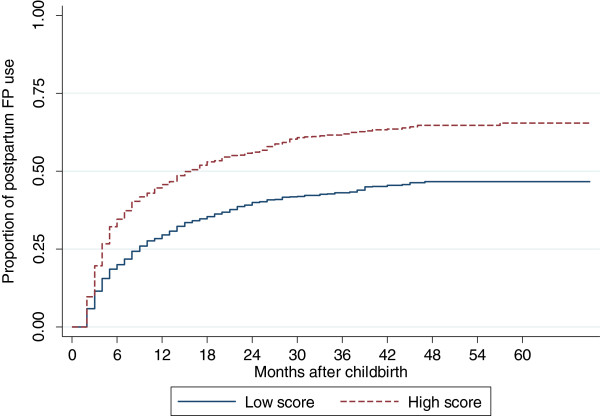
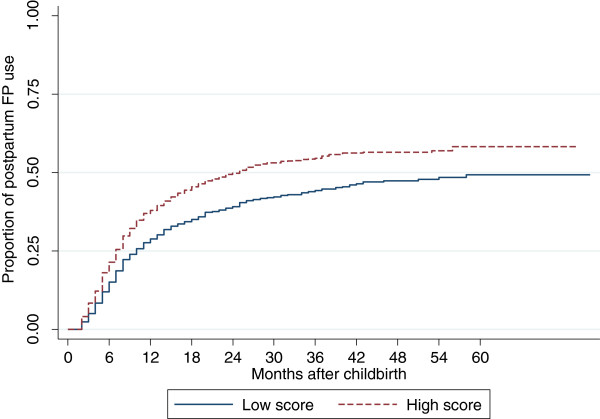
Results: Tests of exogeneity confirmed that the intensity of ANC and PNC service use and post-partum modern contraceptive practice were not influenced by common unobserved factors. Cox proportional hazard models showed significant associations between the service intensity of ANC and PNC and post-partum modern contraceptive use in both countries. This relationship is largely due to ANC services; no significant associations were observed between PNC service intensity and post-partum FP practice.
Conclusions: While the lack of associations between PNC and post-partum FP use may be due to the limited measure of PNC service intensity, the study highlights a window of opportunity to promote the use of modern contraceptives after childbirth through ANC service delivery. Depending on the availability of data, further research should take into account community- and facility-level factors that may influence modern contraceptive use in examining associations between ANC and PNC use and post-partum FP practice.
Figures
References
-
- Cicely W, Baumslag N, Jelliffe D. Mother and Child Health: Delivering Services. New York: Oxford University Press; 1994.
-
- Hotchkiss DR, Rous JJ, Seiber EE, Berruti AA. Is maternal and child health service use a causal gateway to subsequent contraceptive use?: A multi-country study. Popul Res Policy Rev. 2005;24(6):543–571. doi: 10.1007/s11113-005-4852-0. - DOI
Publication types
MeSH terms
LinkOut - more resources
Full Text Sources
Other Literature Sources
Medical
