


Working memory, age, and hearing loss: susceptibility to hearing aid distortion
- PMID: 23291963
- PMCID: PMC3636195
- DOI: 10.1097/AUD.0b013e318271aa5e
Working memory, age, and hearing loss: susceptibility to hearing aid distortion
Abstract
Objectives: Hearing aids use complex processing intended to improve speech recognition. Although many listeners benefit from such processing, it can also introduce distortion that offsets or cancels intended benefits for some individuals. The purpose of the present study was to determine the effects of cognitive ability (working memory) on individual listeners' responses to distortion caused by frequency compression applied to noisy speech.
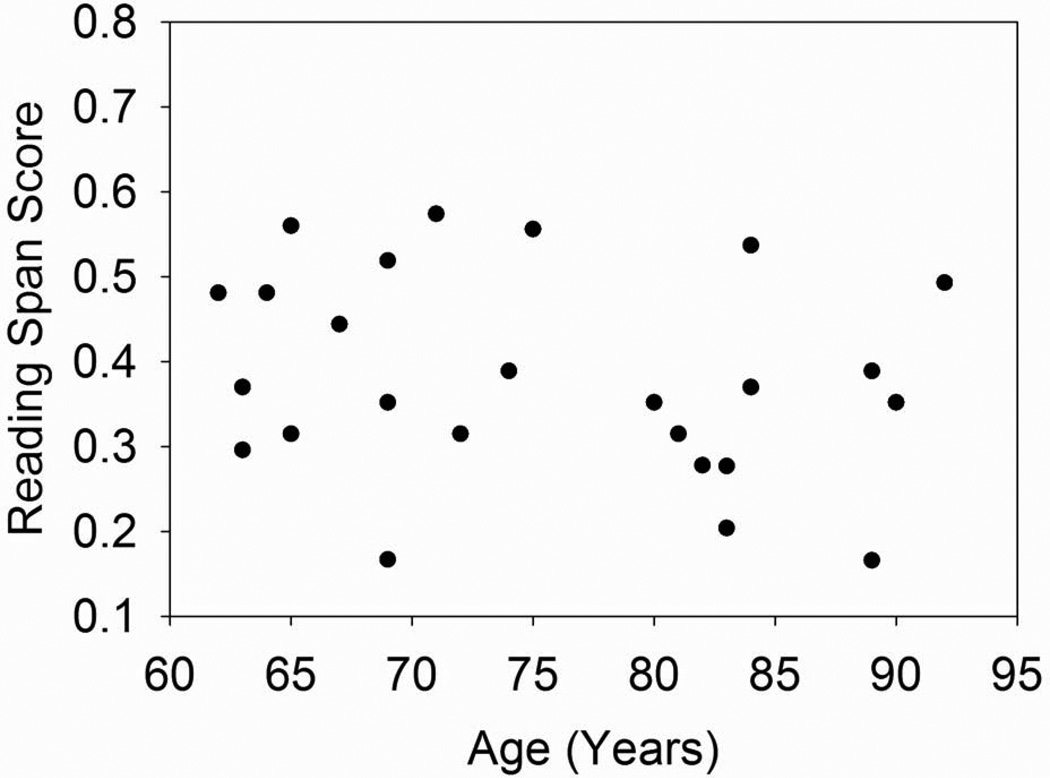
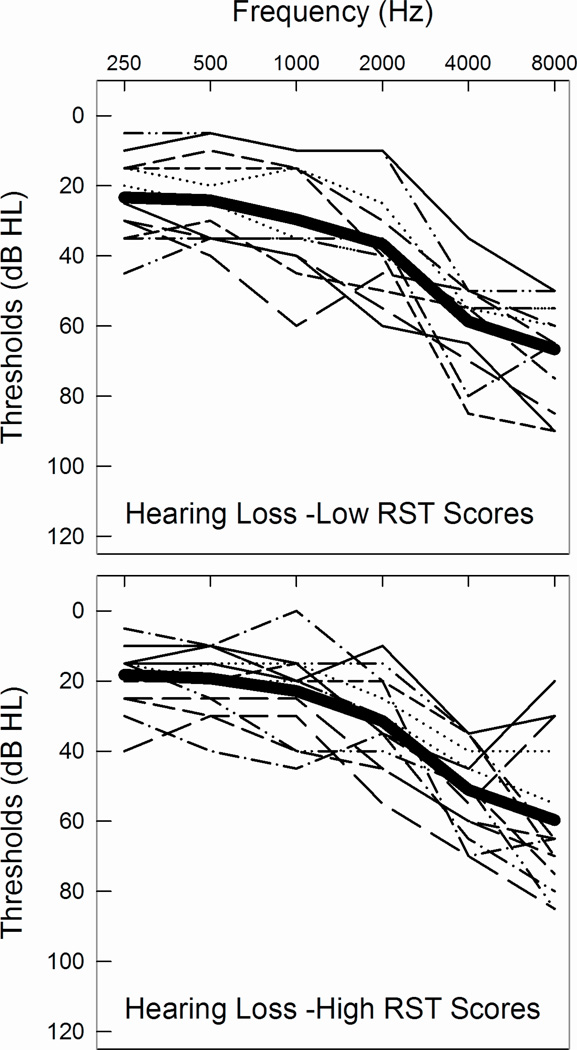
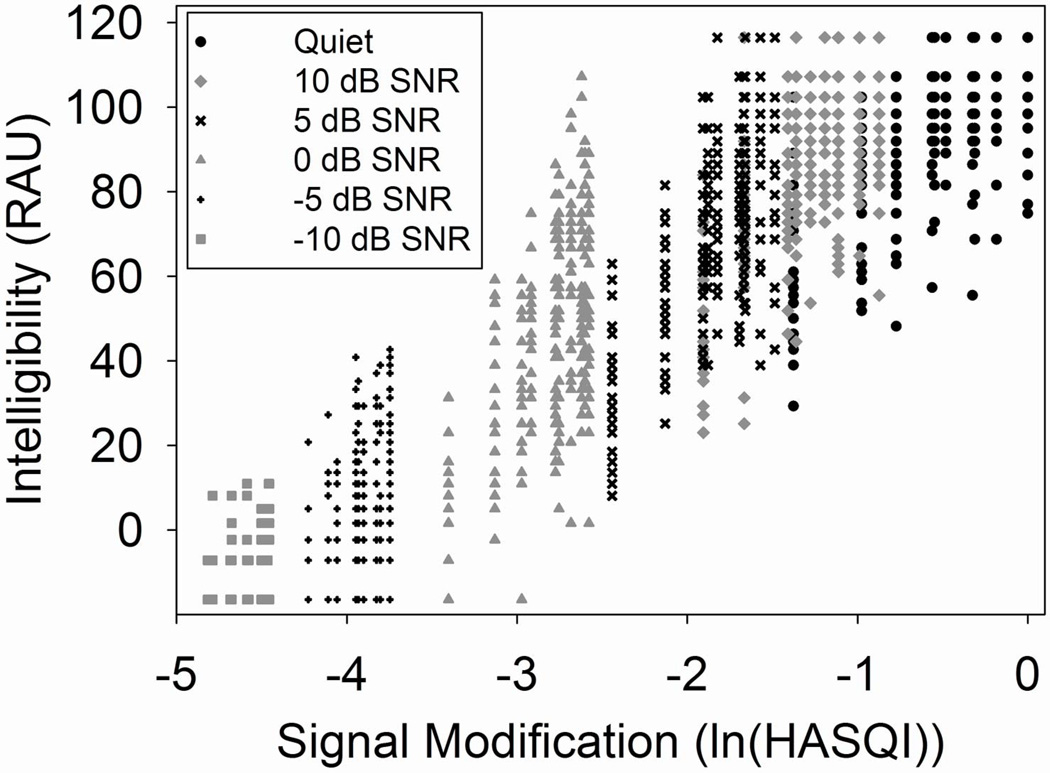
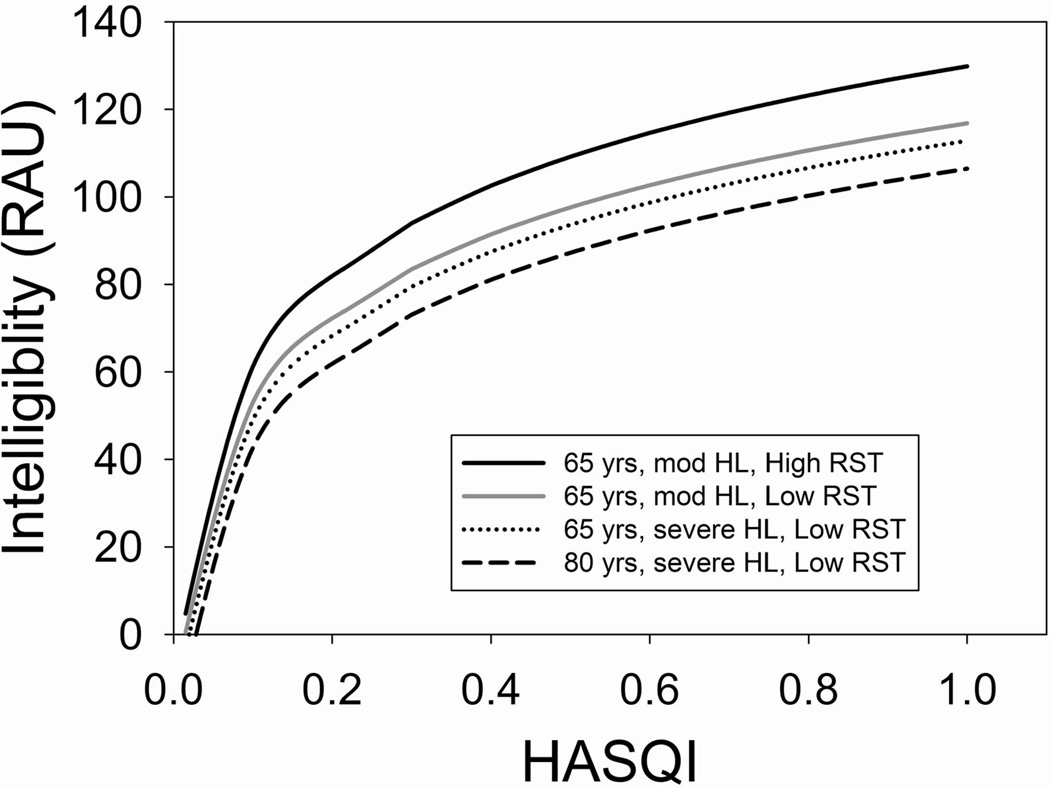
Design: The present study analyzed a large data set of intelligibility scores for frequency-compressed speech presented in quiet and at a range of signal-to-babble ratios. The intelligibility data set was based on scores from 26 adults with hearing loss with ages ranging from 62 to 92 years. The listeners were grouped based on working memory ability. The amount of signal modification (distortion) caused by frequency compression and noise was measured using a sound quality metric. Analysis of variance and hierarchical linear modeling were used to identify meaningful differences between subject groups as a function of signal distortion caused by frequency compression and noise.
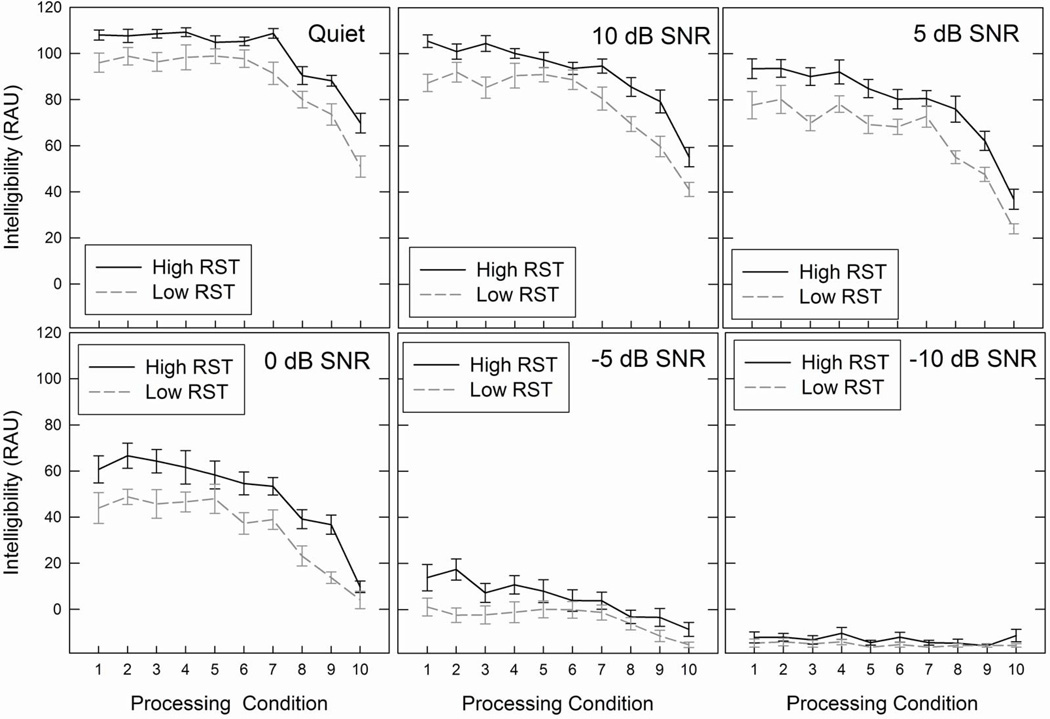
Results: Working memory was a significant factor in listeners' intelligibility of sentences presented in babble noise and processed with frequency compression based on sinusoidal modeling. At maximum signal modification (caused by both frequency compression and babble noise), the factor of working memory (when controlling for age and hearing loss) accounted for 29.3% of the variance in intelligibility scores. Combining working memory, age, and hearing loss accounted for a total of 47.5% of the variability in intelligibility scores. Furthermore, as the total amount of signal distortion increased, listeners with higher working memory performed better on the intelligibility task than listeners with lower working memory did.
Conclusions: Working memory is a significant factor in listeners' responses to total signal distortion caused by cumulative effects of babble noise and frequency compression implemented with sinusoidal modeling. These results, together with other studies focused on wide-dynamic range compression, suggest that older listeners with hearing loss and poor working memory are more susceptible to distortions caused by at least some types of hearing aid signal-processing algorithms and by noise, and that this increased susceptibility should be considered in the hearing aid fitting process.
Figures
References
-
- Aguilera Muñoz CM, Nelson PB, Rutledge JC, et al. Frequency lowering processing for listeners with significant hearing loss. Paper presented at the International Conference on Electronics, Circuits and Systems; Pafos, Cypress.1999.
-
- Akeroyd M. Are individual differences in speech reception related to individual differences in cognitive ability? A survey of twenty experimental studies with normal and hearing-impaired adults. Int J Audiol. 2008;47:S53–S71. - PubMed
-
- Arehart KH, Kates JM, Anderson MC. Effects of noise, nonlinear processing, and linear filtering on perceived speech quality. Ear Hear. 2010;31:420–436. - PubMed
-
- Beerends JG, Hekstra AP, Rix AW, et al. Perceptual Evaluation of Speech Quality (PESQ) the new ITU standard for end-to-end speech quality assessment: Part II - Psychoacoustic model. J Audio Eng Soc. 2002;50:765–778.
-
- Bopp K, Verhaeghen P. Aging and verbal memory span: A meta-analysis. J Gerontology Psychol Sci. 2005;60:223–233. - PubMed
Publication types
MeSH terms
Grants and funding
LinkOut - more resources
Full Text Sources
Other Literature Sources
Medical
