


Inhibition of Akt/mTOR signaling by the dietary flavonoid fisetin
- PMID: 23293889
- PMCID: PMC3985520
- DOI: 10.2174/18715206113139990129
Inhibition of Akt/mTOR signaling by the dietary flavonoid fisetin
Abstract
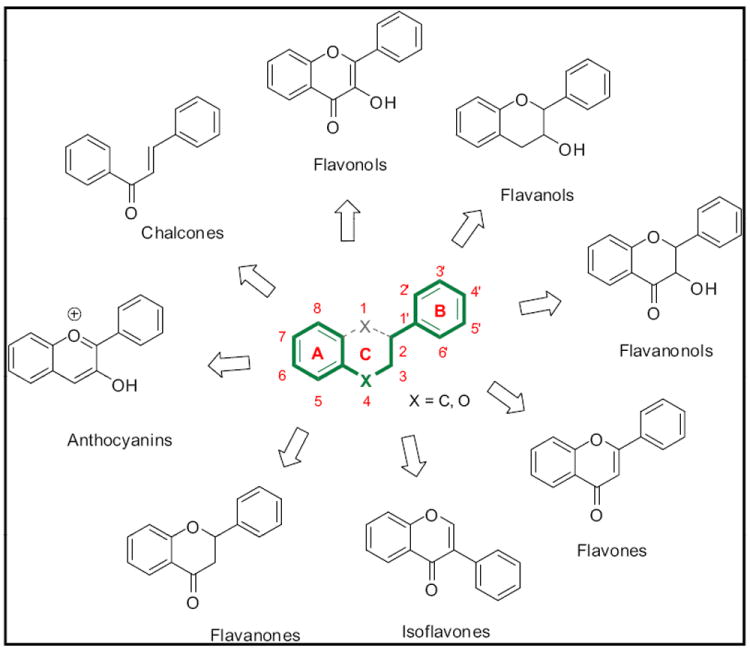
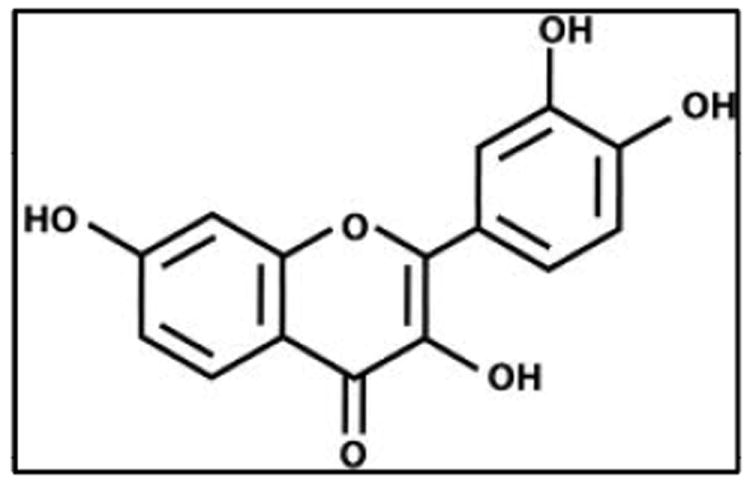
Plants have long been providing mankind with remedies of different ailments. Flavonoids, a family of naturally occurring polyphenolic compounds are ubiquitous in plants. Development of polyphenol-based drugs has not attracted much attention by researchers and drug companies. Therefore, despite extensive studies on polyphenols, this vast group of compounds is underrepresented in clinical medicine. Fisetin (3,7,3',4'-tetrahydroxyflavone) belongs to the flavonol subgroup of flavonoids together with quercetin, myricetin and kaempferol and is found in several fruits and vegetables including strawberries, apples, persimmons and onions. Fisetin is showing promise as a useful natural agent against cancer and has been evaluated for its potential inhibitory role against cancer in several in vitro and in vivo studies. The Akt/mTOR pathway is known to play a central role in various cellular processes that contribute to the malignant phenotype. Accordingly, inhibition of this signaling cascade has been a focus of recent therapeutic studies. Novel inhibitors of PI3-K, Akt, and mTOR are now passing through early phase clinical trials. Herein, we review the effect of fisetin on the PI3- K/Akt/mTOR pathway as studied in different cancer cell models.
Conflict of interest statement
The authors confirm that this article content has no conflict of interest.
Figures
References
-
- Syed DN, Afaq F, Mukhtar H. Pomegranate derived products for cancer chemoprevention. Semin Cancer Biol. 2007;17(5):377–385. - PubMed
-
- Marino P, Bertucci F, Goncalves A, Seror V. Health care expenditures linked to the use of targeted therapies and diagnostic tests for cancer patients. Med Sci (Paris) 2012;28(Spec No 1):19–23. - PubMed
-
- Kundu JK, Surh YJ. Breaking the relay in deregulated cellular signal transduction as a rationale for chemoprevention with anti-inflammatory phytochemicals. Mutat Res. 2005;591(1-2):123–146. - PubMed
-
- Moon YJ, Wang X, Morris ME. Dietary flavonoids: effects on xenobiotic and carcinogen metabolism. Toxicol In Vitro. 2006;20(2):187–210. - PubMed
-
- Hodek P, Trefil P, Stiborova M. Flavonoids-potent and versatile biologically active compounds interacting with cytochromes P450. Chem Biol Interact. 2002;139(1):1–21. - PubMed
Publication types
MeSH terms
Substances
Grants and funding
LinkOut - more resources
Full Text Sources
Other Literature Sources
Miscellaneous
