Intervention to enhance communication about newly prescribed medications
- PMID: 23319503
- PMCID: PMC3596029
- DOI: 10.1370/afm.1417
Intervention to enhance communication about newly prescribed medications
Abstract
Purpose: Physicians prescribing new medications often do not convey important medication-related information. This study tests an intervention to improve physician-patient communication about newly prescribed medications.
Methods: We conducted a controlled clinical trial of patients in 3 primary care practices, combining data from patient surveys with audio-recorded physician-patient interactions. The intervention consisted of a 1-hour physician-targeted interactive educational session encouraging communication about 5 basic elements regarding a new prescription and a patient information handout listing the 5 basic elements. Main outcome measures were the Medication Communication Index (MCI), a 5-point index assessed by qualitative analysis of audio-recorded interactions (giving points for discussion of medication name, purpose, directions for use, duration of use, and side effects), and patient ratings of physician communication about new prescriptions.
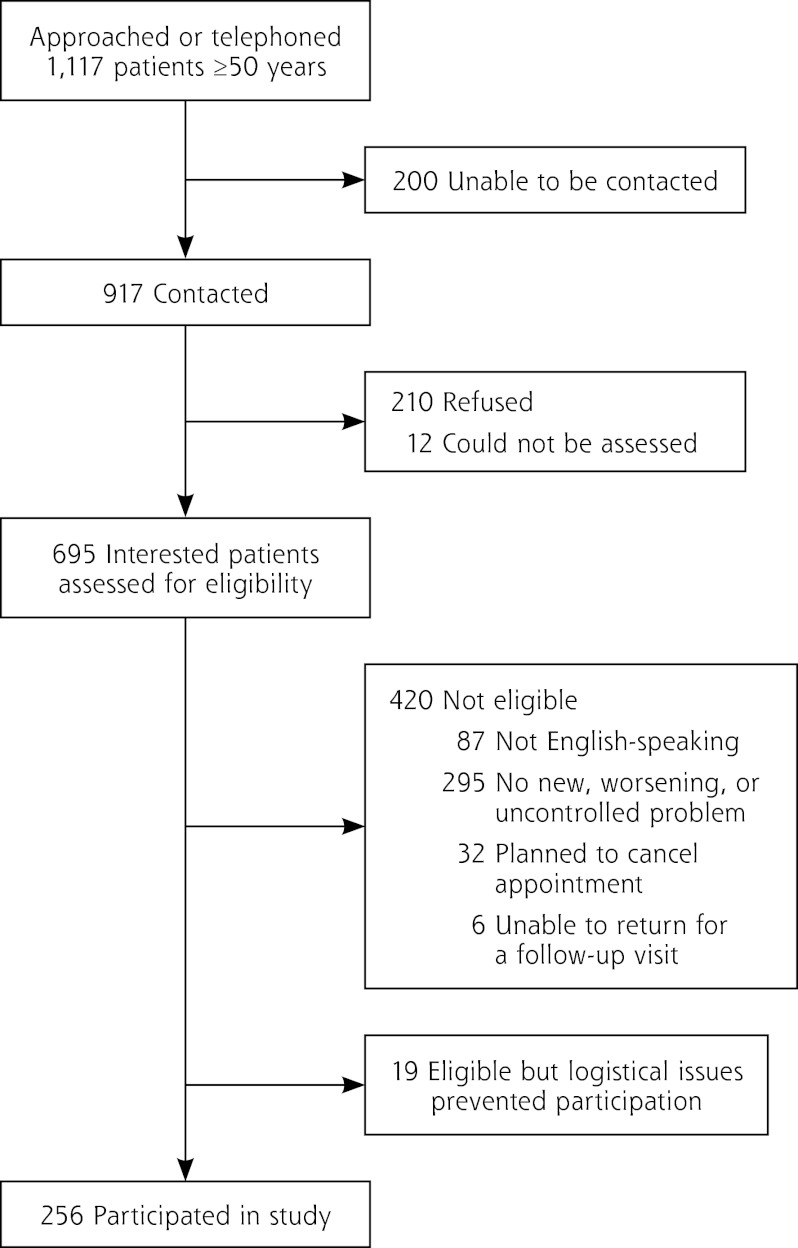
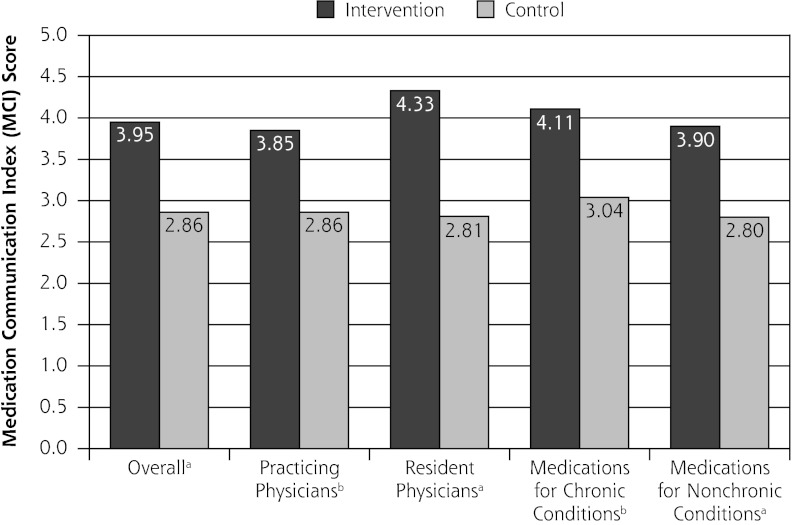
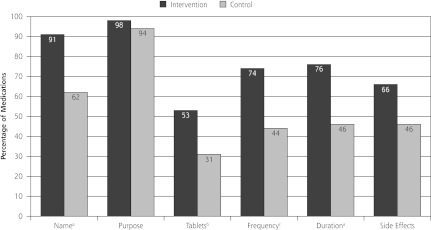
Results: Twenty-seven physicians prescribed 113 new medications to 82 of 256 patients. The mean MCI for medications prescribed by physicians in the intervention group was 3.95 (SD = 1.02), significantly higher than that for medications prescribed by control group physicians (2.86, SD = 1.23, P <.001). This effect held regardless of medication type (chronic vs nonchronic medication). Counseling about 3 of the 5 MCI components was significantly higher for medications prescribed by physicians in the intervention group, as were patients' ratings of new medication information transfer (P = .02). Independent of intervention or control groups, higher MCI scores were associated with better patient ratings about information about new prescriptions (P = .003).
Conclusions: A physician-targeted educational session improved the content of and enhanced patient ratings of physician communication about new medication prescriptions. Further work is required to assess whether improved communication stimulated by the intervention translates into better clinical outcomes.
Figures
References
-
- Tarn DM, Heritage J, Paterniti DA, Hays RD, Kravitz RL, Wenger NS. Physician communication when prescribing new medications. Arch Intern Med. 2006;166(17):1855–1862 - PubMed
-
- Shrank WH, Polinski JM, Avorn J. Quality indicators for medication use in vulnerable elders. J Am Geriatr Soc. 2007;55(Suppl 2): S373–S382 - PubMed
-
- Knight EL, Avorn J. Quality indicators for appropriate medication use in vulnerable elders. Ann Intern Med. 2001;135(8 Pt 2):703–710 - PubMed
-
- Murray MD, Morrow DG, Weiner M, et al. A conceptual framework to study medication adherence in older adults. Am J Geriatr Pharmacother. 2004;2(1):36–43 - PubMed
-
- Falvo D, Woehlke P, Deichmann J. Relationship of physician behavior to patient compliance. Patient Couns Health Educ. 1980;2(4):185–188 - PubMed
Publication types
MeSH terms
Grants and funding
LinkOut - more resources
Full Text Sources
Other Literature Sources
Medical