


Fisetin inhibits hyperglycemia-induced proinflammatory cytokine production by epigenetic mechanisms
- PMID: 23320034
- PMCID: PMC3539716
- DOI: 10.1155/2012/639469
Fisetin inhibits hyperglycemia-induced proinflammatory cytokine production by epigenetic mechanisms
Abstract
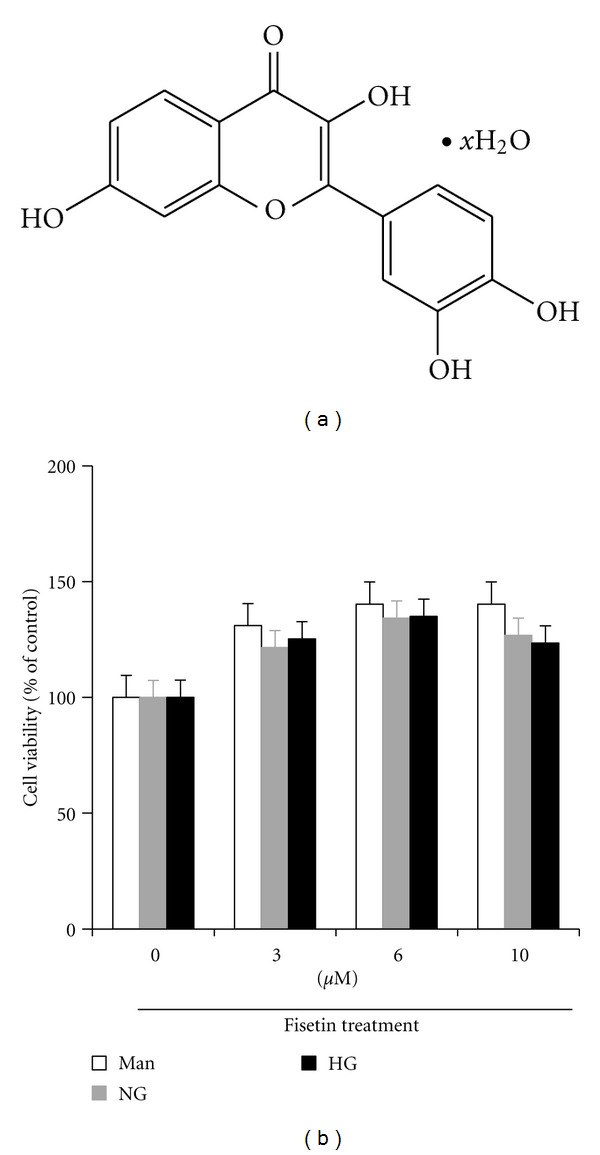
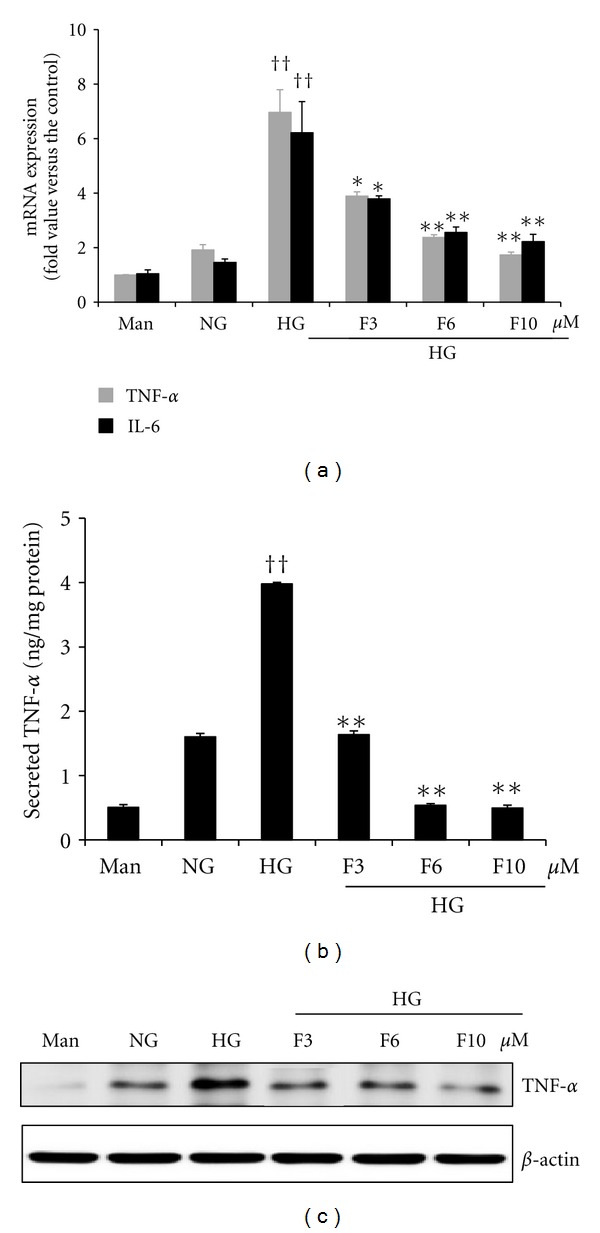
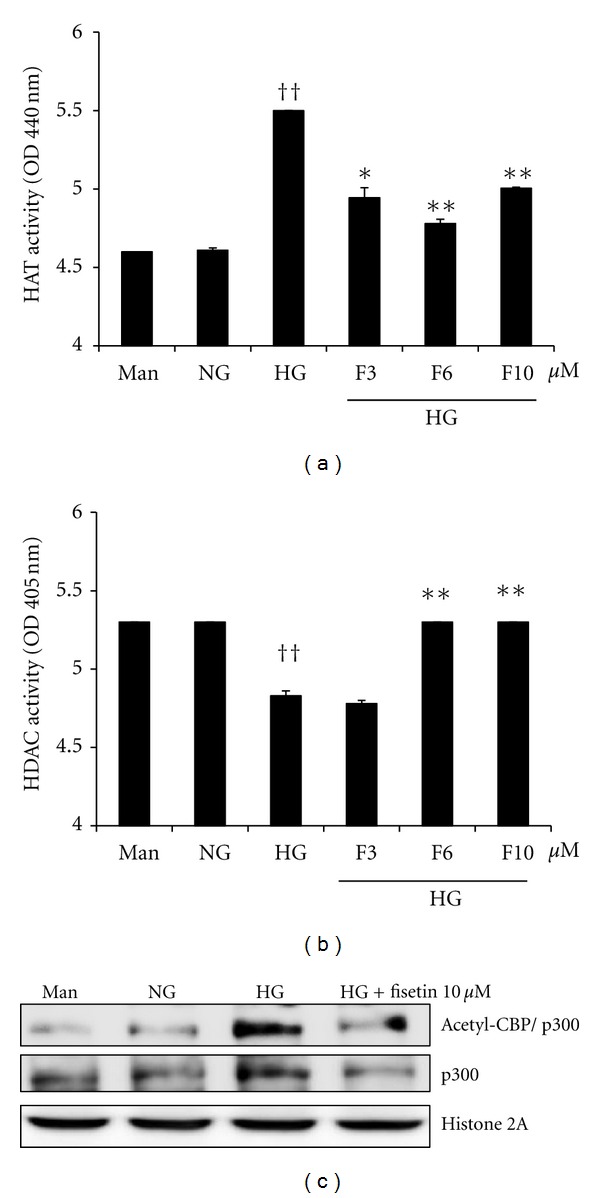
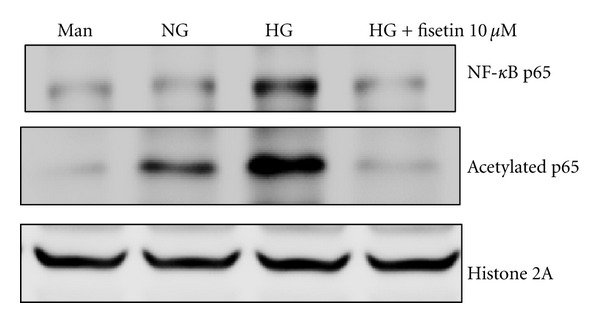
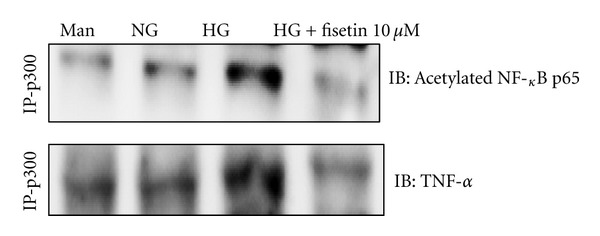
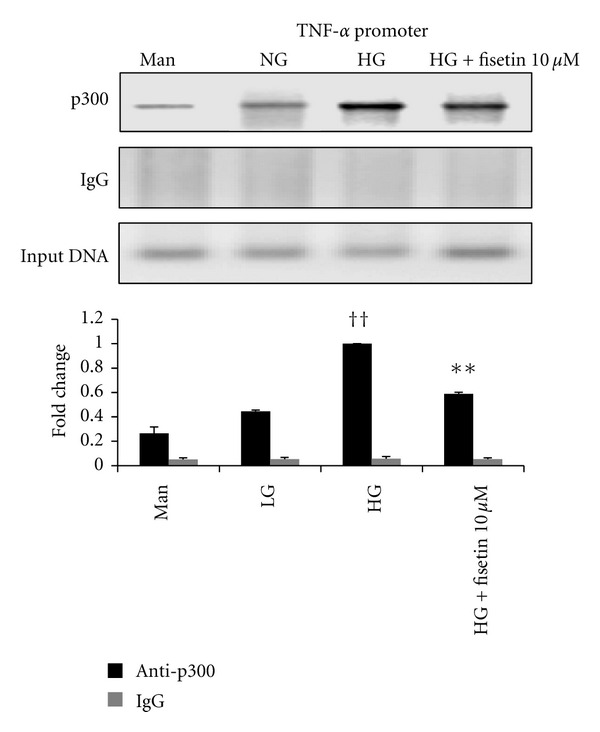
Diabetes is characterized by a proinflammatory state, and several inflammatory processes have been associated with both type 1 and type 2 diabetes and the resulting complications. High glucose levels induce the release of proinflammatory cytokines. Fisetin, a flavonoid dietary ingredient found in the smoke tree (Cotinus coggygria), and is also widely distributed in fruits and vegetables. Fisetin is known to exert anti-inflammatory effects via inhibition of the NF-κB signaling pathway. In this study, we analyzed the effects of fisetin on proinflammatory cytokine secretion and epigenetic regulation, in human monocytes cultured under hyperglycemic conditions. Human monocytic (THP-1) cells were cultured under control (14.5 mmol/L mannitol), normoglycemic (NG, 5.5 mmol/L glucose), or hyperglycemic (HG, 20 mmol/L glucose) conditions, in the absence or presence of fisetin. Fisetin was added (3-10 μM) for 48 h. While the HG condition significantly induced histone acetylation, NF-κB activation, and proinflammatory cytokine (IL-6 and TNF-α) release from THP-1 cells, fisetin suppressed NF-κB activity and cytokine release. Fisetin treatment also significantly reduced CBP/p300 gene expression, as well as the levels of acetylation and HAT activity of the CBP/p300 protein, which is a known NF-κB coactivator. These results suggest that fisetin inhibits HG-induced cytokine production in monocytes, through epigenetic changes involving NF-κB. We therefore propose that fisetin supplementation be considered for diabetes prevention.
Figures
References
-
- Dokken BB. The pathophysiology of cardiovascular disease and diabetes: beyond blood pressure and lipids. Diabetes Spectrum. 2008;21(3):160–165.
-
- Pugliese G, Tilton RG, Williamson JR. Glucose-induced metabolic imbalances in the pathogenesis of diabetic vascular disease. Diabetes/Metabolism Reviews. 1991;7(1):35–59. - PubMed
-
- Ruderman N, Williamson JR, Brownlee M. Glucose and diabetic vascular disease. The FASEB Journal. 1992;6:2905–2914. - PubMed
-
- Baynes JW. Role of oxidative stress in development of complications in diabetes. Diabetes. 1991;40(4):405–412. - PubMed
-
- Devaraj S, Glaser N, Griffen S, Wang-Polagruto J, Miguelino E, Jialal I. Increased monocytic activity and biomarkers of inflammation in patients with type 1 diabetes. Diabetes. 2006;55(3):774–779. - PubMed
LinkOut - more resources
Full Text Sources
Miscellaneous
